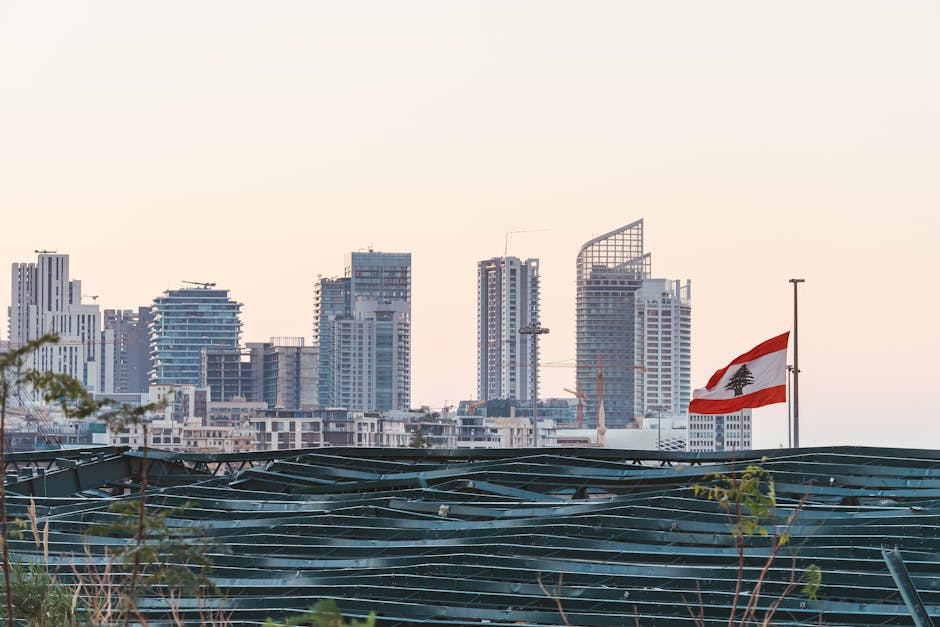
- Thousands of Lebanese citizens are returning to their homes in South Lebanon following a cease-fire between Lebanon and Israel.
- The desire to regain a sense of normalcy is overwhelming for many displaced individuals, despite the risks and challenges ahead.
- The cease-fire offers a glimmer of hope for a more permanent resolution to the conflict, but its sustainability remains uncertain.
- The humanitarian crisis in Lebanon is dire, with thousands of people displaced and in need of aid.
- The international community has been calling for a cease-fire and a negotiated settlement, but a lasting peace has proven elusive.
As the cease-fire between Lebanon and Israel holds, thousands of Lebanese citizens who were displaced by the fighting are now rushing back to their homes in the south. The roads are filled with cars, trucks, and buses, all stuck in standstill traffic, as people express a mix of excitement and uncertainty about the pause in Israel’s campaign against Hezbollah. For many, the desire to return home and regain a sense of normalcy is overwhelming, despite the risks and challenges that lie ahead. The question on everyone’s mind is whether this cease-fire will hold and what the future holds for this war-torn region.
Background to the Conflict

The conflict between Lebanon and Israel has been ongoing for years, with periodic outbreaks of violence and skirmishes along the border. The latest escalation has resulted in significant damage to infrastructure, displacement of civilians, and a humanitarian crisis. The international community has been calling for a cease-fire and a negotiated settlement, but a lasting peace has proven elusive. The current pause in hostilities offers a glimmer of hope, but it is unclear whether it will lead to a more permanent resolution. As the situation remains fragile, the world watches with bated breath, hoping that the cease-fire will hold and that a path to peace can be found.
The Humanitarian Crisis Unfolds

The humanitarian crisis in Lebanon is dire, with thousands of people displaced and in need of aid. The conflict has destroyed homes, schools, and hospitals, leaving many without access to basic necessities like food, water, and shelter. The cease-fire has allowed for some humanitarian aid to reach the affected areas, but much more is needed to address the scale of the crisis. The international community is responding, but the challenge is enormous, and it will take time, effort, and resources to rebuild and restore the damaged communities. As the people of Lebanon struggle to come to terms with the devastation, they are also seeking to rebuild and recover, and the cease-fire offers a small window of opportunity for this to happen.
Analysis of the Cease-Fire
The cease-fire is a welcome development, but it is unclear what prompted it and how long it will last. Both sides have agreed to the pause in hostilities, but there are still significant differences between them, and it is uncertain whether a negotiated settlement can be reached. The international community is urging both sides to use this opportunity to engage in talks and find a lasting solution, but the path ahead is fraught with challenges. The analysis suggests that the cease-fire is a tactical move, aimed at reducing the humanitarian crisis and creating space for negotiations. However, the underlying issues that led to the conflict remain unresolved, and it will take significant effort and compromise from both sides to find a lasting peace.
Implications of the Cease-Fire
The cease-fire has significant implications for the people of Lebanon, who are eager to return to their homes and rebuild their lives. It also has implications for the regional security situation, as a lasting peace in Lebanon could have a positive impact on the entire region. However, the cease-fire is fragile, and there are many risks and challenges that could derail it. The international community must remain vigilant and continue to support the peace process, to ensure that the cease-fire holds and that a lasting solution is found. As the people of Lebanon look to the future, they are filled with a mix of hope and uncertainty, knowing that the road ahead will be long and difficult, but also that there is a glimmer of hope for a better tomorrow.
Expert Perspectives
Experts are divided on the implications of the cease-fire, with some seeing it as a positive development and others warning that it is a temporary reprieve. Some argue that the cease-fire provides an opportunity for negotiations and a lasting solution, while others believe that the underlying issues remain unresolved and that the conflict will resume. As one expert noted, “the cease-fire is a welcome development, but it is only the first step towards a lasting peace. The real challenge lies ahead, in finding a negotiated settlement that addresses the underlying issues and provides a sustainable solution.” Another expert warned that “the cease-fire is fragile and could be derailed at any moment. The international community must remain vigilant and continue to support the peace process, to ensure that the cease-fire holds and that a lasting solution is found.”
As the situation in Lebanon continues to evolve, the world watches with interest, wondering what the future holds for this war-torn region. Will the cease-fire hold, and will a lasting peace be found? Only time will tell, but one thing is certain – the people of Lebanon are eager to rebuild and recover, and the international community must support them in this effort. The question on everyone’s mind is what will happen next, and how the situation will unfold in the coming days and weeks. As the cease-fire holds, the world waits with bated breath, hoping that a lasting peace will be found and that the people of Lebanon can finally find the stability and security they so desperately need.