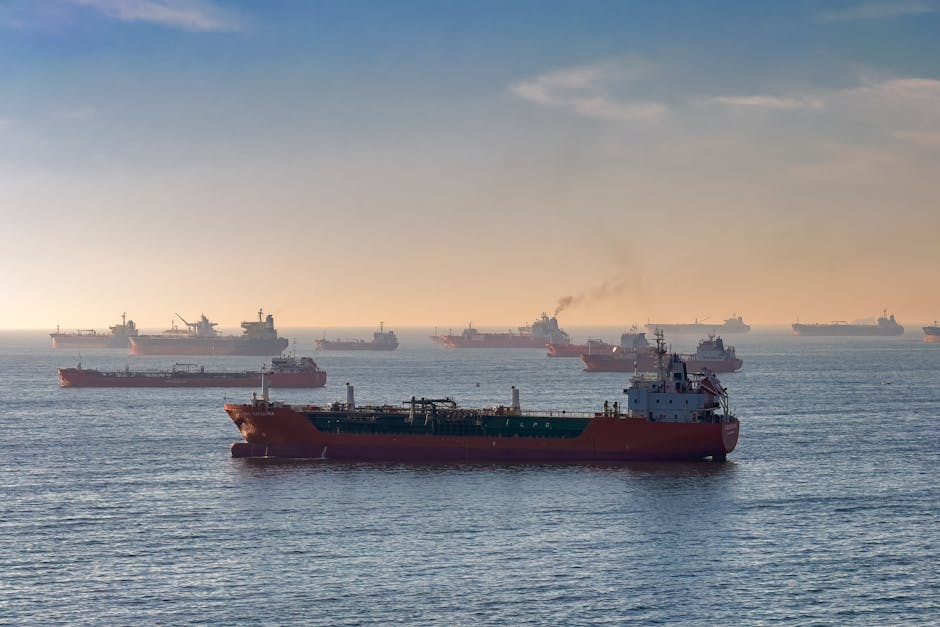
- The Strait of Hormuz is a critical shipping lane with nearly 20% of the world’s oil passing through it.
- The US-Iran dispute over the strait has led to a surge in oil prices and threatens global trade and energy markets.
- Iran’s nuclear program and support for militant groups have contributed to escalating tensions with the US.
- The US has imposed strict sanctions on Iran, which have devastated the country’s economy.
- Regional actors, including Saudi Arabia and the UAE, have their own interests in the Strait of Hormuz.
The Strait of Hormuz, a vital shipping lane that connects the Persian Gulf to the Arabian Sea, has been at the center of a heated dispute between the US and Iran. Despite Iran’s claims that the strait is open to shipping, the US has maintained that its blockade remains in place, sparking concerns about the potential impact on global trade and energy markets. With nearly 20% of the world’s oil passing through the strait, the ongoing tensions have significant implications for the global economy. The US-Iran dispute has already led to a surge in oil prices, with some analysts predicting further increases if the situation escalates.
Background on the Dispute

The current dispute over the Strait of Hormuz is a culmination of months of escalating tensions between the US and Iran. The two countries have been at odds over a range of issues, including Iran’s nuclear program and its support for militant groups in the region. The US has imposed strict sanctions on Iran, which have had a devastating impact on the country’s economy. In response, Iran has threatened to disrupt oil supplies and close the Strait of Hormuz, which would have a catastrophic impact on global energy markets. The situation has been further complicated by the presence of other regional actors, including Saudi Arabia and the UAE, which have their own interests in the region.
Key Details of the Dispute

According to reports, Iran’s declaration that the Strait of Hormuz is open to shipping has been met with skepticism by the US and its allies. The US has maintained that its blockade remains in place, and that any attempts by Iran to disrupt shipping in the region will be met with force. The situation has been further complicated by the presence of Iranian naval vessels in the region, which have been accused of harassing US and allied ships. The US has responded by deploying additional naval assets to the region, including an aircraft carrier and a fleet of destroyers. The standoff has significant implications for global trade, with some analysts predicting that a closure of the strait could lead to a surge in oil prices and a decline in global economic growth.
Analysis of the Situation
Analysts say that the dispute over the Strait of Hormuz is a classic example of a game of chicken, with both sides refusing to back down. The US is determined to maintain its blockade and prevent Iran from disrupting oil supplies, while Iran is determined to assert its sovereignty and protect its interests in the region. The situation has been further complicated by the presence of other regional actors, including China and Russia, which have their own interests in the region. Some analysts have predicted that the situation could escalate into a full-blown conflict, with significant implications for global energy markets and the global economy. Others have argued that the dispute is a symptom of a larger problem, namely the lack of a clear and coherent US strategy for the region.
Implications of the Dispute
The implications of the dispute over the Strait of Hormuz are far-reaching and significant. A closure of the strait could lead to a surge in oil prices, which would have a devastating impact on global energy markets and the global economy. The situation could also lead to a decline in global trade, as shipping companies and oil producers are forced to reroute their supplies. The dispute has already led to a surge in insurance premiums for ships passing through the region, which could have a significant impact on the cost of goods and services. Furthermore, the situation has significant implications for the global balance of power, with some analysts arguing that a US-Iran conflict could lead to a shift in the global balance of power.
Expert Perspectives
Experts are divided on the implications of the dispute over the Strait of Hormuz. Some have argued that the situation is a classic example of a game of chicken, with both sides refusing to back down. Others have argued that the dispute is a symptom of a larger problem, namely the lack of a clear and coherent US strategy for the region. According to Dr. Sanam Vakil, a leading expert on Iran and the Middle East, the situation is a complex and multifaceted one, with significant implications for global energy markets and the global economy. Dr. Vakil argues that the US and Iran need to engage in diplomatic efforts to resolve the dispute and prevent a further escalation of tensions.
Looking ahead, the situation in the Strait of Hormuz remains uncertain and volatile. The US and Iran are engaged in a high-stakes game of chicken, with significant implications for global energy markets and the global economy. As the situation continues to unfold, it remains to be seen whether the two sides will be able to engage in diplomatic efforts to resolve the dispute, or whether the situation will escalate into a full-blown conflict. One thing is certain, however: the dispute over the Strait of Hormuz has significant implications for the global balance of power, and will be closely watched by governments and markets around the world.