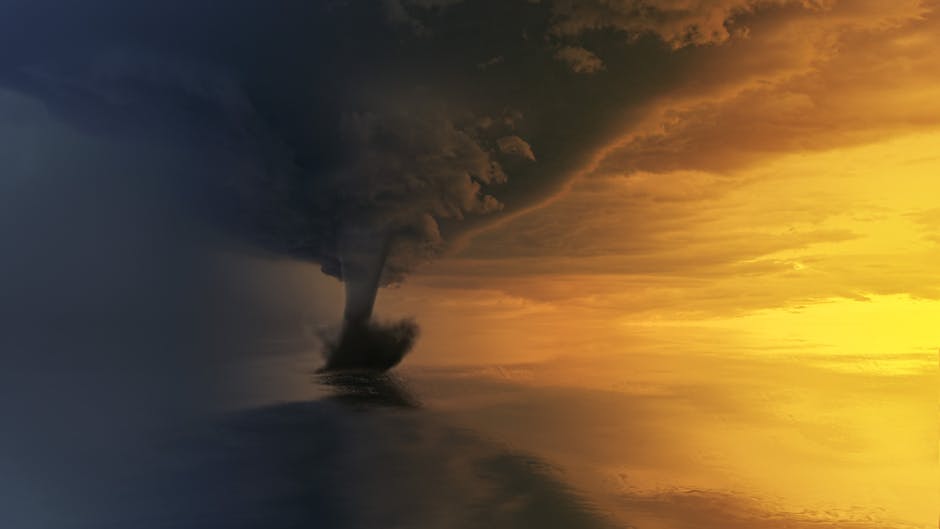
- Sinlaku, the strongest tropical cyclone to hit the Northern Mariana Islands this year, brought powerful winds and heavy rainfall, causing widespread damage.
- Over 1,000 people sought shelter across Guam and the Northern Mariana Islands due to the storm.
- The tropical cyclone’s impact will likely be felt for a long time, emphasizing the importance of disaster preparedness.
- Sinlaku made landfall with sustained winds of over 100 miles per hour and heavy rainfall.
- The storm caused widespread power outages, leaving many residents without electricity or access to basic necessities.
Sinlaku, the strongest tropical cyclone to hit the Northern Mariana Islands this year, has left a trail of destruction in its wake, with over 1,000 people seeking shelter across Guam and the Northern Mariana Islands. The tropical cyclone brought with it powerful winds and heavy rainfall, causing widespread damage to infrastructure and property. As the storm moves away, residents are beginning to assess the full extent of the damage, with many left to pick up the pieces and rebuild their lives.
Background and Current Situation

The Northern Mariana Islands, a US territory in the Pacific Ocean, are prone to tropical cyclones, which can have devastating effects on the region’s infrastructure and economy. The islands’ location in the path of the tropical cyclone belt makes them vulnerable to these storms, which can bring powerful winds, heavy rainfall, and storm surges. The current situation is a stark reminder of the importance of disaster preparedness and the need for effective emergency response measures to mitigate the impact of these storms. With Sinlaku being the strongest tropical cyclone to hit the region this year, the effects are likely to be felt for a long time to come.
Key Details of the Storm

Sinlaku made landfall in the Northern Mariana Islands, bringing with it sustained winds of over 100 miles per hour and heavy rainfall. The storm caused widespread power outages, with many residents left without electricity or access to basic necessities. The government has responded quickly to the disaster, with emergency services and aid workers deployed to the affected areas. The full extent of the damage is still being assessed, but it is clear that the storm has had a significant impact on the region, with many homes and businesses destroyed or damaged.
Analysis of the Storm’s Impact
The impact of Sinlaku on the Northern Mariana Islands is a stark reminder of the power of nature and the importance of disaster preparedness. The storm’s powerful winds and heavy rainfall have caused widespread damage, with many residents left to pick up the pieces and rebuild their lives. The economic impact of the storm is also likely to be significant, with many businesses destroyed or damaged, and tourism, a key sector of the economy, likely to be affected. Experts warn that the storm is a sign of things to come, with climate change expected to increase the frequency and severity of tropical cyclones in the region.
Implications of the Storm
The implications of Sinlaku are far-reaching, with many residents affected by the storm. The government has pledged to provide support to those affected, with aid packages and emergency services deployed to the affected areas. However, the road to recovery is likely to be long and difficult, with many residents facing significant challenges in rebuilding their lives. The storm has also highlighted the importance of disaster preparedness and the need for effective emergency response measures to mitigate the impact of these storms. As the region begins to rebuild, it is clear that the effects of Sinlaku will be felt for a long time to come.
Expert Perspectives
Experts warn that Sinlaku is a sign of things to come, with climate change expected to increase the frequency and severity of tropical cyclones in the region. “The storm is a stark reminder of the power of nature and the importance of disaster preparedness,” said one expert. “The region needs to be prepared for more frequent and severe storms, and to take steps to mitigate the impact of these storms.” Others disagree, arguing that the storm is a natural disaster and that the region is simply unlucky to have been in its path. However, one thing is clear: the effects of Sinlaku will be felt for a long time to come.
As the region begins to rebuild, many questions remain unanswered. What will be the long-term impact of the storm on the region’s economy and infrastructure? How will the government respond to the disaster, and what support will be provided to those affected? Only time will tell, but one thing is clear: the region will never forget the devastating impact of Sinlaku, the strongest tropical cyclone to hit the Northern Mariana Islands this year.