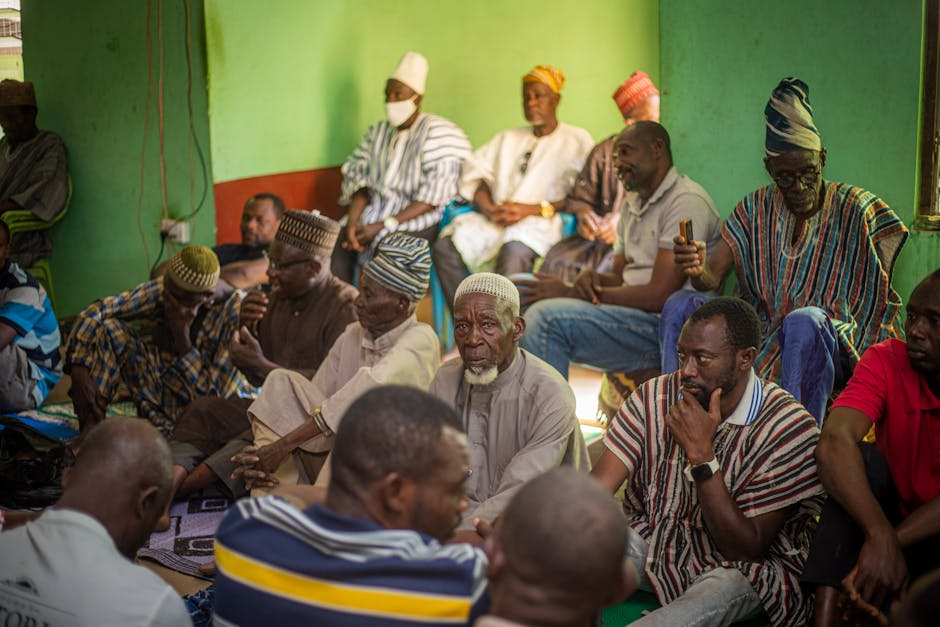
In a striking display of faith and unity, over 120,000 people gathered at a packed stadium in Douala, Cameroon, to hear Pope Leo’s message of hope, peace, and faith. The Pontiff’s visit to the African nation comes at a critical time, as the country grapples with rising tensions and violence. With his powerful words, Pope Leo urged Cameroonians to reject violence and instead choose the path of peace and reconciliation. This poignant plea has resonated deeply with the crowd, inspiring a sense of renewal and commitment to a more harmonious future.
Pope Leo’s Africa Trip: A Mission of Peace

The Pope’s visit to Cameroon is part of his broader Africa trip, aimed at promoting peace, understanding, and interfaith dialogue. As the spiritual leader of the worldwide Catholic Church, Pope Leo’s message of hope and peace is particularly significant in a region plagued by conflict and instability. By sharing his vision of a more peaceful and harmonious world, the Pope hopes to inspire Cameroonians to work towards a brighter future, one that is built on the principles of mutual respect, tolerance, and cooperation. The timing of the visit is also noteworthy, as it coincides with a period of heightened tensions in the region, making the Pope’s message all the more urgent and relevant.
A Call to Action: Rejecting Violence and Embracing Peace

During his sermon, Pope Leo spoke eloquently about the need for Cameroonians to reject violence and instead choose the path of peace and reconciliation. He emphasized the importance of forgiveness, compassion, and understanding, urging his listeners to work towards healing the wounds of the past and building a more harmonious future. The Pope’s words were met with thunderous applause, as the crowd was visibly moved by his powerful message. The event was also attended by various dignitaries, including government officials and religious leaders, who were similarly inspired by the Pope’s call to action. As the Pope’s message continues to resonate with the people of Cameroon, it remains to be seen how his words will translate into tangible action and positive change.
Understanding the Roots of Conflict
To fully appreciate the significance of the Pope’s message, it is essential to understand the complex roots of conflict in Cameroon. The country has been plagued by violence and instability, fueled by a mix of political, economic, and social factors. The conflict has resulted in significant humanitarian suffering, with thousands of civilians displaced, injured, or killed. Furthermore, the conflict has also had a profound impact on the country’s economy, exacerbating poverty and inequality. By addressing the root causes of the conflict, the Pope’s message of peace and reconciliation offers a beacon of hope for a more stable and prosperous future. Experts agree that the Pope’s visit has the potential to be a game-changer, as it brings international attention to the crisis and encourages stakeholders to work towards a peaceful resolution.
Implications and Future Prospects
The implications of the Pope’s visit to Cameroon are far-reaching, with potential consequences for the country’s future stability and prosperity. As the Pope’s message of peace and reconciliation continues to resonate with the people, it is likely to inspire a new wave of activism and community engagement. Furthermore, the visit has also highlighted the need for international cooperation and support, as the global community comes together to address the root causes of the conflict. The Pope’s call to action has also sparked a sense of hope and renewal among the Cameroonian diaspora, who are eager to contribute to the country’s development and reconstruction. As the situation in Cameroon continues to evolve, it is essential to monitor the impact of the Pope’s visit and the progress made towards a more peaceful and harmonious future.
Expert Perspectives
Experts have welcomed the Pope’s visit to Cameroon, praising his timely and powerful message of peace and reconciliation. According to Dr. Maria Rodriguez, a leading expert on African conflict resolution, the Pope’s visit has the potential to be a catalyst for positive change. She notes that the Pope’s message of hope and peace has resonated deeply with the people, inspiring a sense of renewal and commitment to a more harmonious future. In contrast, some critics have argued that the Pope’s visit is too little, too late, and that more concrete action is needed to address the root causes of the conflict. Despite these differing perspectives, there is a broad consensus that the Pope’s visit has brought much-needed attention to the crisis and has inspired a new wave of activism and community engagement.
As the situation in Cameroon continues to unfold, it is essential to watch for signs of progress and setbacks. The international community will be closely monitoring the situation, looking for opportunities to support the peace process and promote stability in the region. One open question is how the Cameroonian government will respond to the Pope’s call to action, and whether they will take concrete steps to address the root causes of the conflict. As the world waits with bated breath, it is clear that the Pope’s visit has marked a significant turning point in the crisis, inspiring a sense of hope and renewal among the people of Cameroon.