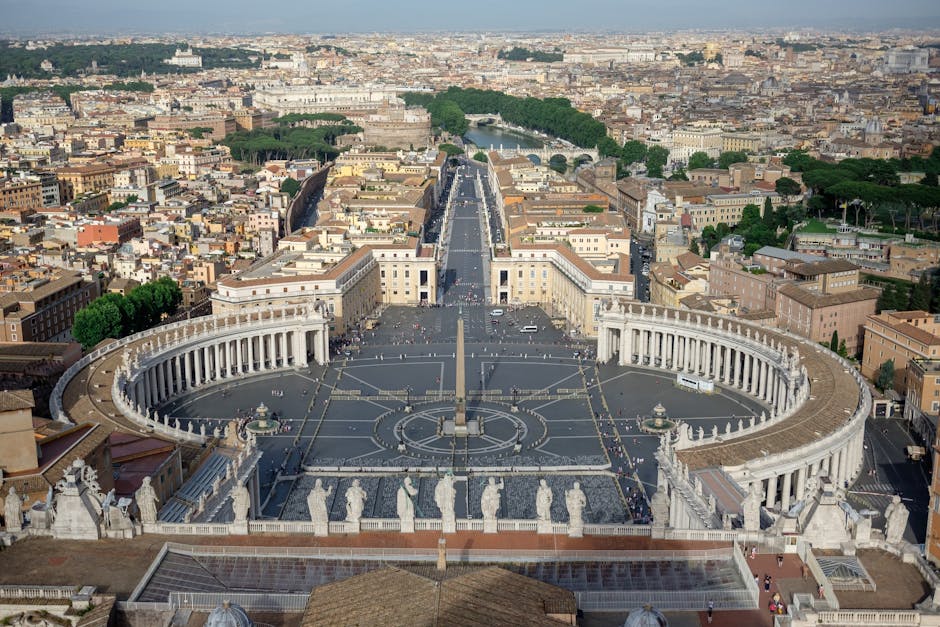
The Vatican has found itself at the center of a growing diplomatic storm, as Pope Leo XIV has attracted criticism from President Trump and his allies for refusing to back the war in Iran. In a striking move, the Pope has reiterated his calls for peace, sparking a heated debate about the role of religion in international conflicts. With tensions between the US and Iran continuing to escalate, the Pope’s stance has significant implications for global stability. The Vatican’s refusal to support the war has been seen as a major blow to the US administration’s efforts to build a coalition of support for its actions in the region. As the standoff between the US and Iran continues, the Pope’s words have taken on a newfound sense of urgency, highlighting the need for a peaceful resolution to the conflict.
The Vatican’s Stance on War

The Pope’s refusal to back the war in Iran is not a new development, but rather the latest iteration of a long-standing Vatican policy of promoting peace and diplomacy. The Vatican has consistently spoken out against the use of military force, advocating instead for dialogue and negotiation as the primary means of resolving conflicts. This approach has been shaped by the Vatican’s commitment to protecting human life and promoting the common good. As the US and Iran continue to exchange threats and accusations, the Vatican’s stance serves as a powerful reminder of the need for restraint and caution in international relations. The Pope’s calls for peace have been echoed by other faith leaders and organizations around the world, highlighting the growing sense of unease about the direction of US foreign policy.
A Growing Rift With the US

The Pope’s criticism of religious manipulation has been seen as a direct response to the US administration’s efforts to use religion as a justification for its actions in Iran. The US has long been accused of using religious rhetoric to justify its military interventions, and the Pope’s words have been interpreted as a rebuke to this approach. The growing rift between the Vatican and the US has significant implications for international relations, highlighting the deepening divisions between the two former allies. As the US continues to pursue its agenda in the Middle East, the Vatican’s refusal to support its actions has created a major headache for the US administration. The Pope’s stance has also been seen as a significant embarrassment for the US, which has long sought to portray itself as a champion of religious freedom and tolerance.
Analysis and Implications
The Pope’s criticism of religious manipulation has significant implications for the ongoing conflict between the US and Iran. The use of religious rhetoric to justify military action has long been a contentious issue, and the Pope’s words have highlighted the need for greater caution and restraint in this area. The Vatican’s stance has also been seen as a major blow to the US administration’s efforts to build a coalition of support for its actions in the region. As the conflict continues to escalate, the Pope’s calls for peace have taken on a newfound sense of urgency, highlighting the need for a peaceful resolution to the conflict. The implications of the Pope’s stance are far-reaching, and have significant consequences for international relations and global stability. The Vatican’s refusal to support the war has created a major rift with the US, and has highlighted the deepening divisions between the two former allies.
Global Repercussions
The Pope’s criticism of religious manipulation has significant implications for the global community, highlighting the need for greater caution and restraint in the use of religious rhetoric. The Vatican’s stance has been echoed by other faith leaders and organizations around the world, highlighting the growing sense of unease about the direction of US foreign policy. As the US continues to pursue its agenda in the Middle East, the Vatican’s refusal to support its actions has created a major headache for the US administration. The Pope’s words have also been seen as a significant embarrassment for the US, which has long sought to portray itself as a champion of religious freedom and tolerance. The global repercussions of the Pope’s stance are far-reaching, and have significant consequences for international relations and global stability. The Vatican’s commitment to promoting peace and diplomacy has highlighted the need for a more nuanced and thoughtful approach to international relations.
Expert Perspectives
Experts have been quick to weigh in on the significance of the Pope’s criticism of religious manipulation, with many highlighting the need for greater caution and restraint in the use of religious rhetoric. “The Pope’s words are a powerful reminder of the need for restraint and caution in international relations,” said one expert. “The use of religious rhetoric to justify military action is a highly contentious issue, and the Pope’s stance has highlighted the need for a more nuanced and thoughtful approach to international relations.” Others have noted that the Pope’s criticism of religious manipulation has significant implications for the global community, highlighting the need for greater dialogue and cooperation between different faiths and cultures.
As the conflict between the US and Iran continues to escalate, the Pope’s calls for peace have taken on a newfound sense of urgency. The question on everyone’s mind is what will happen next, and how the international community will respond to the growing crisis. One thing is certain, however: the Pope’s stance has highlighted the need for a more thoughtful and nuanced approach to international relations, and has created a major headache for the US administration. As the world watches with bated breath, one thing is clear: the Pope’s words have significant implications for the future of international relations, and will be closely watched in the days and weeks to come.