- Iran’s announcement that the Strait of Hormuz is open has led to a sharp drop in oil prices.
- The Strait of Hormuz is a critical waterway for global oil shipments, with over 20% of the world’s oil passing through it daily.
- The Strait’s strategic importance cannot be overstated, as any disruption to oil shipments could impact global energy markets and the economy.
- Oil markets have been volatile in recent months due to concerns over supply disruptions in the region.
- The announcement is seen as a significant development in the ongoing tensions between Iran and the West.
The price of oil has fallen sharply, with Brent crude dropping by over 4% to below $60 a barrel, after Iran announced that the Strait of Hormuz, a critical waterway for global oil shipments, is open. This move has been seen as a significant development in the ongoing tensions between Iran and the West, with the potential to impact oil prices and global energy markets. The Strait of Hormuz is a vital shipping lane, with over 20% of the world’s oil passing through it every day. The announcement by Iran has been welcomed by oil markets, which have been volatile in recent months due to concerns over supply disruptions in the region.
The Strategic Importance of the Strait of Hormuz

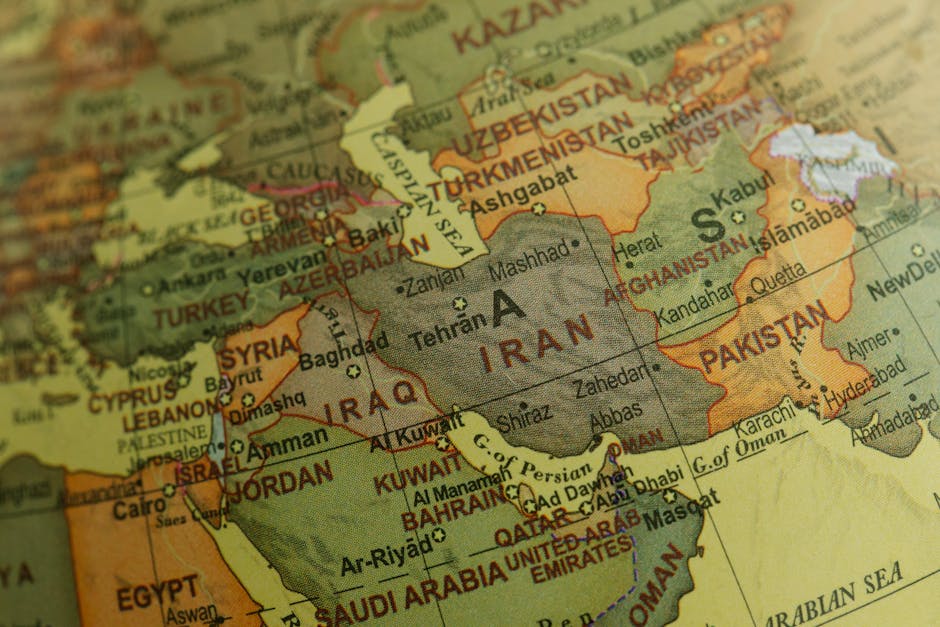
The Strait of Hormuz is a narrow waterway that connects the Persian Gulf to the Gulf of Oman, and it is the primary route for oil exports from countries such as Saudi Arabia, Iraq, and Kuwait. The strait is approximately 90 miles long and 21 miles wide at its narrowest point, making it a critical chokepoint for global oil supplies. The strategic importance of the Strait of Hormuz cannot be overstated, as any disruption to oil shipments through the strait could have significant implications for global energy markets and the economy. The announcement by Iran that the strait is open will be closely watched by oil markets and analysts, who will be looking for signs of a return to normalcy in the region.
Iran’s Announcement and the Oil Price Reaction

Iran’s announcement that the Strait of Hormuz is open has been met with a significant reaction from oil markets, with prices falling sharply. The price of Brent crude has fallen by over 4%, while West Texas Intermediate (WTI) crude has also seen a decline. The reaction from oil markets is not surprising, given the critical importance of the Strait of Hormuz to global oil supplies. Analysts have been warning of the potential for supply disruptions in the region, and the announcement by Iran has helped to alleviate some of these concerns. However, it is not clear how quickly the oil industry in the Persian Gulf will be able to get back to normal, and analysts will be closely watching the situation in the coming days and weeks.
Causes and Effects of the Strait of Hormuz Disruption
The disruption to oil shipments through the Strait of Hormuz has been caused by a combination of factors, including tensions between Iran and the West, as well as concerns over the security of oil tankers in the region. The effects of the disruption have been significant, with oil prices rising sharply in recent months due to concerns over supply disruptions. The announcement by Iran that the strait is open will help to alleviate some of these concerns, but it is not clear how quickly the oil industry will be able to recover. Analysts will be closely watching the situation, looking for signs of a return to normalcy in the region, as well as any potential risks or challenges that could impact oil supplies.
Implications of the Strait of Hormuz Reopening
The implications of the Strait of Hormuz reopening are significant, with the potential to impact oil prices and global energy markets. The announcement by Iran will be welcomed by oil markets, which have been volatile in recent months due to concerns over supply disruptions in the region. However, it is not clear how quickly the oil industry in the Persian Gulf will be able to get back to normal, and analysts will be closely watching the situation in the coming days and weeks. The reopening of the Strait of Hormuz will also have implications for the global economy, with the potential to impact inflation and economic growth.
Expert Perspectives
Analysts have been weighing in on the potential impact of the Strait of Hormuz reopening, with some expressing caution over the potential for further disruptions in the region. “The reopening of the Strait of Hormuz is a positive development, but it is not a guarantee of stability in the region,” said one analyst. “There are still significant risks and challenges that could impact oil supplies, and we will be closely watching the situation in the coming days and weeks.” Others have expressed optimism over the potential for a return to normalcy in the region, with one analyst noting that “the announcement by Iran is a significant step towards reducing tensions in the region and restoring stability to oil markets.”
Looking ahead, the key question is what will happen next in the region, and how quickly the oil industry will be able to recover from the disruption. Analysts will be closely watching the situation, looking for signs of a return to normalcy, as well as any potential risks or challenges that could impact oil supplies. The Strait of Hormuz reopening is a significant development, but it is not a guarantee of stability in the region, and the situation will continue to be closely monitored in the coming days and weeks.