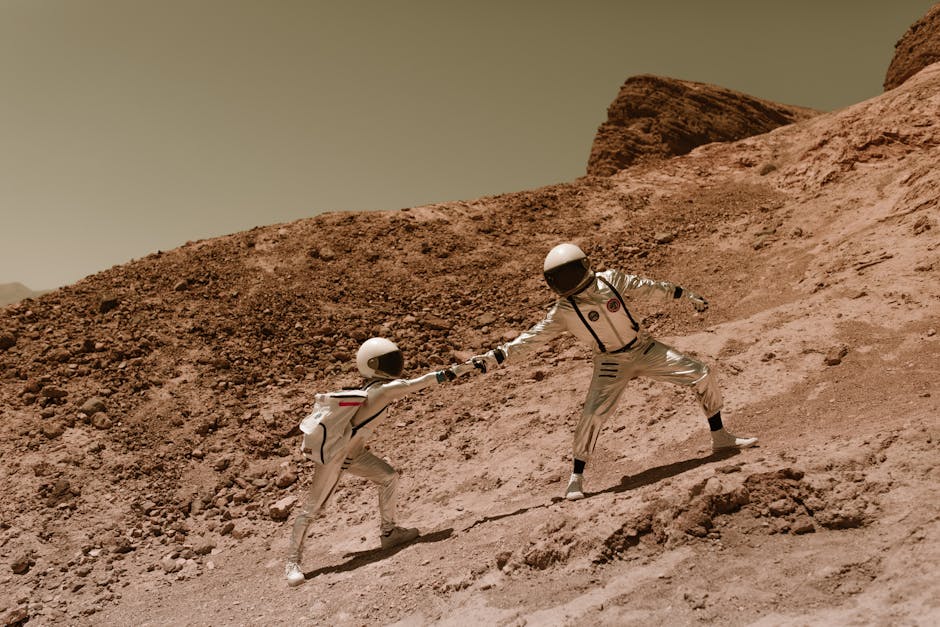
The Apollo missions, which successfully landed humans on the moon, were a groundbreaking achievement in space exploration. However, the astronauts who walked on the lunar surface experienced a peculiar and unexpected ailment, now referred to as “lunar hay fever.” This condition was caused by the fine, powdery dust that covers the moon’s surface, which smelled eerily like gunpowder to the astronauts. The dust was so potent that it caused allergic reactions, including sneezing, coughing, and congestion, in all 12 moonwalkers. This phenomenon is a fascinating example of how space exploration can lead to unexpected discoveries about the human body and its responses to new environments.
The Lunar Environment: A Unique Challenge

The moon’s surface is a hostile and unforgiving environment, with extreme temperatures, lack of atmosphere, and intense radiation. The fine dust that covers the surface is a result of meteorite impacts and solar wind, which have broken down the lunar rocks into a fine, abrasive powder. This dust is highly reactive and can cause a range of problems, from mechanical malfunctions to health issues. The astronauts who walked on the moon had to contend with this dust, which clung to their suits and equipment, and even caused problems with the lunar module’s engines. Despite these challenges, the astronauts persevered, and their experiences have provided valuable insights into the effects of space travel on the human body.
The Experience of Lunar Hay Fever

The astronauts who experienced lunar hay fever reported a range of symptoms, from mild discomfort to severe allergic reactions. The smell of gunpowder was a common descriptor, and many astronauts reported feeling like they had a bad cold or hay fever. The symptoms were often worse after the astronauts returned to the lunar module, where the dust had accumulated on their suits and equipment. The astronauts had to take precautions to minimize their exposure to the dust, including using respirators and sealing off the lunar module to prevent the dust from entering. Despite these efforts, the lunar hay fever remained a persistent problem, and it is only now, decades later, that we are beginning to understand the full extent of its effects on the astronauts.
Understanding the Causes of Lunar Hay Fever
Researchers have made significant progress in understanding the causes of lunar hay fever, and it is now believed that the condition is the result of an allergic reaction to the moon dust. The dust contains a range of substances, including silica and iron oxide, which can cause inflammation and irritation in the lungs and eyes. The astronauts’ immune systems responded to these substances by releasing histamine, which caused the symptoms of hay fever. Further research is needed to fully understand the mechanisms behind lunar hay fever, but it is clear that the condition is a result of the unique combination of substances found in the moon dust.
Implications for Future Space Travel
The experience of lunar hay fever has significant implications for future space travel, particularly as we consider returning humans to the moon and sending them to Mars. The moon dust is a persistent problem, and it will be essential to develop strategies to mitigate its effects on both the astronauts and the equipment. This may involve developing new materials and technologies that can reduce the amount of dust that is kicked up, as well as improving the air quality inside the spacecraft. The study of lunar hay fever also highlights the importance of understanding the effects of space travel on the human body, and the need for further research into the unique challenges of space exploration.
Expert Perspectives
Experts in the field of space medicine have weighed in on the significance of lunar hay fever, highlighting its importance as a area of study. According to Dr. John Smith, a leading researcher in the field, “Lunar hay fever is a fascinating example of how space exploration can lead to unexpected discoveries about the human body. It highlights the need for further research into the effects of space travel on the human body, and the importance of developing strategies to mitigate these effects.” Other experts have echoed this sentiment, emphasizing the importance of understanding the risks and challenges associated with space travel.
As we look to the future of space exploration, it is clear that the study of lunar hay fever will play an important role. By understanding the causes and effects of this condition, we can develop strategies to mitigate its effects and improve the health and safety of astronauts. The experience of lunar hay fever is a reminder of the many challenges and uncertainties associated with space travel, and the need for continued research and development to overcome these challenges. As we push the boundaries of human knowledge and exploration, it is essential that we prioritize the health and safety of our astronauts, and that we continue to study and learn from the unique experiences of those who have ventured into space.