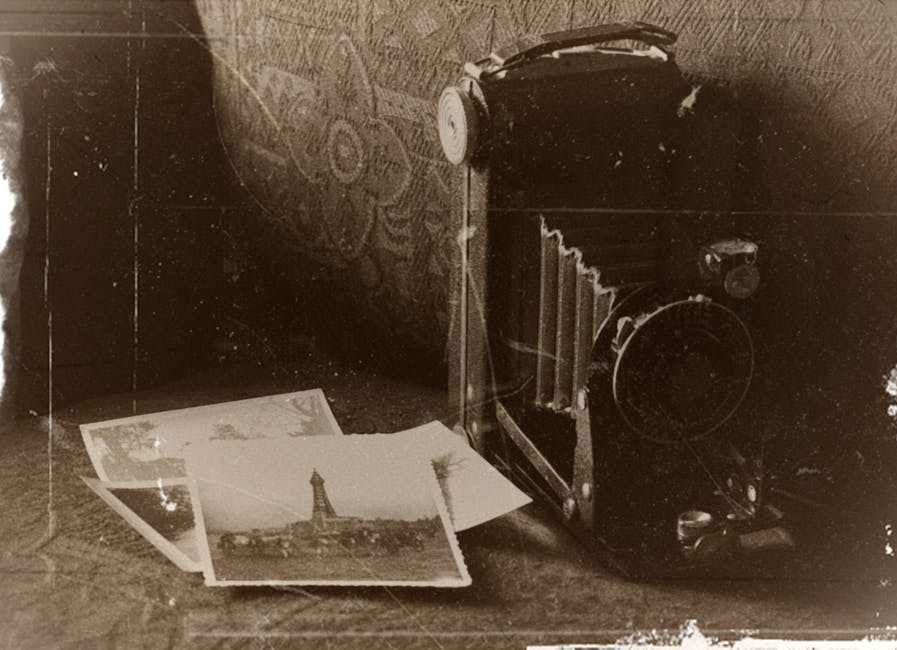
- Image manipulation has been used for over a century, challenging the belief that it is a new phenomenon.
- Techniques like airbrushing and retouching were early methods of altering photographs, before digital tools became more prevalent.
- Exhibitions like the one at Rijksmuseum highlight how image manipulation has been used to deceive and shape public opinion.
- The rise of social media and digital editing tools has made image manipulation more accessible and widespread.
- Historical image manipulation demonstrates that fake news is not just a modern issue, but a longstanding problem.
The advent of social media and digital image editing software has led many to believe that fake news is a relatively recent phenomenon. However, a new exhibition at the Rijksmuseum in Amsterdam is shedding light on the fact that image manipulation has been occurring for over a century. The exhibition, which features a collection of startling images, reveals how photographers and editors have been using various techniques to manipulate and distort reality. From adding or removing objects to altering the context of a scene, these images show that fake news is not just a 21st-century issue, but rather a longstanding problem that has been hiding in plain sight.
The History of Image Manipulation

The practice of image manipulation dates back to the early days of photography, when editors would use various techniques such as airbrushing and retouching to alter the appearance of images. However, with the advent of digital technology, the ease and sophistication of image manipulation have increased exponentially. The Rijksmuseum exhibition highlights how image manipulation has been used throughout history to deceive and mislead the public. From propaganda posters to manipulated news photographs, the exhibition shows how images have been used to shape public opinion and influence political discourse. The fact that image manipulation has been occurring for so long raises important questions about the role of media in shaping our understanding of reality.
Flying Cars and Giant Geese

Some of the images featured in the exhibition are downright bizarre, featuring objects and scenes that are clearly fabricated. One image shows a group of people standing next to a giant goose, while another depicts a flying car soaring through the sky. These images may seem amusing or even absurd to modern audiences, but they highlight the ways in which image manipulation can be used to create false narratives and deceive the public. The exhibition also features images that are more subtle in their manipulation, such as photographs that have been altered to change the context of a scene or to add or remove objects. These images demonstrate how easy it is to manipulate reality and create false impressions.
Analyzing the Impact of Image Manipulation
The impact of image manipulation on our understanding of reality cannot be overstated. When images are manipulated to create false narratives or to deceive the public, it can have serious consequences. The spread of misinformation can lead to the erosion of trust in institutions and the media, and can even influence the outcome of elections. Furthermore, the ease of image manipulation in the digital age has made it increasingly difficult to distinguish between fact and fiction. The Rijksmuseum exhibition serves as a reminder of the importance of critical thinking and media literacy in today’s digital landscape. By examining the history of image manipulation, we can gain a deeper understanding of the ways in which media can shape our perceptions of reality.
Implications for the Digital Age
The implications of the Rijksmuseum exhibition are clear: image manipulation is not just a modern phenomenon, but rather a longstanding problem that has been exacerbated by digital technology. As we move forward in the digital age, it is essential that we prioritize media literacy and critical thinking. This means being aware of the ways in which images can be manipulated and taking steps to verify the accuracy of the information we consume. By doing so, we can work to mitigate the spread of misinformation and promote a more nuanced understanding of the world around us. The exhibition serves as a timely reminder of the importance of skepticism and critical thinking in today’s digital landscape.
Expert Perspectives
Experts in the field of media studies and photography have weighed in on the significance of the Rijksmuseum exhibition. Some have praised the exhibition for shedding light on the long history of image manipulation, while others have criticized it for not going far enough in addressing the implications of digital technology. According to Dr. Emily Jenkins, a media studies expert, “the exhibition is an important reminder of the ways in which media can shape our perceptions of reality. However, it is also important to recognize the ways in which digital technology has exacerbated the problem of image manipulation.”
As we look to the future, it is clear that the issue of image manipulation will only continue to grow in importance. With the rise of deepfakes and other forms of AI-generated content, the potential for deception and manipulation has never been greater. The question on everyone’s mind is: what can be done to mitigate the spread of misinformation and promote a more nuanced understanding of the world around us? The answer, much like the images featured in the Rijksmuseum exhibition, remains unclear. One thing is certain, however: the need for critical thinking and media literacy has never been more pressing.