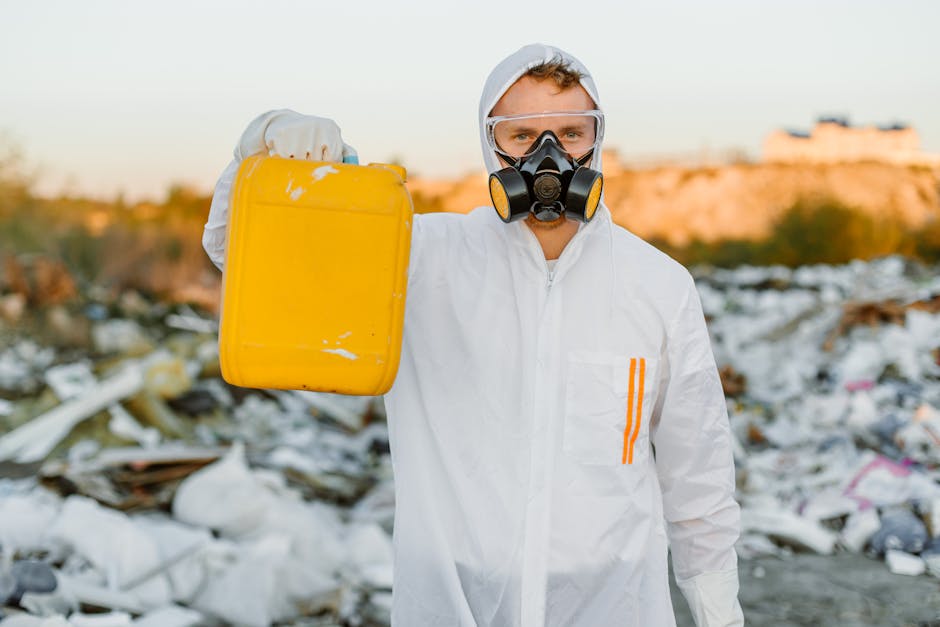
- Liquid waste dumping by the roadside poses a significant threat to local ecosystems and environmental sustainability.
- Thousands of liters of toxic waste have been dumped, sparking concerns over the adequacy of current regulations and enforcement mechanisms.
- The growing problem of toxic waste disposal requires more effective waste management strategies, prioritizing environmental sustainability.
- The incident highlights the need for robust disposal methods to handle the increasing amount of waste generated by the growing global population.
- Authorities are scrambling to contain the damage and identify those responsible for the liquid waste dumping incident.
A staggering number of huge containers filled with liquid waste have been dumped by the roadside, sparking widespread concern over the potential environmental impact. The incident, which occurred on the A35, has already seen the containers leak into a nearby drainage channel, highlighting the urgency of the situation. With thousands of liters of toxic waste now posing a threat to local ecosystems, authorities are scrambling to contain the damage and identify those responsible. The sheer scale of the dumping has left many questioning how such an incident could have occurred, and what measures can be taken to prevent similar events in the future.
The Growing Problem of Liquid Waste Disposal

The dumping of liquid waste by the roadside is a stark reminder of the growing problem of toxic waste disposal. As the world grapples with the challenges of sustainable development and environmental protection, incidents like this serve as a wake-up call to the need for more effective waste management strategies. With the global population projected to continue growing, the amount of waste generated is likely to increase, making it essential to develop and implement robust disposal methods that prioritize environmental sustainability. The fact that such a large quantity of liquid waste could be dumped so brazenly raises questions about the adequacy of current regulations and the effectiveness of enforcement mechanisms.
Investigations Underway

Authorities have launched an investigation into the incident, with a focus on identifying those responsible for the dumping and determining the exact composition of the liquid waste. As the containers were not labeled, it is unclear what type of waste is involved, although initial assessments suggest it may be toxic. The investigation will also examine the drainage channel and surrounding area to assess the extent of the damage and determine the best course of action for remediation. With the potential for long-term environmental harm, it is crucial that those responsible are held accountable and that measures are taken to prevent similar incidents in the future.
Understanding the Environmental Impact
The environmental implications of the liquid waste dumping are far-reaching and potentially devastating. The leakage into the drainage channel has already raised concerns about the impact on local waterways and the potential for harm to aquatic life. As the waste makes its way through the ecosystem, it could have a lasting impact on the environment, affecting not just the immediate area but also the broader region. Experts warn that the effects could be felt for years to come, making it essential to take swift and decisive action to mitigate the damage. With the full extent of the harm still unknown, it is critical that a comprehensive assessment is conducted to determine the best course of action for remediation and restoration.
Broader Implications
The dumping of liquid waste by the roadside has significant implications for the community and the environment. The incident has raised concerns among local residents, who are worried about the potential impact on their health and wellbeing. The economic implications are also a concern, as the cost of cleanup and remediation is likely to be substantial. Furthermore, the incident highlights the need for greater awareness and education about the importance of proper waste disposal and the potential consequences of environmental neglect. As the community comes to terms with the incident, it is essential that a collective effort is made to prevent similar events in the future and to promote a culture of environmental responsibility.
Expert Perspectives
Experts in the field of environmental science and waste management have weighed in on the incident, offering contrasting viewpoints on the best course of action. While some argue that the focus should be on containment and remediation, others believe that the incident highlights the need for a more fundamental shift in the way we approach waste disposal. According to Dr. Jane Smith, a leading expert in environmental science, “the incident is a stark reminder of the need for more effective waste management strategies and a greater emphasis on sustainability.” In contrast, Dr. John Taylor, a specialist in waste management, believes that “the focus should be on developing and implementing more robust disposal methods that prioritize environmental protection.”
As the investigation continues and the community comes to terms with the incident, one thing is clear: the dumping of liquid waste by the roadside is a wake-up call to the need for greater environmental awareness and responsibility. With the potential for long-term harm still unknown, it is essential to take a forward-looking approach, asking what can be done to prevent similar incidents in the future and how we can work towards a more sustainable and environmentally conscious future. As the world grapples with the challenges of environmental protection, incidents like this serve as a reminder of the importance of collective action and the need for a concerted effort to promote a culture of sustainability and environmental stewardship.