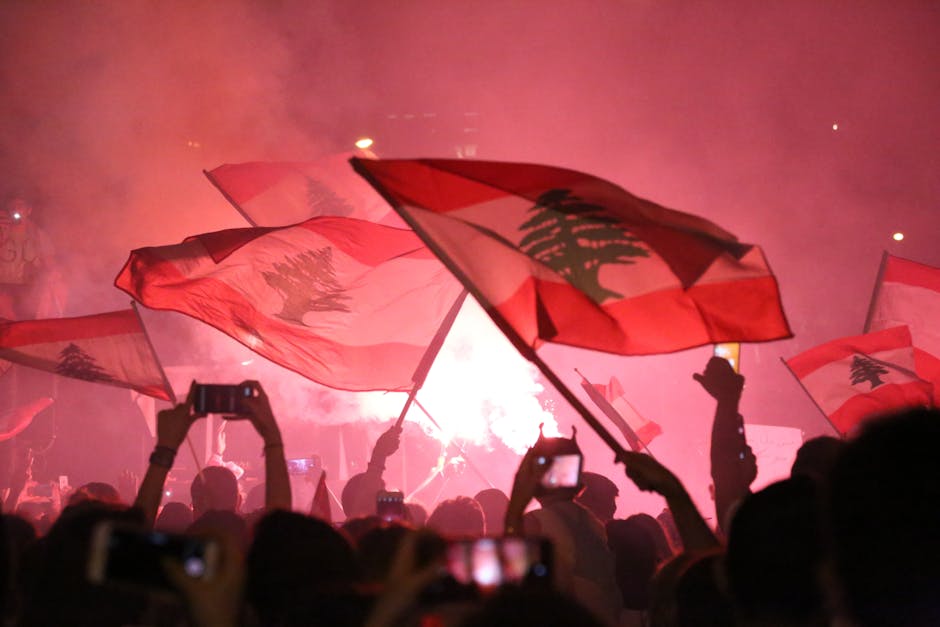
- Over 100,000 people have been forced to flee their homes in Lebanon due to the conflict between Israel and Hezbollah.
- The ceasefire has brought a sense of relief, but many displaced individuals are waiting to see if it will hold before returning to their homes.
- The humanitarian situation in Lebanon is dire, with many innocent civilians caught in the crossfire.
- The conflict has been ongoing for decades, with periodic outbreaks of violence punctuating an uneasy calm.
- International efforts to monitor the situation and find a negotiated settlement are crucial to resolving the conflict.
The recent ceasefire between Israel and Hezbollah has brought a sense of tentative relief to the region, but for the thousands of displaced Lebanese, the uncertainty is far from over. A striking fact is that over 100,000 people have been forced to flee their homes due to the conflict, with many now residing in makeshift shelters or with relatives in safer areas. As the guns fall silent, these evacuees are adopting a wait-and-see approach, wary of risking a return to their war-torn villages without clarity on the ceasefire’s terms. The situation remains precarious, with tensions simmering just below the surface, and it is imperative that the international community continues to monitor the situation closely.
Background to the Conflict

The conflict between Israel and Hezbollah has been ongoing for decades, with periodic outbreaks of violence punctuating an uneasy calm. However, the recent escalation has been particularly devastating, with both sides suffering significant losses. The humanitarian situation is dire, with many innocent civilians caught in the crossfire. The international community has been urging restraint and calling for a negotiated settlement, but the path forward remains fraught with difficulty. As the ceasefire takes hold, it is essential to understand the complex web of historical, cultural, and political factors that have contributed to this longstanding feud. By examining the background to the conflict, it becomes clear that a lasting resolution will require a nuanced and multifaceted approach.
Key Details of the Ceasefire

The ceasefire, brokered by international mediators, is a significant development, but its terms are still shrouded in uncertainty. What is clear is that both sides have agreed to a mutual cessation of hostilities, pending further negotiations. The Israeli military has confirmed that it will respect the ceasefire, while Hezbollah has also indicated its willingness to abide by the agreement. However, the lack of transparency surrounding the terms has created confusion and skepticism among the displaced Lebanese, who are eager to return to their homes but fearful of renewed violence. As the situation continues to unfold, it is crucial that all parties involved provide clarity and reassurance to those affected by the conflict.
Analysis of the Conflict
Experts point to a combination of factors as the root causes of the conflict, including territorial disputes, ideological differences, and regional power struggles. The involvement of external actors has also played a significant role, with some countries providing military and financial support to one side or the other. As the ceasefire takes hold, analysts are warning that the situation remains fragile, with numerous potential flashpoints that could reignite the conflict. The international community must remain vigilant, providing support and encouragement to those working towards a peaceful resolution. By examining the complex causes and effects of the conflict, it becomes clear that a lasting solution will require a sustained and coordinated effort from all parties involved.
Implications of the Ceasefire
The implications of the ceasefire are far-reaching, with significant consequences for the people of Lebanon, Israel, and the wider region. For the displaced Lebanese, the agreement offers a glimmer of hope that they may soon be able to return to their homes and begin rebuilding their lives. However, the lack of clarity surrounding the terms of the ceasefire has created uncertainty, and many are hesitant to take the risk. As the situation continues to evolve, it is essential that the international community provides support and protection to those affected by the conflict, ensuring that their rights and needs are respected and addressed. The humanitarian situation remains a pressing concern, and it is imperative that all parties involved prioritize the well-being and safety of innocent civilians.
Expert Perspectives
Experts are offering contrasting viewpoints on the ceasefire, with some hailing it as a significant step towards peace, while others express skepticism about its durability. Some analysts argue that the agreement is a crucial opportunity for both sides to engage in meaningful negotiations, potentially paving the way for a lasting resolution. Others, however, warn that the ceasefire is fragile and that the lack of trust between the parties involved could lead to a resurgence of violence. As the situation continues to unfold, it is essential to consider a range of perspectives and opinions, recognizing that there are no easy solutions to this complex and deeply ingrained conflict.
Looking to the future, the key question is what will happen next. Will the ceasefire hold, or will the conflict reignite? As the international community continues to monitor the situation, it is imperative that all parties involved remain committed to finding a peaceful resolution. The road ahead will be long and challenging, but with persistence, determination, and a willingness to engage in meaningful dialogue, it is possible to build a more stable and secure future for the people of the region. As the situation continues to evolve, one thing is clear: the international community must remain vigilant, providing support and encouragement to those working towards a lasting peace.