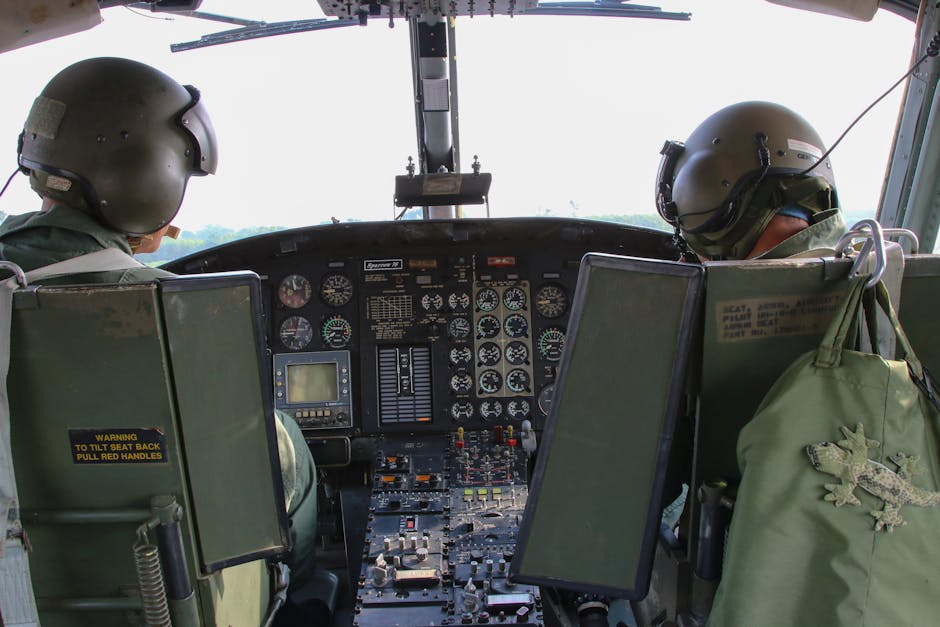
- A recent helicopter crash in Indonesia highlights ongoing safety concerns in regional air travel.
- The incident has prompted an investigation into the cause of the crash and raised questions about safety standards in the area.
- Indonesia’s geography and reliance on air transport make it vulnerable to aviation incidents, underscoring the need for stringent safety measures.
- Frequency of such incidents, particularly in regions with less stringent safety protocols, highlights the global importance of safe travel practices.
- This tragedy serves as a reminder of the critical need for continuous improvement in safety standards and aircraft maintenance.
A devastating helicopter crash in Indonesia has left eight people dead, highlighting the ongoing risks associated with air travel in the region. The incident, which occurred recently, has sent shockwaves throughout the country and has prompted an investigation into the cause of the crash. With all eight people on board confirmed dead, this tragedy serves as a stark reminder of the importance of ensuring the highest safety standards in aviation. As the news of the crash spreads, concerns are being raised about the frequency of such incidents and the measures being taken to prevent them.
Background and Recent Trends

The recent helicopter crash in Indonesia is a sobering reminder of the risks inherent in air travel, particularly in regions where safety standards may not be as stringent as in other parts of the world. Indonesia, with its vast and diverse geography, relies heavily on air transport for both commercial and private purposes. However, the country has experienced its fair share of aviation incidents in the past, raising questions about the effectiveness of safety protocols and the maintenance of aircraft. As the world becomes increasingly interconnected, the importance of safe and reliable air travel cannot be overstated, making incidents like these a matter of global concern.
Incident Details and Response

According to reports, the helicopter was carrying eight people when it crashed, resulting in no survivors. The incident has prompted a swift response from local authorities, who have launched an investigation into the cause of the crash. Details about the flight, including its origin, destination, and the purpose of the trip, are being scrutinized as part of the investigation. The response to the incident has also included rescue operations, with emergency services rushing to the scene to provide assistance. As more information becomes available, it is expected that a clearer picture of what led to the tragic event will emerge.
Analysis and Safety Concerns
The analysis of the helicopter crash will likely focus on several key factors, including the condition of the aircraft, the experience of the pilots, and any potential environmental factors that may have contributed to the incident. Safety concerns in aviation are multifaceted, involving not just the maintenance of the aircraft and the training of the crew, but also adherence to safety protocols and the regulation of air traffic. In the context of Indonesia, where the terrain can be challenging and weather conditions unpredictable, the margin for error is significantly reduced, underscoring the need for vigilant safety measures. Experts will be looking at data from similar incidents, as well as the specific circumstances of this crash, to identify patterns or lapses in safety that could inform future preventive measures.
Implications and Future Actions
The implications of the helicopter crash are far-reaching, affecting not just the families of the victims but also the broader community and the aviation industry as a whole. The incident is likely to lead to a re-examination of safety procedures and protocols, both in Indonesia and potentially in other regions with similar safety concerns. For those affected, the tragedy will have a profound and lasting impact, highlighting the human cost of aviation incidents. In terms of future actions, there will be a focus on implementing any necessary changes to prevent such tragedies from occurring in the future, including possible updates to safety regulations, enhancements to pilot training, and improvements in aircraft maintenance standards.
Expert Perspectives
Experts in aviation safety have begun to weigh in on the incident, offering contrasting viewpoints on the factors that may have contributed to the crash and the steps that can be taken to enhance safety. Some have emphasized the importance of rigorous maintenance and inspection schedules, while others have pointed to the need for ongoing training and professional development for pilots. The variety of perspectives underscores the complexity of the issue, highlighting that there is no single solution to preventing aviation incidents but rather a comprehensive approach that addresses multiple factors.
Looking forward, one of the key questions will be how the aviation industry and regulatory bodies respond to this incident. Will it prompt significant changes in safety protocols, or will it be seen as an isolated event? The answer to this question will depend on the findings of the investigation and the subsequent actions taken by authorities and industry leaders. As the world watches, there is a hope that this tragedy will serve as a catalyst for positive change, leading to safer skies for all.