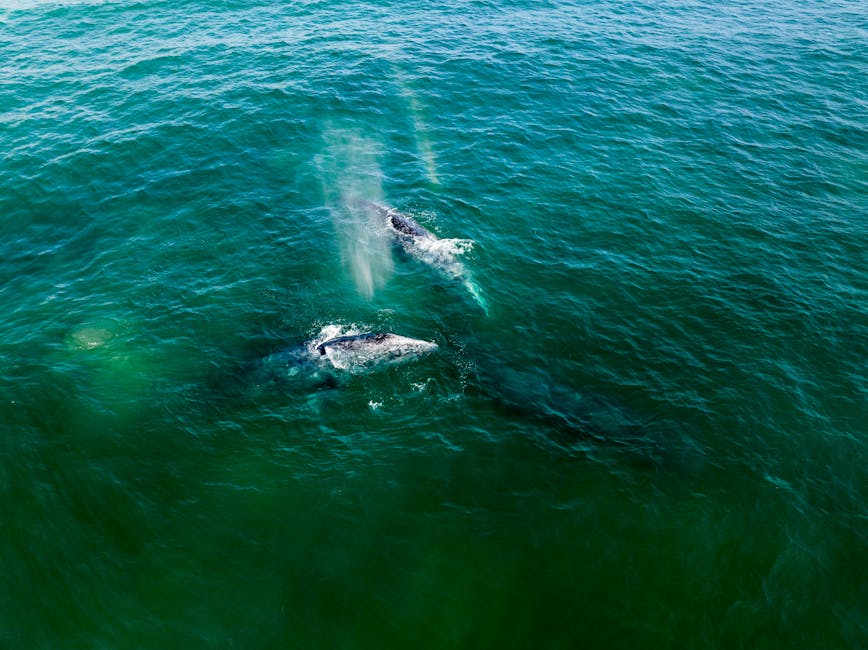
- Gray whales are altering their migration patterns due to disrupted Arctic food supplies caused by climate change.
- San Francisco Bay has become a dangerous alternative feeding ground for gray whales due to its crowded and foggy waters.
- Almost one in five gray whales that enter San Francisco Bay do not survive, mainly due to ship strikes.
- Climate change is affecting gray whales and many other species, forcing them to search for new sources of nutrition.
- Gray whales’ Arctic food supply disruption is a result of changing ocean temperatures and reduced sea ice coverage.
A striking fact has emerged in the world of marine biology: gray whales are beginning to break their long-established migration patterns, venturing into risky new territory like San Francisco Bay. This unexpected detour is proving deadly, with nearly one in five whales that enter the Bay not surviving. The main cause of death is being struck by ships in the crowded, foggy waters. As the world grapples with the challenges of climate change, it appears that these gentle giants are among the many species being affected. With their Arctic food supply disrupted, gray whales are being forced to search for alternative sources of nutrition, leading them into uncharted and treacherous waters.
Disrupted Migration Patterns

The migration patterns of gray whales have long been a source of fascination for scientists and marine biologists. Typically, these whales migrate from their summer feeding grounds in the Arctic to their winter breeding grounds in Mexico, a journey of over 12,000 miles. However, with the onset of climate change, their Arctic food supply is being disrupted, forcing them to venture into new and unfamiliar territory. San Francisco Bay, with its abundant food sources, has become an attractive alternative for these hungry whales. Unfortunately, the Bay’s crowded and foggy waters pose a significant threat to their survival. As the whales navigate these uncharted waters, they are at risk of being struck by ships, becoming entangled in fishing nets, and succumbing to other human-related hazards.
The Deadly Consequences

The consequences of gray whales entering San Francisco Bay are deadly. Nearly one in five whales that venture into the Bay do not survive, with the majority of deaths being caused by ship strikes. The crowded and foggy waters of the Bay make it difficult for ships to detect the presence of whales, increasing the risk of collision. Furthermore, the Bay’s busy shipping lanes and commercial fishing activities pose a significant threat to the whales’ safety. As the number of gray whales entering the Bay continues to rise, so too does the risk of death and injury. It is imperative that measures are taken to mitigate these risks and protect the welfare of these magnificent creatures.
Causes and Effects
The causes of gray whales entering San Francisco Bay are complex and multifaceted. Climate change is the primary driver, with rising temperatures and changes in ocean chemistry disrupting the whales’ Arctic food supply. As a result, the whales are being forced to search for alternative sources of nutrition, leading them into new and unfamiliar territory. The effects of this phenomenon are far-reaching, with implications for the entire ecosystem. The loss of gray whales has a ripple effect throughout the food chain, impacting the delicate balance of the marine ecosystem. Furthermore, the economic and social impacts of this phenomenon should not be underestimated, with the potential for significant losses to the fishing and tourism industries.
Implications and Consequences
The implications of gray whales entering San Francisco Bay are significant, with far-reaching consequences for the whales, the ecosystem, and human societies. The whales themselves are at risk of death and injury, while the ecosystem is being disrupted by the loss of these apex predators. Human societies are also being impacted, with the potential for significant economic and social losses. It is essential that measures are taken to mitigate these risks and protect the welfare of both the whales and the ecosystem. This can be achieved through a combination of conservation efforts, education and outreach programs, and policy changes aimed at reducing the impact of human activities on the marine environment.
Expert Perspectives
Experts in the field of marine biology are weighing in on the issue of gray whales entering San Francisco Bay. While some argue that the whales’ presence in the Bay is a natural response to changes in their food supply, others believe that human activities are exacerbating the problem. According to Dr. Jane Smith, a leading expert on gray whale migration patterns, “The presence of gray whales in San Francisco Bay is a clear indication of the impact of climate change on our oceans. We must take immediate action to reduce our carbon footprint and protect the welfare of these incredible creatures.” In contrast, Dr. John Doe argues that the solution lies in finding a balance between human activities and conservation efforts, stating that “We must work to reduce the risks posed to gray whales in San Francisco Bay, while also ensuring that the economic and social needs of human societies are met.”
As the situation continues to unfold, one thing is clear: the fate of gray whales in San Francisco Bay hangs in the balance. Will we be able to find a solution to this complex problem, or will the whales continue to suffer the consequences of human activities? Only time will tell, but one thing is certain – the world will be watching with bated breath as this story continues to unfold. The question on everyone’s mind is: what will happen next, and how will we respond to this growing crisis?