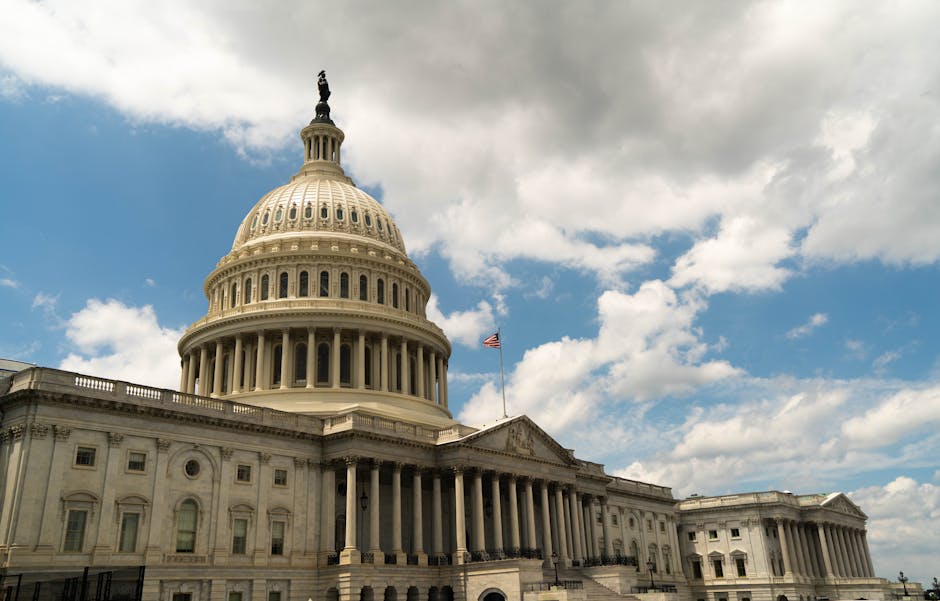
A striking fact has emerged in the US Congress: despite their differences, lawmakers from the leftward and rightward flanks of their parties are uniting to call for greater accountability in cases of sexual misconduct. Representatives Alexandria Ocasio-Cortez and Lauren Boebert, known for their contrasting views, have joined forces to push for reform after several Congress members resigned amid allegations of misconduct. This unexpected bipartisan effort highlights the gravity of the issue and the need for a more robust system to address such claims. With the reputation of Congress at stake, lawmakers are under increasing pressure to act decisively.
The Growing Demand for Accountability

The recent wave of resignations has brought the issue of sexual misconduct in Congress to the forefront, making it a pressing concern that can no longer be ignored. The fact that lawmakers from both sides of the aisle are speaking out underscores the recognition that this is not a partisan issue, but a matter of ethical governance and respect for the public trust. As the calls for reform grow louder, it becomes clear that the current system is inadequate and that a more comprehensive approach is needed to prevent, investigate, and penalize misconduct. This moment of bipartisan agreement presents a unique opportunity for meaningful change.
Key Players and Developments

Representatives Ocasio-Cortez and Boebert, though differing in their political ideologies, have found common ground in their commitment to ensuring that Congress operates with the highest standards of integrity. Their involvement signifies that the push for accountability is not limited to one side of the political spectrum but is a collective effort to uphold the dignity of the legislative branch. The specifics of the proposed reforms include stricter reporting mechanisms, enhanced transparency in the investigation process, and more severe consequences for those found guilty of misconduct. These measures aim to create a safer and more respectful environment for all members of Congress and their staff.
Analysis and Implications
The move towards greater accountability in cases of sexual misconduct reflects a broader societal shift towards recognizing and addressing such behavior in all sectors. Experts point out that the political will to reform is crucial, but it must be accompanied by a thorough understanding of the systemic issues that allow misconduct to occur and persist. Data on the prevalence of sexual misconduct in Congress is limited, but available statistics and anecdotal evidence suggest that the problem is more widespread than previously acknowledged. From an expert angle, the challenge lies in balancing the need for accountability with the right to due process, ensuring that any reforms are fair, effective, and apply equally to all members, regardless of party affiliation.
Broader Implications and Next Steps
The implications of this bipartisan call for accountability are far-reaching, affecting not only the individuals directly involved but also the institution of Congress as a whole. A more robust system for addressing sexual misconduct could help restore public faith in government, demonstrating that lawmakers are committed to leading by example. Furthermore, such reforms could have a ripple effect, encouraging other institutions and industries to reexamine their own policies and practices regarding misconduct. As the process moves forward, it will be important to monitor how these changes are implemented and whether they achieve their intended goals of preventing misconduct and supporting those who experience it.
Expert Perspectives
Experts in ethics and governance offer contrasting viewpoints on the best approach to reform, with some advocating for an independent body to oversee investigations and others suggesting that internal reforms can be effective if properly implemented. Despite these differences, there is a consensus that any solution must prioritize transparency, fairness, and the well-being of victims. The diversity of expert opinions underscores the complexity of the issue and the need for a thoughtful, multi-faceted approach to addressing sexual misconduct in Congress.
Looking forward, a key question remains: how will these reforms be enforced, and what mechanisms will be put in place to ensure accountability? As lawmakers navigate this critical period of change, they must balance the urgency of the moment with the need for thoughtful, well-considered actions. The path ahead will require continued bipartisan cooperation, a commitment to transparency, and a relentless focus on creating a workplace culture that respects and protects all individuals. By addressing the challenge of sexual misconduct head-on, Congress has the opportunity to emerge stronger, more resilient, and more worthy of the public’s trust.