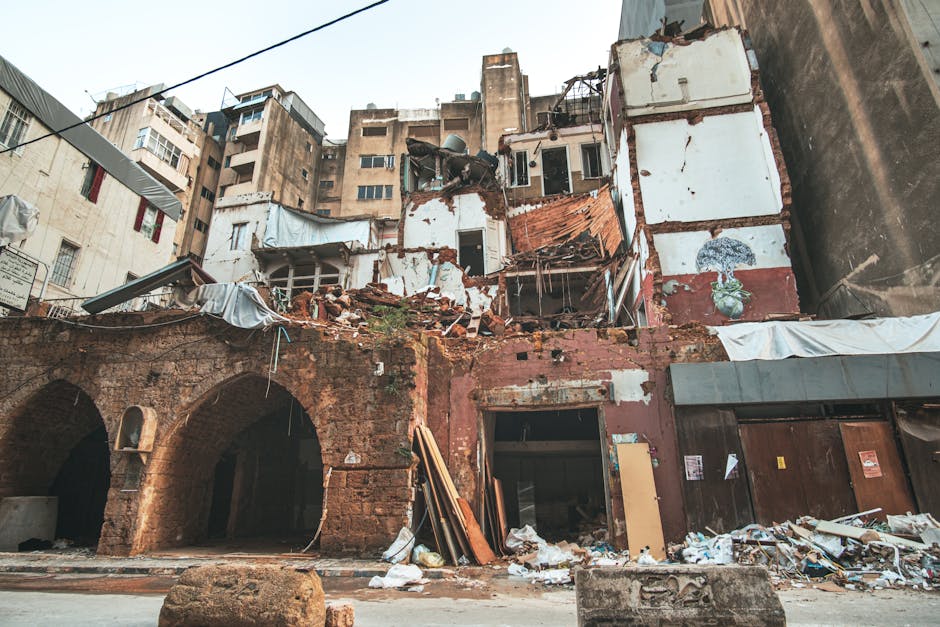
- Over 70% of displaced individuals in Beirut doubt the ceasefire’s ability to hold due to historical precedents and ongoing tensions.
- Previous ceasefires in the region have often been short-lived, leaving civilians vulnerable to renewed violence.
- The people of Beirut remain wary of the ceasefire’s success due to shattered trust from years of conflict.
- The city’s streets are filled with uncertainty and fear as the international community urges both sides to respect the agreement.
- The reasons behind the conflict are deeply ingrained, making a lasting resolution challenging to achieve.
The humanitarian crisis in Beirut has left thousands of Lebanese displaced and uncertain about their future, as a fragile ceasefire between Israel and Lebanon hangs in the balance. A striking fact is that over 70% of displaced individuals have expressed doubts about the ceasefire’s ability to hold, citing historical precedents and ongoing tensions. This skepticism is rooted in the knowledge that previous ceasefires have often been short-lived, leaving civilians vulnerable to renewed violence. As the international community urges both sides to respect the agreement, the people of Beirut remain wary, their trust shattered by years of conflict. The city’s streets, once bustling with life, are now filled with the sounds of uncertainty and fear.
The Road to Ceasefire

The path to the current ceasefire has been long and arduous, with multiple attempts at negotiation and mediation by international parties. The background to this conflict is complex, involving historical disputes over territory, resources, and ideology. The recent escalation of violence has resulted in significant human suffering, with many civilians caught in the crossfire. The international community has condemned the violence, calling for an immediate ceasefire and a return to diplomatic negotiations. Despite these efforts, the situation on the ground remains volatile, and the ceasefire is being tested daily. The reasons behind the conflict are deeply ingrained, making a lasting resolution challenging to achieve. As the world watches, the people of Beirut wait with bated breath, hoping that this ceasefire will be the start of a lasting peace.
Key Developments in the Conflict

The conflict between Israel and Lebanon has involved multiple parties and has been marked by periods of intense violence. Key details of the conflict include the involvement of various militant groups, the use of advanced weaponry, and the significant humanitarian impact on civilians. The international community has been engaged in efforts to broker a peace agreement, with several countries and organizations playing a role in the negotiations. The United Nations has been particularly active, with its peacekeeping forces deployed in the region to monitor the ceasefire and provide humanitarian assistance. Despite these efforts, challenges remain, including the need to address the root causes of the conflict and to ensure that all parties are committed to a lasting peace. The situation is further complicated by regional dynamics, with other countries in the Middle East watching the developments closely.
Analysis of the Ceasefire’s Chances of Success
Analysis of the ceasefire’s chances of success is mixed, with some experts pointing to the determination of the international community to support the agreement, while others highlight the deep-seated mistrust between the parties involved. Causes of the conflict are multifaceted, involving historical, political, and ideological factors. The effects of the conflict have been devastating, with significant loss of life, displacement of people, and destruction of infrastructure. Data on the conflict’s impact is startling, with thousands of civilians affected and a significant strain on regional resources. Expert opinions on the ceasefire’s durability vary, with some believing that it represents a genuine opportunity for peace, while others are more cautious, citing the need for ongoing vigilance and support from the international community. As the situation evolves, one thing is clear: the path to lasting peace will be long and challenging.
Implications for the People of Beirut
The implications of the ceasefire for the people of Beirut are profound, with many wondering if they can finally return to their homes and resume their lives. The ceasefire’s impact on civilians has been significant, with many affected by the violence and displacement. The humanitarian response has been robust, with aid organizations and governments providing support to those in need. However, the road to recovery will be long, and the people of Beirut will need ongoing support and assistance. The international community has a critical role to play in ensuring that the ceasefire holds and that the parties involved are supported in their efforts to achieve a lasting peace. For the people of Beirut, the hope is that this ceasefire will be the start of a new era of peace and stability, allowing them to rebuild their lives and their city.
Expert Perspectives
Expert perspectives on the ceasefire are varied, with some believing that it represents a significant opportunity for peace, while others are more skeptical. Contrasting viewpoints highlight the complexity of the issue, with some experts emphasizing the need for ongoing international support, while others believe that the parties involved must take ownership of the peace process. As the situation evolves, it is clear that there are no easy answers, and the path to lasting peace will require patience, persistence, and a commitment to dialogue and negotiation. The international community must continue to play a supportive role, encouraging the parties involved to work towards a peaceful resolution.
Looking forward, the question on everyone’s mind is what the future holds for the people of Beirut and the region as a whole. Will the ceasefire hold, or will violence resume? The answer to this question is uncertain, and only time will tell. One thing is clear, however: the international community must remain vigilant and supportive, encouraging the parties involved to continue on the path to peace. The people of Beirut deserve nothing less, and the world watches with hope that this ceasefire will be the start of a lasting and durable peace.