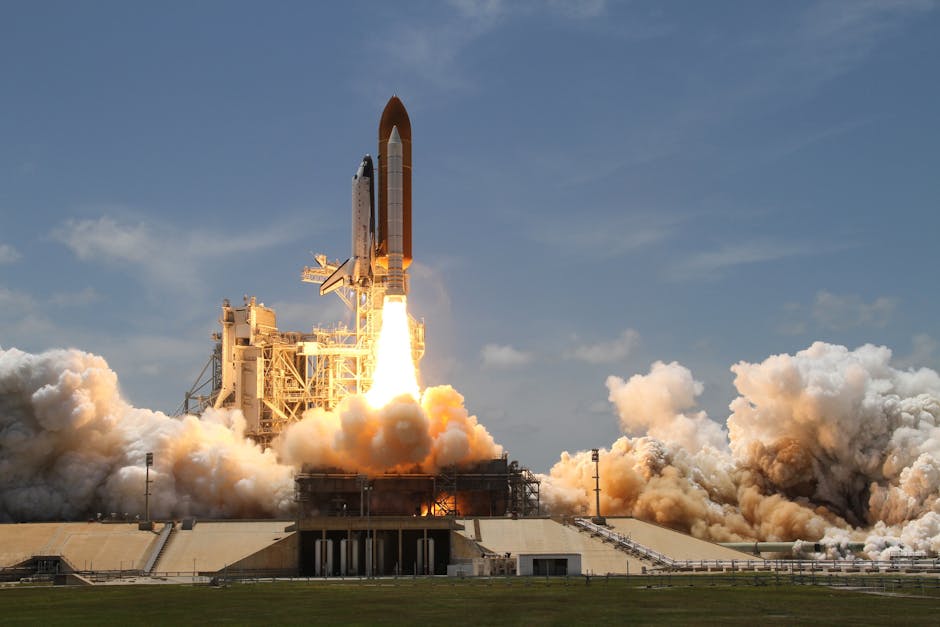
- Artemis II mission marked a significant step in NASA’s plans to return humans to the Moon by 2025.
- The successful 10-day lunar flyby tested the Orion spacecraft and the Space Launch System rocket.
- Astronauts described the mission as an ‘unbelievable adventure,’ highlighting the challenges and wonders of space travel.
- The mission provided valuable insights into the technologies and strategies needed for sustained lunar presence.
- Artemis II will play a crucial role in shaping future space travel and exploration missions.
The Artemis II mission has marked a significant milestone in space exploration, with its crew successfully completing a 10-day journey around the Moon. In their first press conference since splashing down, the astronauts recounted their experiences, describing the mission as an “unbelievable adventure”. This historic journey is part of NASA’s broader plans to return humans to the lunar surface by 2025 and establish a sustainable presence on the Moon. The crew’s testimony provides valuable insights into the challenges and wonders of space travel, highlighting the significance of the Artemis program for the future of space exploration.
Background and Significance

The Artemis II mission is a crucial step towards NASA’s ambitious goals for lunar and deep space exploration. By sending astronauts on a lunar flyby, the mission aims to test the capabilities of the Space Launch System (SLS) rocket and the Orion spacecraft, which will be used for future missions to the Moon and beyond. The success of Artemis II demonstrates the progress made by NASA and its partners in developing the necessary technologies and strategies for sustained human presence in space. As the space agency moves forward with its plans, the experiences and lessons learned from Artemis II will play a vital role in shaping the future of space travel.
Mission Details and Crew Experiences

The Artemis II crew, consisting of experienced astronauts, embarked on their journey aboard the Orion spacecraft, which was launched from Kennedy Space Center using the SLS rocket. During their 10-day mission, the crew conducted a series of tests and experiments, including a lunar flyby, which brought them within 4,000 miles of the Moon’s surface. The astronauts also tested the spacecraft’s systems and equipment, gathering crucial data that will inform future missions. In their press conference, the crew members shared their personal experiences, from the thrill of launch and the beauty of the Earth from space to the challenges of living and working in a microgravity environment for an extended period.
Analysis and Implications
The success of the Artemis II mission has significant implications for the future of space exploration. By demonstrating the capabilities of the SLS rocket and the Orion spacecraft, NASA has taken a major step towards establishing a sustainable human presence on the Moon and beyond. The mission’s findings and data will be used to improve the design and operation of future spacecraft, reducing risks and increasing efficiency. Furthermore, the Artemis program is expected to drive innovation and economic growth, creating new opportunities for industries and communities involved in space exploration. As NASA continues to push the boundaries of space travel, the Artemis II mission serves as a powerful reminder of human ingenuity and the potential for exploration and discovery.
Looking Ahead
The Artemis II mission is just the beginning of an exciting new chapter in space exploration. As NASA prepares for future missions, including the Artemis III lunar landing, the agency will build on the lessons learned and the successes achieved during the Artemis II journey. The crew’s experiences and insights will be invaluable in shaping the training and preparation of future astronauts, who will embark on even more challenging and ambitious missions. With the Artemis program, NASA is not only advancing our understanding of space but also inspiring new generations of scientists, engineers, and explorers, who will continue to push the boundaries of human knowledge and achievement.
Expert Perspectives
Space experts and analysts have praised the success of the Artemis II mission, highlighting its significance for the future of space exploration. While some have noted the challenges and risks associated with deep space travel, others have emphasized the potential benefits and opportunities presented by the Artemis program. As the space community continues to debate and discuss the implications of the mission, one thing is clear: the Artemis II crew has made history, and their journey will inspire and inform the next generation of space travelers.
As the world looks to the future of space exploration, the Artemis II mission serves as a powerful reminder of the importance of investment, innovation, and collaboration. With NASA and its partners pushing the boundaries of space travel, the question on everyone’s mind is: what’s next? Will the Artemis program achieve its ambitious goals, and what will be the impact on our understanding of the universe and our place within it? Only time will tell, but one thing is certain – the journey of the Artemis II crew will be remembered as a significant step towards a new era of space exploration and discovery.