- The muted response to the Iranian crisis in the West is largely due to public fatigue from prolonged military engagements.
- Previous anti-war protests have yielded few tangible outcomes, leading to widespread disillusionment among Western activists.
- The Iranian crisis is garnering less attention compared to conflicts in Gaza and Ukraine.
- The cumulative effect of past conflicts is contributing to a sense of apathy among Western citizens.
- Understanding the muted response to the Iranian crisis is crucial for policymakers, activists, and citizens alike.
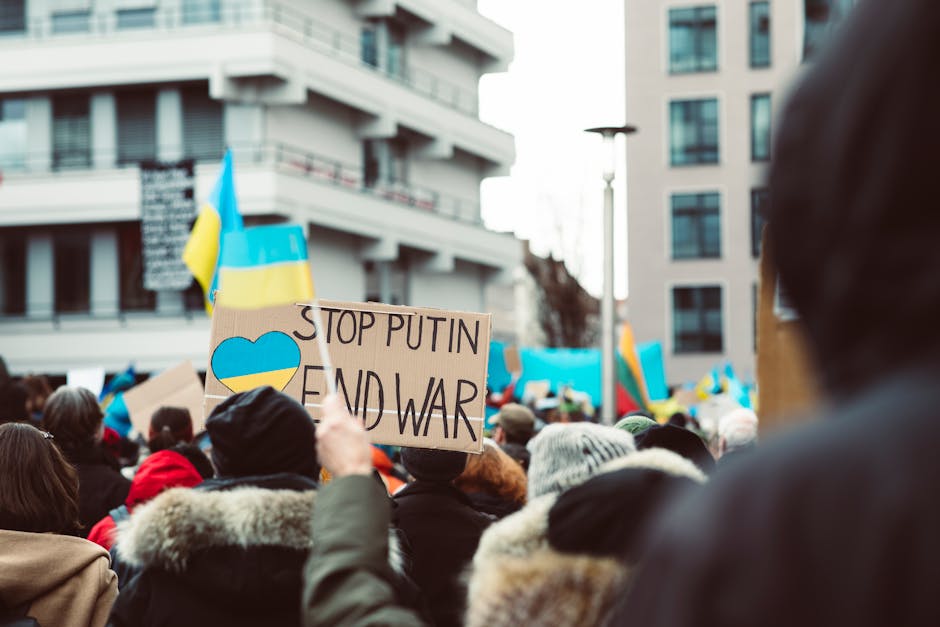
As tensions between the West and Iran continue to escalate, a striking fact has emerged: despite widespread global opposition to war, anti-war protests in Western countries have been noticeably muted. This trend is particularly evident when compared to the large-scale demonstrations that took place in response to conflicts in Gaza and Ukraine. The disparity in protest turnout raises important questions about the factors driving public engagement with international conflicts, and why the Iranian crisis seems to be garnering less attention from Western activists. With the world teetering on the brink of yet another devastating conflict, understanding the reasons behind this muted response is crucial for policymakers, activists, and citizens alike.
The Backdrop of Fatigue and Disillusionment

The muted response to the Iranian crisis can be attributed, in part, to the cumulative effect of prolonged military engagements and the perceived ineffectiveness of past protests. The wars in Afghanistan and Iraq, which began in the early 2000s, have contributed to a sense of fatigue among the public, as have more recent conflicts in Syria and Libya. Furthermore, the lack of tangible outcomes from previous anti-war efforts has led to widespread disillusionment, causing many to question the efficacy of protests in preventing or ending conflicts. This backdrop of fatigue and disillusionment provides a critical context for understanding the relatively subdued reaction to the escalating tensions with Iran.
Key Actors and Interests

The situation with Iran involves a complex interplay of key actors and interests, both within the region and globally. The United States, along with its allies, has been at the forefront of imposing economic sanctions on Iran and has engaged in a war of words with the Iranian government. Meanwhile, countries like China and Russia have adopted more nuanced stances, balancing their own economic and strategic interests with diplomatic efforts to de-escalate the situation. The European Union, caught in the middle, has struggled to present a unified front, reflecting the deep divisions within its member states regarding how to approach the Iranian crisis. Understanding these dynamics is essential for grasping the geopolitical implications of the conflict and why Western protests have been less intense.
Analyzing the Causes and Effects
An analysis of the causes and effects of the muted protests reveals a multifaceted issue. On one hand, the fear of being labeled as supportive of a regime with a questionable human rights record may deter some from openly protesting against military action. On the other hand, the lack of a clear, unified message from protest organizers and the difficulty in mobilizing public opinion around a complex, internationally driven conflict also play significant roles. Data from recent polls indicates a decline in public trust in institutions, which could further diminish the appeal of participating in protests. Expert analysis suggests that these factors, combined with the changing nature of warfare and international relations, have contributed to a shift in how conflicts are perceived and responded to by the public.
Implications for Global Peace and Security
The implications of the muted anti-war protests in the West are far-reaching, affecting not only the dynamics of the conflict with Iran but also the broader landscape of global peace and security. A diminished voice of dissent can embolden governments to pursue more aggressive foreign policies, potentially leading to an escalation of conflicts. Furthermore, the lack of public pressure to seek diplomatic solutions can result in missed opportunities for peace, exacerbating humanitarian crises and destabilizing entire regions. As the international community navigates these challenging times, the need for vigilant public engagement and advocacy for peaceful conflict resolution has never been more pressing.
Expert Perspectives
Experts offer contrasting viewpoints on the significance and implications of the muted protests. Some argue that the shift towards online activism and the use of social media as a tool for awareness and mobilization could be an equally, if not more, effective way of engaging with international conflicts. Others, however, lament the loss of the tangible, collective action that physical protests represent, suggesting that the absence of a strong, visible anti-war movement undermines the pursuit of peace and may embolden hawkish elements within governments. These perspectives highlight the complexity of the issue and the need for a nuanced understanding of the evolving nature of public engagement with conflict.
Looking forward, a critical question emerges: what will it take for Western publics to re-engage with the issue of war and peace, particularly in the context of the Iranian crisis? As geopolitical tensions continue to rise, the answer to this question will be pivotal in determining the course of international relations and global security. Will the traditional model of street protests and demonstrations regain prominence, or will new forms of activism and public engagement emerge as the primary drivers of change? The coming months will provide crucial insight into these questions, as the world watches with bated breath the unfolding drama of the Iranian conflict and the West’s response to it.