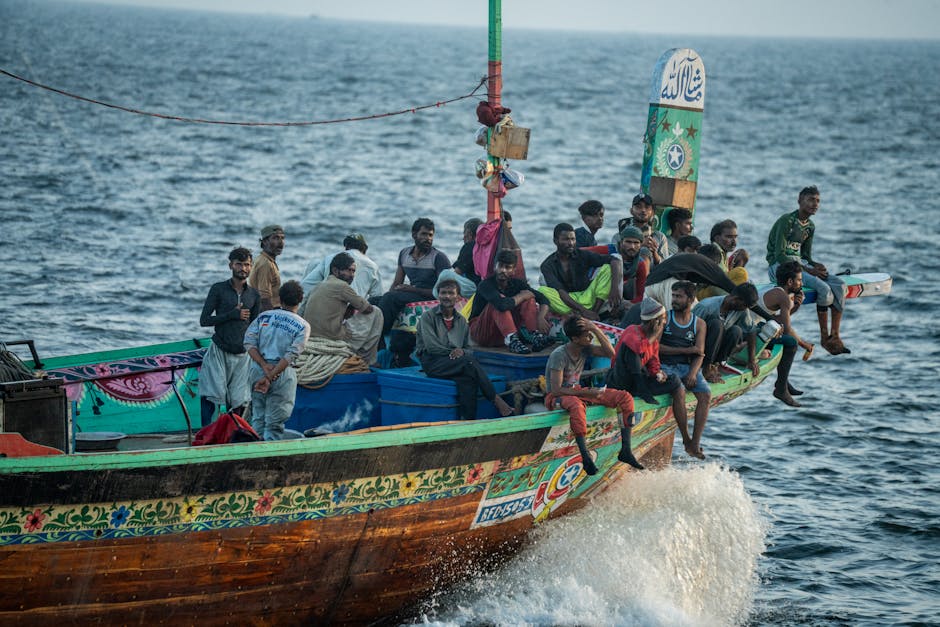
- A record number of Rohingya refugees died at sea last year, according to the UNHCR, highlighting the urgent need for increased support and protection.
- The Rohingya refugee crisis has been ongoing for years, but the latest figures suggest the situation is worsening with more refugees attempting to flee than ever before.
- Thousands of Rohingya refugees are risking their lives to escape persecution in their home country of Myanmar and find safety in South Asia.
- The UNHCR has warned of an ‘unmarked graveyard for thousands of desperate Rohingya refugees’ in South Asia, emphasizing the gravity of the situation.
- The international community must come together to provide a coordinated and effective response to the Rohingya refugee crisis, including increased funding and support.
The United Nations High Commissioner for Refugees (UNHCR) has reported a record number of Rohingya refugee deaths at sea last year, with thousands of desperate refugees risking their lives to escape persecution in their home country of Myanmar. The staggering statistic has led the UNHCR to warn of an ‘unmarked graveyard for thousands of desperate Rohingya refugees’ in South Asia, highlighting the urgent need for increased support and protection for these vulnerable individuals. The Rohingya refugee crisis has been ongoing for years, but the latest figures suggest that the situation is worsening, with more refugees than ever before attempting to flee their homes in search of safety.
The Rohingya Refugee Crisis: A Growing Concern

The Rohingya refugee crisis has been a major concern for the international community for several years, with the UNHCR and other humanitarian organizations working tirelessly to provide support and protection to those affected. However, despite these efforts, the situation continues to deteriorate, with thousands of Rohingya refugees facing increased danger and uncertainty. The root causes of the crisis are complex and multifaceted, involving issues of persecution, poverty, and lack of access to basic human rights. As the situation continues to worsen, it is essential that the international community comes together to provide a coordinated and effective response to the crisis, including increased funding, support, and protection for Rohingya refugees.
Key Details of the Crisis

The latest figures from the UNHCR reveal that a record number of Rohingya refugees died at sea last year, with many more reported missing or unaccounted for. The majority of these refugees were attempting to flee Myanmar, where they face persecution and violence at the hands of the military and other armed groups. The journey is fraught with danger, with refugees facing risks such as drowning, starvation, and exploitation by human traffickers. The UNHCR has reported that many of the refugees who have died at sea were women and children, highlighting the devastating impact of the crisis on the most vulnerable members of society. As the crisis continues to worsen, it is essential that the international community takes immediate action to provide support and protection to Rohingya refugees, including increased funding for humanitarian efforts and greater cooperation between governments and humanitarian organizations.
Analysis of the Crisis
Experts have warned that the Rohingya refugee crisis is a complex and multifaceted issue, requiring a coordinated and effective response from the international community. The root causes of the crisis involve issues of persecution, poverty, and lack of access to basic human rights, and addressing these underlying factors is essential to finding a long-term solution to the crisis. The UNHCR and other humanitarian organizations have called for increased funding and support for humanitarian efforts, as well as greater cooperation between governments and humanitarian organizations. Additionally, experts have highlighted the need for a more comprehensive and sustainable approach to addressing the crisis, including increased investment in education, healthcare, and economic development in the regions affected by the crisis. By working together, the international community can help to alleviate the suffering of Rohingya refugees and provide them with the support and protection they need to rebuild their lives.
Implications of the Crisis
The implications of the Rohingya refugee crisis are far-reaching and devastating, with thousands of refugees facing increased danger and uncertainty. The crisis has significant humanitarian, economic, and political implications, and addressing it will require a coordinated and effective response from the international community. The crisis has already had a significant impact on the regions affected, with many countries struggling to cope with the influx of refugees. Additionally, the crisis has significant implications for regional stability and security, with the potential to exacerbate existing tensions and conflicts. As the crisis continues to worsen, it is essential that the international community takes immediate action to provide support and protection to Rohingya refugees, including increased funding for humanitarian efforts and greater cooperation between governments and humanitarian organizations.
Expert Perspectives
Experts have expressed concern about the worsening situation, with many calling for increased action to address the root causes of the crisis. ‘The Rohingya refugee crisis is a humanitarian disaster of epic proportions,’ said one expert. ‘The international community must come together to provide a coordinated and effective response to the crisis, including increased funding for humanitarian efforts and greater cooperation between governments and humanitarian organizations.’ Another expert warned that the crisis has significant implications for regional stability and security, and that addressing it will require a comprehensive and sustainable approach. ‘The crisis is not just a humanitarian issue, but also a political and economic one,’ they said. ‘The international community must work together to address the underlying causes of the crisis and provide a long-term solution to the suffering of Rohingya refugees.’
As the crisis continues to worsen, it is essential that the international community remains vigilant and committed to providing support and protection to Rohingya refugees. The coming months will be critical in determining the course of the crisis, and it is essential that the international community takes immediate action to address the root causes of the crisis and provide a long-term solution to the suffering of Rohingya refugees. One key question that remains is how the international community will respond to the crisis, and whether they will be able to provide the necessary support and protection to Rohingya refugees. The answer to this question will have significant implications for the future of the crisis, and the lives of thousands of Rohingya refugees who are counting on the international community for help.