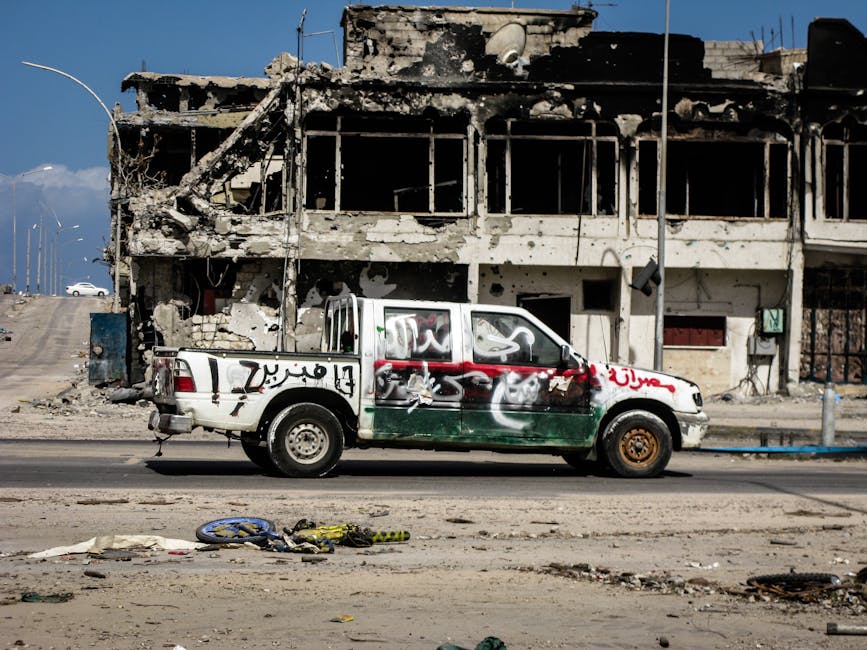
- Pope Leo XIV visited Bamenda, Cameroon’s northwest region, to urge warring parties to engage in dialogue.
- The conflict in Cameroon’s northwest region is rooted in an Anglophone crisis, sparked by perceived marginalization of the English-speaking minority.
- The Pope’s visit is seen as a significant step towards resolving the longstanding conflict, which has caused immense human suffering.
- Separatist groups in Cameroon have taken up arms against the government, leading to human rights abuses and extrajudicial killings.
- The international community has been calling for a peaceful resolution to the conflict, with the Pope’s visit being a major effort in this direction.
The northwest region of Cameroon has been embroiled in a longstanding conflict that has claimed countless lives and displaced thousands of people. In a bid to bring peace to the troubled area, Pope Leo XIV recently visited Bamenda, the capital city of the Northwest Region, where he urged the warring parties to lay down their arms and engage in dialogue. The Pope’s visit is seen as a significant step towards resolving the conflict, which has been ongoing for years, causing immense human suffering and destabilizing the entire region.
Background to the Conflict

The conflict in Cameroon’s northwest region is rooted in a long-standing Anglophone crisis, which began as a protest against the perceived marginalization of the English-speaking minority by the French-speaking majority. The crisis escalated into a full-blown conflict, with separatist groups taking up arms against the government. The conflict has been marked by human rights abuses, including extrajudicial killings, torture, and forced disappearances. The international community has been calling for a peaceful resolution to the conflict, and the Pope’s visit is seen as a major effort in this direction.
The Pope’s Visit

Pope Leo XIV’s visit to Bamenda was a highly symbolic gesture, aimed at bringing attention to the plight of the people affected by the conflict. During his visit, the Pope met with local leaders, including the governor of the Northwest Region, and held a mass in the city’s stadium, which was attended by thousands of people. The Pope’s message of peace and reconciliation was well-received by the crowd, and his call for an end to violence was seen as a major step towards resolving the conflict. The Pope also visited a local hospital, where he met with victims of the conflict and offered them words of comfort and support.
Analysis of the Conflict
The conflict in Cameroon’s northwest region is complex and multifaceted, involving a range of actors, including the government, separatist groups, and local communities. The conflict has been fueled by a range of factors, including poverty, unemployment, and a sense of marginalization among the English-speaking minority. The international community has been criticized for its slow response to the crisis, and the Pope’s visit is seen as a major effort to raise awareness about the conflict and push for a peaceful resolution. According to experts, the key to resolving the conflict lies in addressing the underlying grievances of the English-speaking minority and finding a way to accommodate their demands within the framework of the Cameroonian state.
Implications of the Conflict
The conflict in Cameroon’s northwest region has far-reaching implications, not just for the country, but for the entire region. The conflict has already spilled over into neighboring countries, including Nigeria, and has the potential to destabilize the entire region. The humanitarian crisis caused by the conflict is also a major concern, with thousands of people displaced and in need of assistance. The Pope’s visit is seen as a major effort to bring attention to the humanitarian crisis and push for a peaceful resolution to the conflict. The international community is being called upon to provide support to the affected communities and to help find a lasting solution to the crisis.
Expert Perspectives
Experts have welcomed the Pope’s visit as a major step towards resolving the conflict. According to Dr. Joseph Takougang, a Cameroonian expert on the Anglophone crisis, the Pope’s visit is a significant development, which has the potential to bring the warring parties to the negotiating table. However, other experts have cautioned that the road to peace will be long and difficult, and will require the commitment of all parties involved. As Dr. Laura Cunningham, a conflict resolution expert, noted, “the Pope’s visit is just the beginning, and it will take a lot of hard work and dedication to find a lasting solution to the conflict”.
As the situation in Cameroon’s northwest region continues to unfold, the international community will be watching with bated breath to see if the Pope’s visit will mark a turning point in the conflict. Will the warring parties heed the Pope’s call for peace and engage in dialogue, or will the conflict continue to escalate? Only time will tell, but one thing is certain – the Pope’s visit has brought attention to the crisis and has pushed the international community to take action to resolve the conflict. As the world waits with anticipation to see what the future holds for Cameroon, one thing is clear – the need for peace and reconciliation in the troubled region has never been more urgent.