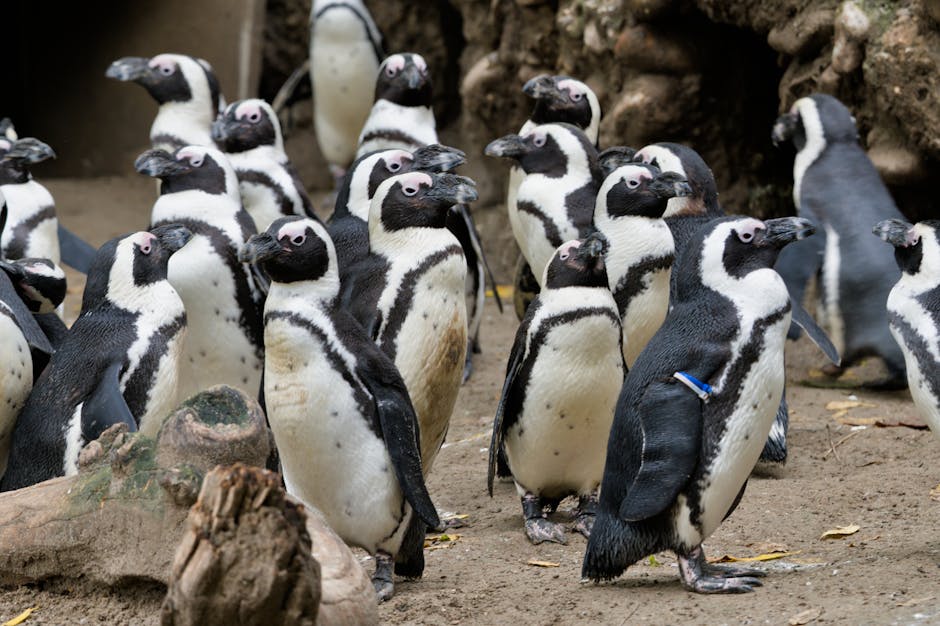
- Penguins are ingesting high levels of PFAS pollution, indicating a widespread environmental issue.
- PFAS are synthetic chemicals used in various products like non-stick cookware and firefighting foam, raising health and ecological concerns.
- The discovery of PFAS in penguin habitats highlights the necessity for urgent conservation actions.
- PFAS pollution is a growing problem, with the need to reduce these substances in the environment becoming increasingly urgent.
- Vulnerable species like penguins are at risk, underscoring the importance of studying PFAS effects on wildlife.
A striking fact has emerged in the scientific community: penguins are ingesting high levels of per- and polyfluoroalkyl substances (PFAS) pollution, which has sparked concerns about the impact on their health and the ecosystem as a whole. The discovery was made by a team of researchers who studied the levels of PFAS in penguin habitats and found alarming results. With the rise of PFAS pollution in recent years, it has become essential to investigate its effects on wildlife, particularly in vulnerable species like penguins. The findings have significant implications for the conservation of penguin populations and the need for urgent action to mitigate the effects of PFAS pollution.
The Growing Problem of PFAS Pollution

The issue of PFAS pollution has been a growing concern in recent years, with studies revealing the widespread presence of these substances in the environment. PFAS are a group of synthetic chemicals used in various products, including non-stick cookware, food packaging, and firefighting foam. While they have been useful in various applications, their persistence in the environment and potential health risks have raised alarms. The fact that penguins are now being affected by PFAS pollution highlights the need for immediate attention to this issue and the importance of finding solutions to reduce the levels of these substances in the environment. As the world grapples with the challenges of environmental pollution, the impact on vulnerable species like penguins serves as a stark reminder of the urgency of the problem.
Key Findings and Research Methods

The research team behind the study used a combination of field observations and laboratory analysis to investigate the levels of PFAS in penguin habitats. They collected samples from various locations, including penguin colonies and surrounding water sources, and analyzed them for the presence of PFAS. The results showed that penguins are ingesting high levels of PFAS, which is likely to have adverse effects on their health and reproductive success. The study also identified the main sources of PFAS pollution in penguin habitats, including runoff from nearby industrial sites and the use of PFAS-containing products in the surrounding areas. The findings have significant implications for the management of penguin populations and the need for targeted conservation efforts to protect these vulnerable species.
Causes and Consequences of PFAS Pollution
The causes of PFAS pollution are complex and multifaceted, involving the widespread use of these substances in various products and industries. The consequences of PFAS pollution are equally far-reaching, with potential health risks for both humans and wildlife. In the case of penguins, the ingestion of PFAS has been linked to a range of health problems, including reproductive issues, immune system dysfunction, and increased susceptibility to disease. The fact that penguins are apex predators in their ecosystems means that the effects of PFAS pollution can have cascading impacts on the entire food chain, highlighting the need for urgent action to address this issue. As the scientific community continues to investigate the effects of PFAS pollution, it is essential to consider the broader implications for ecosystem health and the need for sustainable solutions to mitigate the problem.
Implications for Penguin Populations
The implications of PFAS pollution for penguin populations are significant, with potential effects on their health, reproductive success, and overall survival. The fact that penguins are ingesting high levels of PFAS highlights the need for targeted conservation efforts to protect these vulnerable species. This may involve measures such as reducing the use of PFAS-containing products in penguin habitats, implementing effective waste management strategies, and promoting sustainable practices to minimize the release of PFAS into the environment. As the world works to address the challenges of environmental pollution, the conservation of penguin populations serves as a critical reminder of the importance of protecting vulnerable species and preserving ecosystem health.
Expert Perspectives
Experts in the field of environmental science and conservation biology have weighed in on the issue of PFAS pollution in penguin habitats, offering contrasting viewpoints on the severity of the problem and the need for action. Some experts argue that the effects of PFAS pollution on penguins are still unclear and require further research, while others emphasize the urgent need for conservation efforts to protect these vulnerable species. As the debate continues, it is essential to consider the broader implications of PFAS pollution for ecosystem health and the need for sustainable solutions to mitigate the problem. By bringing together experts from various fields, it is possible to develop a comprehensive understanding of the issue and identify effective strategies for addressing the challenges posed by PFAS pollution.
Looking to the future, it is essential to continue monitoring the levels of PFAS pollution in penguin habitats and assessing the impacts on these vulnerable species. This may involve ongoing research and surveillance, as well as the development of effective conservation strategies to protect penguin populations. As the world works to address the challenges of environmental pollution, the conservation of penguins serves as a critical reminder of the importance of protecting vulnerable species and preserving ecosystem health. The question remains: what will it take to mitigate the effects of PFAS pollution and ensure the long-term survival of penguin populations?