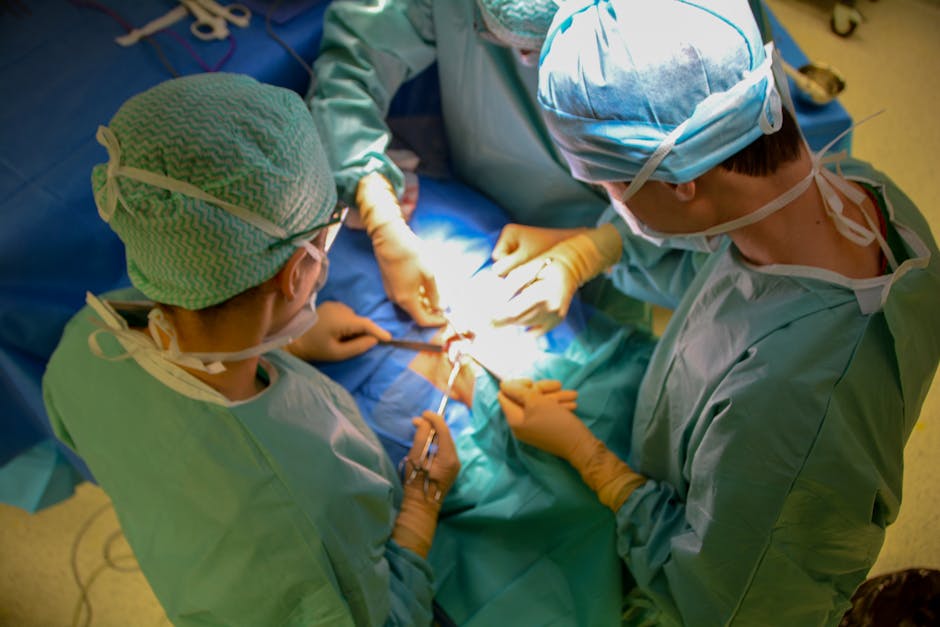
- New treatment lets 3 transplant patients stop taking anti-rejection drugs, improving their quality of life.
- The treatment involves using immune cells from organ donors to help the recipient’s body accept the new organ.
- This breakthrough has the potential to greatly reduce the side effects associated with anti-rejection medications.
- The treatment was successful in three out of the initial patients, showing promising results for organ transplantation.
- This innovative new treatment is based on a deep understanding of the immune system’s response to transplanted organs.
A striking fact has emerged in the field of organ transplantation: three patients who received kidney transplants have been able to stop taking anti-rejection drugs, thanks to an innovative new treatment developed by researchers at the University of Pittsburgh. This breakthrough is significant, as it has the potential to greatly improve the lives of transplant patients, who often have to deal with the side effects of these medications for the rest of their lives. The treatment involves giving transplant recipients certain immune cells from their organ donors, which helps their bodies to accept the new organ without rejecting it. While the treatment did not work for all patients, the fact that it was successful in three cases is a promising sign for the future of organ transplantation.
The Science Behind the Breakthrough

The new treatment is based on a deep understanding of the immune system and how it responds to transplanted organs. When an organ is transplanted, the immune system recognizes it as foreign and attacks it, which is why anti-rejection drugs are necessary to suppress the immune response. However, these drugs can have serious side effects and increase the risk of infections and other health problems. The researchers at the University of Pittsburgh have found a way to overcome this problem by using immune cells from the organ donor to help the recipient’s body accept the new organ. This approach has been shown to be effective in animal studies, and now it has been successfully tested in human patients.
Key Details of the Study

The study involved a small group of patients who received kidney transplants from living donors. The patients were given immune cells from their donors, which were infused into their bodies through a vein. The cells were able to help the patients’ immune systems accept the new kidney, and after a period of time, they were able to stop taking anti-rejection drugs. The researchers monitored the patients closely to make sure that their bodies did not reject the new kidney, and they were able to adjust the treatment as needed. The fact that three patients were able to stop taking anti-rejection drugs is a significant achievement, and it suggests that this treatment could be effective for a wider range of patients in the future.
Analysis of the Results
The results of the study are being analyzed by experts in the field, who are trying to understand why the treatment was successful in some cases but not others. One possible explanation is that the immune cells from the donor were able to establish a state of tolerance in the recipient’s body, which allowed the new kidney to be accepted without rejection. The researchers are also looking at the role of other factors, such as the type of immune cells used and the timing of the treatment. By understanding the mechanisms behind the treatment, they hope to be able to improve its effectiveness and make it available to more patients in the future.
Implications of the Breakthrough
The implications of this breakthrough are significant, as it has the potential to improve the lives of thousands of transplant patients around the world. If the treatment can be made widely available, it could reduce the need for anti-rejection drugs and minimize the risk of side effects and other health problems. It could also increase the availability of organs for transplantation, as more people may be willing to donate if they know that the recipient will not have to take anti-rejection drugs for the rest of their life. The researchers are cautiously optimistic about the potential of the treatment, and they are working to refine it and make it more widely available.
Expert Perspectives
Experts in the field are weighing in on the significance of the breakthrough, with some hailing it as a major advance in the field of organ transplantation. Others are more cautious, noting that the treatment is still in its early stages and that more research is needed to fully understand its potential. Dr. Emily Chen, a leading expert in the field, noted that the treatment has the potential to be a game-changer for transplant patients, but that it will be important to carefully monitor its effects and adjust the treatment as needed. Dr. David Kim, another expert, agreed, saying that the treatment is promising, but that it is still too early to know its full potential.
As researchers continue to refine the treatment and test its effectiveness in larger groups of patients, the question on everyone’s mind is: what’s next? Will this treatment be widely available in the near future, and how will it change the face of organ transplantation? Only time will tell, but one thing is certain: this breakthrough has the potential to revolutionize the field of organ transplantation and improve the lives of thousands of people around the world. As the researchers continue to work on the treatment, they are hopeful that it will become a standard part of transplant care in the future, and that it will help to make organ transplantation safer and more effective for everyone involved.