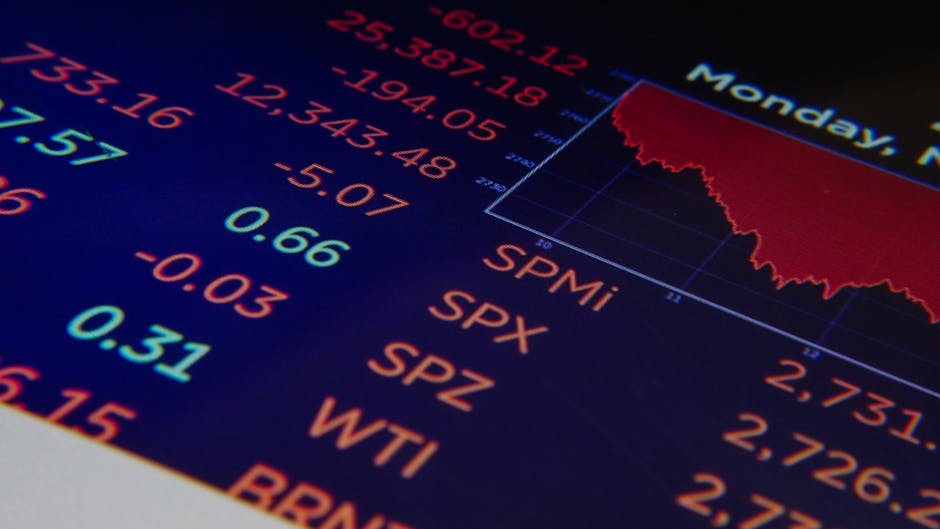
- The ETF industry has grown rapidly, but new strategies may not be able to withstand market downturns, leaving investors vulnerable.
- A recent study found that many ETFs lack necessary risk management mechanisms to cope with extreme volatility.
- Innovative ETFs, such as sector-specific or leveraged/inverse investing products, pose significant risks during market turmoil.
- Leveraged ETFs can result in significant losses if the market moves against the investor.
- Inverse ETFs can be highly volatile and may not provide expected returns during market downturns.
The exchange-traded fund (ETF) industry has experienced rapid growth in recent years, with assets under management surpassing $6 trillion. This expansion has been driven in part by the introduction of innovative ETF strategies, which offer investors a wide range of options for managing their portfolios. However, some experts warn that these new strategies may not be able to withstand the stresses of a violent market downturn, potentially leaving investors vulnerable to significant losses. In fact, a recent study found that many ETFs may not have the necessary risk management mechanisms in place to cope with extreme volatility, highlighting the need for caution among investors.
The Rise of Innovative ETFs

The ETF industry has undergone significant changes in recent years, with the introduction of new and innovative products. These include ETFs that track specific sectors or industries, such as technology or healthcare, as well as those that utilize complex investment strategies, such as leveraged or inverse investing. While these products have been popular among investors, they also pose significant risks, particularly during periods of market turmoil. For example, leveraged ETFs, which use debt to amplify returns, can result in significant losses if the market moves against the investor. Similarly, inverse ETFs, which are designed to perform well when the market declines, can be highly volatile and may not provide the expected returns.
Key Risks and Concerns

One of the primary concerns surrounding innovative ETFs is their lack of transparency. Many of these products utilize complex investment strategies and derivatives, making it difficult for investors to understand the underlying risks. Additionally, some ETFs may have high fees and expenses, which can eat into investor returns. Furthermore, the use of leverage and other risky investment strategies can increase the potential for significant losses, particularly during periods of market stress. For instance, during the 2020 market downturn, many leveraged ETFs experienced significant declines, with some losing as much as 90% of their value. This highlights the need for investors to carefully consider the risks and potential consequences of investing in these products.
Market Volatility and ETF Performance
Market volatility can have a significant impact on the performance of ETFs, particularly those that utilize complex investment strategies. During periods of high volatility, these products can experience significant declines in value, potentially resulting in substantial losses for investors. Furthermore, the use of leverage and other risky investment strategies can exacerbate these losses, particularly if the market moves against the investor. For example, during the 2008 financial crisis, many ETFs that utilized leveraged investment strategies experienced significant declines, with some losing as much as 90% of their value. This highlights the need for investors to carefully consider the potential risks and consequences of investing in these products, particularly during periods of market turmoil.
Implications for Investors
The potential risks and consequences of investing in innovative ETFs have significant implications for investors. During periods of market turmoil, these products can experience significant declines in value, potentially resulting in substantial losses. Furthermore, the lack of transparency and high fees associated with some ETFs can make it difficult for investors to understand the underlying risks and make informed investment decisions. As such, it is essential for investors to carefully consider the potential risks and consequences of investing in these products and to develop a comprehensive investment strategy that takes into account their individual financial goals and risk tolerance.
Expert Perspectives
Experts have differing opinions on the potential risks and consequences of investing in innovative ETFs. Some argue that these products can provide investors with valuable investment opportunities and can help to diversify portfolios. However, others warn that the complex investment strategies and lack of transparency associated with some ETFs can pose significant risks to investors, particularly during periods of market turmoil. For example, one expert noted that “investors need to be aware of the potential risks and consequences of investing in these products and to carefully consider their individual financial goals and risk tolerance before making an investment decision.”
Looking ahead, it is essential for investors to remain vigilant and to carefully consider the potential risks and consequences of investing in innovative ETFs. As the market continues to evolve, it is likely that new and innovative products will be introduced, posing both opportunities and challenges for investors. As such, it is crucial for investors to develop a comprehensive investment strategy that takes into account their individual financial goals and risk tolerance, and to carefully evaluate the potential risks and consequences of investing in any product. By doing so, investors can help to ensure that they are well-positioned to navigate the complexities of the market and to achieve their long-term financial goals.