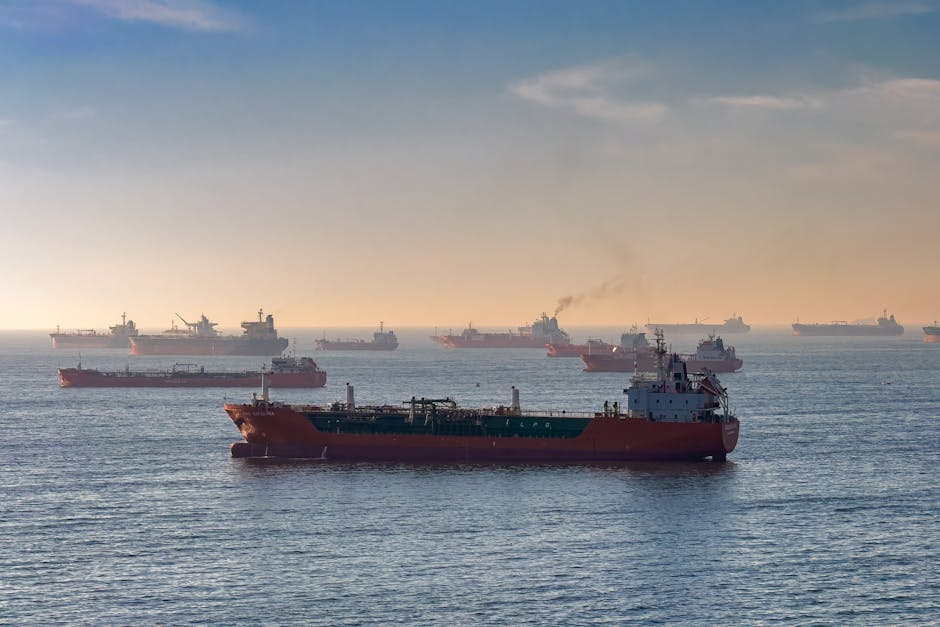
- The Strait of Hormuz is a critical chokepoint for international trade, with over 17 million barrels of oil passing through it every day.
- The US has increased its naval presence in the region to prevent Iranian-linked ships from using the passage, raising concerns among oil-producing nations and shipping companies.
- The Strait of Hormuz is a vital artery for the transportation of crude oil, with over 20% of the world’s oil supply passing through it.
- The current blockade has significant implications for global trade and security, with the US and Iran engaging in a tense standoff.
- The US has long been concerned about the security of the Strait of Hormuz due to its strategic importance and Iran’s potential to disrupt the flow of oil.
The Strait of Hormuz, a narrow waterway connecting the Persian Gulf to the Gulf of Oman, has become a focal point of escalating tensions between the US and Iran, with the former having blocked Iranian-linked vessels from using the passage, in a move that has significant implications for global trade and security. The blockade, which has been in place since early 2020, has raised concerns among oil-producing nations and shipping companies, as the strait is a vital artery for the transportation of crude oil, with over 20% of the world’s oil supply passing through it. The US Navy has increased its presence in the region, with American military ships patrolling the strait and monitoring the movement of vessels, in an effort to prevent Iranian-linked ships from using the passage.
The Strategic Importance of the Strait of Hormuz

The Strait of Hormuz is a critical chokepoint for international trade, with over 17 million barrels of oil passing through it every day, making it a vital component of the global energy supply chain. The strait is also a key transportation route for liquefied natural gas and other commodities, with many countries relying on it to meet their energy needs. The US has long been concerned about the security of the strait, given its strategic importance and the potential for Iran to disrupt the flow of oil, which could have significant economic and geopolitical implications. The current blockade is the latest development in a long-standing dispute between the US and Iran, which has been marked by periods of heightened tension and confrontation.
The Blockade: How it Works

The US Navy has implemented a blockade of the Strait of Hormuz, which involves the deployment of American military ships to the region, to monitor and intercept Iranian-linked vessels. The blockade is enforced through a combination of naval patrols, surveillance, and intelligence gathering, with the US working closely with its allies in the region to identify and track vessels suspected of being linked to Iran. The US has also established a coalition of nations, known as the International Maritime Security Construct, to provide security for ships passing through the strait, and to deter Iranian aggression. The blockade has been effective in preventing Iranian-linked vessels from using the passage, but it has also raised concerns among shipping companies and oil-producing nations, which are worried about the potential for escalation and the impact on global trade.
Causes and Effects of the Blockade
The blockade of the Strait of Hormuz is a response to Iran’s aggressive behavior in the region, including its support for militant groups and its development of ballistic missiles. The US has accused Iran of attempting to disrupt the flow of oil through the strait, and of posing a threat to international shipping, which has prompted the US to take action to protect its interests and those of its allies. The blockade has had significant effects on the region, with oil prices rising in response to the increased tensions and the potential for disruption to the global energy supply chain. The blockade has also had an impact on the Iranian economy, which is heavily reliant on oil exports, and has been subject to stringent sanctions imposed by the US. The effects of the blockade are likely to be felt for some time, as the situation in the region continues to evolve and the US and Iran engage in a war of words and actions.
Implications of the Blockade
The blockade of the Strait of Hormuz has significant implications for global trade and security, with the potential for disruption to the flow of oil and other commodities. The blockade has raised concerns among oil-producing nations, which are worried about the impact on their economies and the potential for escalation. The blockade has also had an impact on shipping companies, which are having to navigate the complex and treacherous waters of the strait, while avoiding Iranian-linked vessels. The US has encouraged other vessels to use the passage, despite the risks, and has provided security for ships passing through the strait, but the situation remains volatile and unpredictable, with the potential for further escalation and confrontation.
Expert Perspectives
Experts are divided on the effectiveness of the blockade, with some arguing that it is a necessary measure to protect international shipping and prevent Iranian aggression, while others argue that it is a provocative move that is likely to escalate tensions in the region. According to Dr. Sanam Vakil, a Middle East expert at Chatham House, “the blockade is a high-risk strategy that could have significant consequences for the region and the global economy.” In contrast, Dr. Michael Rubin, a resident scholar at the American Enterprise Institute, argues that “the blockade is a necessary measure to protect US interests and prevent Iranian aggression, and that it is a key component of a broader strategy to contain Iranian influence in the region.” The debate among experts highlights the complexity and uncertainty of the situation, and the need for a nuanced and multifaceted approach to addressing the challenges posed by Iran.
As the situation in the region continues to evolve, it remains to be seen how the blockade will play out, and what the long-term implications will be for global trade and security. The US and Iran are engaged in a war of words and actions, with the potential for further escalation and confrontation, and the international community is watching with bated breath, as the situation unfolds. The key question is what will happen next, and how the US and Iran will navigate the complex and treacherous waters of the Strait of Hormuz, and the broader region. Will the blockade be effective in preventing Iranian aggression, or will it escalate tensions and lead to further confrontation? Only time will tell, but one thing is certain, the situation in the Strait of Hormuz will remain a major focus of attention for the international community, for the foreseeable future.