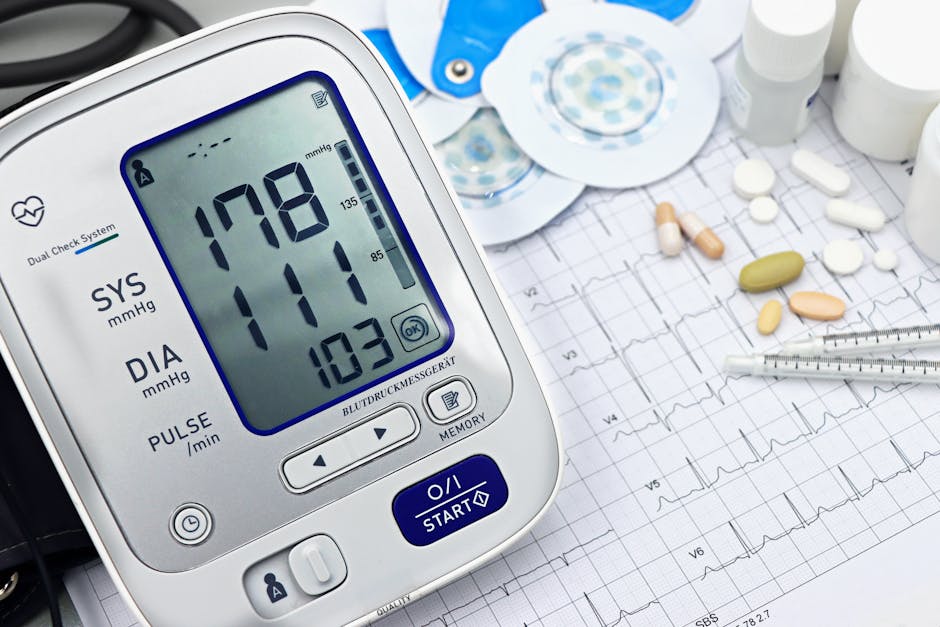
- Lowering blood pressure below 120 mm Hg may significantly reduce the risk of heart attack, stroke, and heart failure.
- New research suggests aiming for a systolic blood pressure below 120 mm Hg could have a profound impact on heart health.
- The optimal approach to blood pressure management may be more aggressive than previously thought.
- Lower blood pressure targets could lead to far-reaching consequences for public health and hypertension management.
- Recent studies have challenged the traditional threshold for concern, suggesting even lower blood pressure levels are beneficial.
A striking fact has emerged in the realm of cardiovascular health: lowering blood pressure to previously unheard-of levels may be the key to significantly reducing the risk of heart attack, stroke, and heart failure. According to new research, aiming for a systolic blood pressure below 120 mm Hg could have a profound impact on heart health, eclipsing the benefits of higher targets. This revelation has significant implications for the millions of people worldwide who struggle with hypertension, and raises important questions about the optimal approach to blood pressure management.
The Evolution of Blood Pressure Guidelines

The question of how low blood pressure should go has been a topic of debate among medical professionals for years. As our understanding of the complex relationships between blood pressure, cardiovascular disease, and overall health has grown, so too have the guidelines for managing hypertension. Previously, a systolic blood pressure of 140 mm Hg was considered the threshold for concern, but recent studies have suggested that even lower levels may be beneficial. With the latest research, it appears that the pendulum may be swinging in favor of even more aggressive blood pressure management, with potentially far-reaching consequences for public health.
Unpacking the Latest Research

The new study, which utilized large datasets and sophisticated simulation models, found that keeping systolic blood pressure below 120 mm Hg could reduce the risk of heart attack, stroke, and heart failure more than higher targets. This is a significant finding, as it suggests that the current guidelines may not be ambitious enough in their pursuit of optimal blood pressure levels. The researchers used advanced statistical techniques to analyze the data, taking into account a range of factors that can influence blood pressure and cardiovascular risk. By doing so, they were able to identify a clear pattern: the lower the blood pressure, the lower the risk of cardiovascular disease.
Delving Deeper into the Data
A closer examination of the data reveals that the benefits of lower blood pressure targets are not limited to a specific subset of the population. Rather, the research suggests that everyone, regardless of age, sex, or pre-existing medical conditions, can benefit from more aggressive blood pressure management. This is a critical finding, as it underscores the importance of a proactive approach to cardiovascular health. By working to lower blood pressure through a combination of lifestyle modifications and, when necessary, medication, individuals can take a significant step towards reducing their risk of heart attack, stroke, and other cardiovascular events.
Implications for Public Health
The implications of this research are far-reaching, with significant potential consequences for public health. If widely adopted, the new blood pressure targets could lead to a substantial reduction in the incidence of cardiovascular disease, which remains one of the leading causes of death and disability worldwide. Furthermore, the findings of this study could inform the development of new guidelines and treatment protocols, helping to ensure that patients receive the most effective care possible. As the medical community continues to grapple with the challenges of hypertension management, this research provides a timely and important reminder of the need for a proactive, evidence-based approach to cardiovascular health.
Expert Perspectives
Experts in the field are weighing in on the new research, with some hailing it as a major breakthrough in the pursuit of optimal blood pressure management. Others, however, are urging caution, noting that the findings must be carefully considered in the context of individual patient needs and circumstances. As one expert noted, “While the research is compelling, it is essential to remember that blood pressure management is not a one-size-fits-all proposition. Patients must work closely with their healthcare providers to determine the best approach for their unique situation.”
As the medical community continues to evolve its understanding of blood pressure and cardiovascular health, one thing is clear: the pursuit of optimal blood pressure levels is an ongoing journey, not a destination. With new research emerging all the time, it will be important to stay tuned for further developments, and to consider the implications of this study in the context of the broader landscape of cardiovascular health. What does the future hold for blood pressure management, and how will the latest research inform our approach to this critical aspect of public health? Only time will tell, but one thing is certain: the conversation has just begun, and it promises to be a fascinating one.