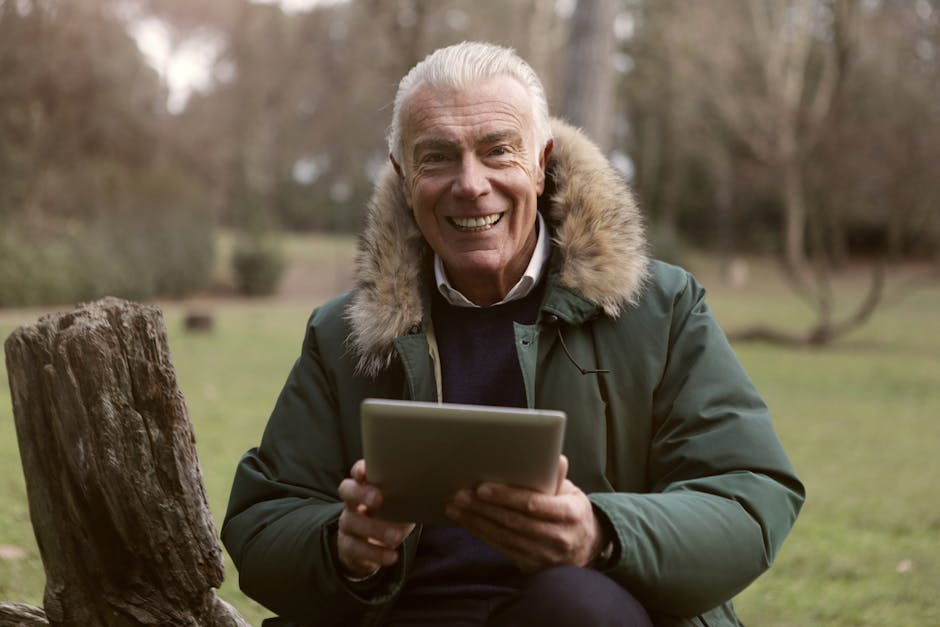
- Elderly Japanese people are taking courses to learn smartphone skills, reducing digital divide and ‘analogue isolation’.
- Japan’s aging population is driving the demand for mobile technology education, with 28% of citizens aged 65 or older.
- Community centers and organizations are providing workshops on mobile technology to bridge the gap for seniors.
- Learning to use smartphones has given many elderly Japanese people a sense of independence and confidence.
- Mobile technology is helping seniors stay connected with friends and family, access services, and explore the world.
In a bid to stay connected in an increasingly digital world, elderly Japanese people are flocking to courses that teach them how to navigate mobile devices. For many, the idea of clicking and scrolling through tiny screens is a daunting task, but with the help of patient instructors, they are slowly mastering the art of smartphone usage. In Tokyo, seniors can be found gathered around tables, intently watching as their teachers demonstrate the basics of mobile technology. It’s a heartening sight, as these determined individuals work to bridge the digital divide and avoid what has come to be known as ‘analogue isolation’.
Breaking Down Barriers

The phenomenon of elderly people learning to use smartphones is not unique to Japan, but the country’s rapidly aging population makes it a particularly pressing issue. With over 28% of its citizens aged 65 or older, Japan is facing a significant challenge in ensuring that its seniors remain connected and engaged with the rest of society. By providing courses and workshops on mobile technology, community centers and organizations are helping to break down the barriers that have traditionally prevented older people from embracing digital technology. As a result, many elderly Japanese people are discovering a newfound sense of independence and confidence, as they learn to use their smartphones to stay in touch with friends and family, access important services, and explore the world around them.
Overcoming Frustration

For many of the seniors attending these courses, the experience is not without its challenges. Frustration and confusion are common, as they struggle to come to terms with the complexities of mobile technology. ‘I can’t deal with all of the apps that jump out at me,’ says one elderly woman, throwing up her hands in exasperation. ‘How do I know if I’ve definitely ended a call?’ asks another, highlighting the difficulties that many older people face when trying to navigate the often-counterintuitive world of smartphones. Despite these challenges, however, the seniors persevering, driven by a determination to stay connected and engaged with the world around them.
Expert Guidance
The key to the success of these courses lies in the patient and expert guidance provided by the instructors. Many of the teachers are themselves seniors, who have undergone extensive training to learn how to teach mobile technology to their peers. This approach has proven to be highly effective, as the students are able to relate to their teachers and feel more at ease when asking questions or seeking help. The instructors are also careful to tailor their lessons to the specific needs and interests of their students, recognizing that each person has their own unique goals and motivations for learning to use a smartphone. By taking a personalized approach, the teachers are able to help their students build confidence and develop the skills they need to stay connected and engaged in the digital age.
A New Era of Connectivity
The implications of this trend are far-reaching, with the potential to transform the lives of elderly people across Japan. As more and more seniors learn to use smartphones, they will be able to access a wide range of services and resources that were previously out of reach. From online shopping and banking to social media and video conferencing, the possibilities are endless, and the benefits are clear. By staying connected and engaged, elderly people can reduce their risk of isolation and loneliness, while also improving their overall health and wellbeing. As Japan continues to grapple with the challenges of an aging population, the spread of smartphone technology among seniors offers a beacon of hope for a more connected and compassionate society.
Expert Perspectives
Experts in the field of gerontology and digital technology are hailing the trend as a major breakthrough, with the potential to improve the lives of millions of elderly people around the world. ‘This is a game-changer for seniors,’ says one expert, ‘as it allows them to stay connected and engaged with the world around them, while also accessing a wide range of services and resources.’ Others, however, are more cautious, warning that the benefits of smartphone technology must be balanced against the potential risks, such as social isolation and decreased physical activity. As the debate continues, one thing is clear: the spread of smartphone technology among seniors is a trend that is here to stay, and one that has the potential to transform the lives of elderly people in profound and lasting ways.
As we look to the future, it will be interesting to see how the trend of seniors learning to use smartphones continues to evolve. Will we see a rise in the development of age-friendly apps and services, designed specifically with the needs of older people in mind? How will the spread of smartphone technology among seniors impact the way we think about aging and digital technology? These are just a few of the questions that will be worth watching in the months and years to come, as Japan’s elderly population continues to embrace the digital age with enthusiasm and determination.