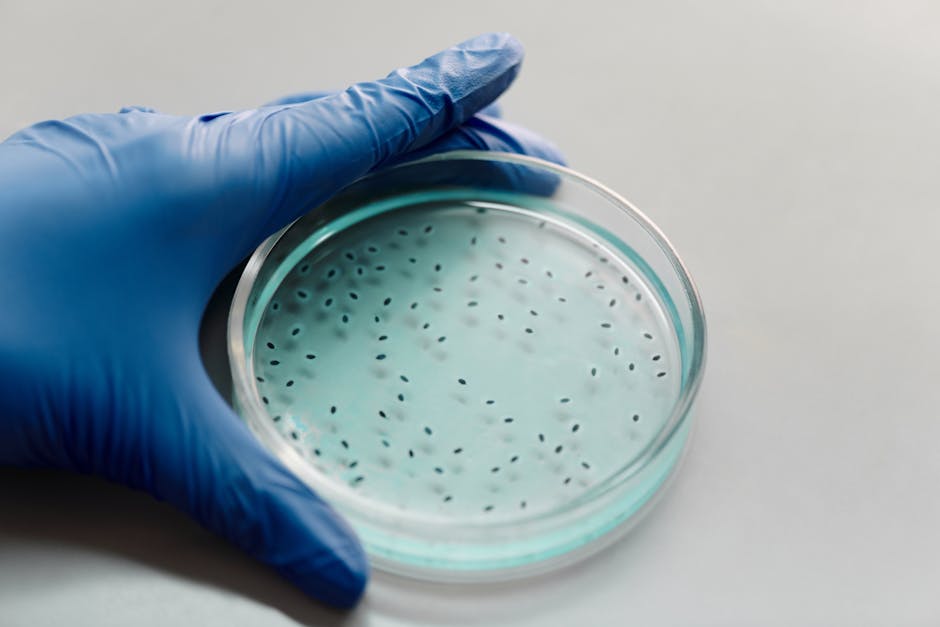
- Bacteria can explode to spread antibiotic resistance through gene transfer agents (GTAs), a process that raises concerns about the rapid dissemination of resistance genes.
- Gene transfer agents (GTAs) are tiny virus-like particles repurposed by bacteria as delivery systems to shuttle DNA between neighboring cells.
- The discovery highlights the significance of understanding how bacteria share genes and combat antibiotic-resistant superbugs.
- Bacteria have co-opted GTAs to serve as vectors for gene transfer, allowing them to share advantageous traits with their neighbors.
- The rise of antibiotic-resistant infections poses a significant threat to global health, making this discovery particularly relevant.
A striking fact has emerged in the realm of microbiology: bacteria can literally explode to spread antibiotic resistance. This phenomenon, uncovered by a team of scientists, has significant implications for our understanding of how bacteria share genes and how we might combat the growing threat of antibiotic-resistant superbugs. The discovery centers on tiny virus-like particles called gene transfer agents (GTAs), which have been repurposed by bacteria into delivery systems that shuttle DNA between neighboring cells. This process, while fascinating, also raises concerns about the potential for the rapid dissemination of resistance genes among bacterial populations.
The Mechanism of Gene Transfer

The background to this discovery is rooted in the ongoing quest to understand how bacteria communicate and share genetic material. Bacteria have long been known to exchange genes through various mechanisms, including conjugation, transformation, and transduction. However, the role of GTAs in this process has only recently come to light. These ancient viral invaders have been co-opted by bacteria to serve as vectors for gene transfer, allowing them to share advantageous traits, such as antibiotic resistance, with their neighbors. This matters now more than ever, as the rise of antibiotic-resistant infections poses a significant threat to global health.
Key Details of the Discovery

The study reveals a key control hub of three genes, dubbed LypABC, that triggers bacterial cells to burst open and release these DNA-packed couriers. This process, while dramatic, is a highly regulated mechanism that ensures the efficient transfer of genetic material. The LypABC genes act as a switch, controlling the production and release of GTAs. When activated, these genes initiate a series of events that culminate in the bacterial cell exploding, releasing GTAs into the environment, where they can be taken up by other bacteria. This discovery provides new insights into the complex social behaviors of bacteria and how they adapt to their environments.
Analysis of the Findings
An analysis of the causes and effects of this phenomenon suggests that the explosion mechanism is an adaptation to enhance the spread of beneficial genes within bacterial populations. The use of GTAs as delivery systems allows for the efficient transfer of large DNA fragments, including those conferring antibiotic resistance. This has significant implications for our understanding of how resistance genes disseminate among bacterial populations. Furthermore, the discovery of the LypABC control hub provides a potential target for the development of novel therapeutic strategies aimed at disrupting gene transfer and mitigating the spread of antibiotic resistance.
Implications for Public Health
The implications of this discovery are far-reaching, affecting not just our understanding of bacterial genetics but also public health policy. The ability of bacteria to explode and release resistance genes into the environment means that the spread of antibiotic-resistant infections could be more rapid and widespread than previously thought. This underscores the need for vigilant monitoring of antibiotic use and resistance patterns, as well as the development of new antimicrobial therapies. Moreover, it highlights the importance of basic research into the mechanisms of bacterial gene transfer, which can inform strategies to combat the rise of superbugs.
Expert Perspectives
Experts in the field offer contrasting viewpoints on the significance of this discovery. Some see it as a groundbreaking finding that opens new avenues for research into bacterial communication and gene transfer. Others caution that while the discovery is intriguing, its implications for public health are still speculative and require further investigation. Despite these differing perspectives, there is a consensus that the study contributes significantly to our understanding of bacterial biology and the mechanisms underlying the spread of antibiotic resistance.
Looking forward, the key question is what this means for the future of antibiotic therapy and how we can leverage this knowledge to develop novel strategies to combat resistance. As researchers continue to unravel the complexities of bacterial gene transfer, we may uncover new targets for intervention or innovative approaches to preventing the spread of resistance genes. The explosion mechanism, while dramatic, serves as a reminder of the sophisticated social behaviors of bacteria and the need for equally sophisticated approaches to outmaneuver them in the battle against antibiotic resistance.