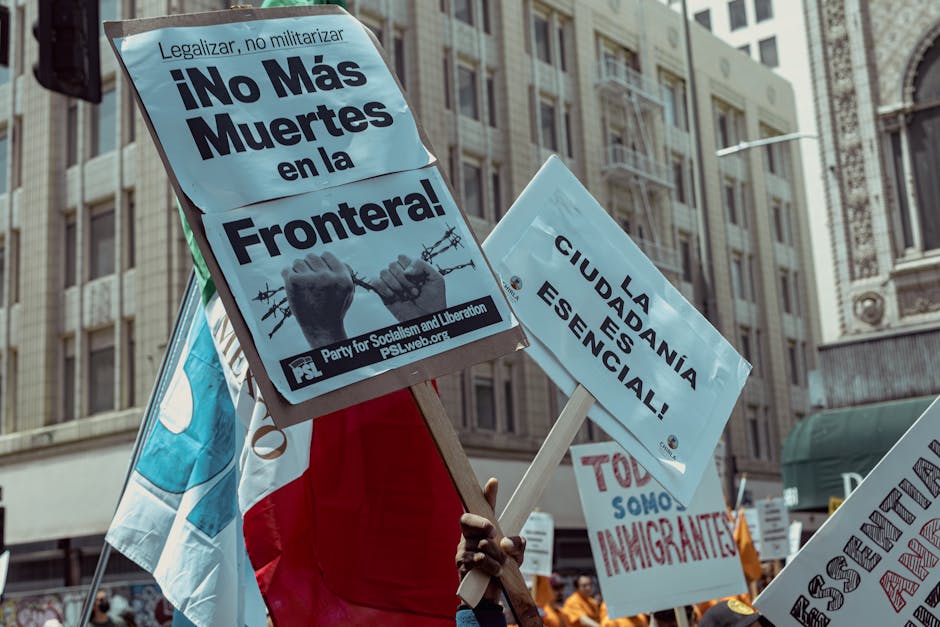
- The US House of Representatives voted to extend temporary protections for nearly 350,000 Haitians living in the US with a 60% majority.
- Ten Republicans joined forces with Democrats to extend the Temporary Protected Status (TPS) for Haitian immigrants.
- The decision highlights the growing divide between the White House and Congress on immigration issues.
- The US House is pushing for a more humane approach to treating immigrants from countries affected by natural disasters or conflict.
- The TPS extension affects the lives of hundreds of thousands of people who have made the US their home.
The US House of Representatives has voted to extend temporary protections for nearly 350,000 Haitians living in the United States, in a move that is being seen as a significant rebuke to the Trump administration’s immigration policies. The vote, which was passed with a majority of 60%, saw ten Republicans join forces with Democrats to extend the Temporary Protected Status (TPS) for Haitian immigrants. This decision is a striking fact, as it highlights the growing divide between the White House and Congress on immigration issues, with the House pushing for a more humane approach to the treatment of immigrants from countries affected by natural disasters or conflict.
The History of TPS and Its Importance

The Temporary Protected Status program was established in 1990 to provide temporary relief to immigrants from countries affected by natural disasters, conflict, or other crises. The program has been used to protect immigrants from a range of countries, including Haiti, which was devastated by a massive earthquake in 2010. The extension of TPS for Haitians is a critical issue, as it affects the lives of hundreds of thousands of people who have made the United States their home. The decision to extend TPS is also significant, as it reflects a growing recognition of the need to provide a safe haven for immigrants who are fleeing persecution, violence, or natural disasters in their home countries.
The Key Players and Details of the Vote

The vote to extend TPS for Haitians was a significant moment in the ongoing debate over immigration policy in the United States. The decision was the result of a concerted effort by Democrats and some Republicans to push back against the Trump administration’s efforts to terminate the TPS program for Haitians. The vote saw ten Republicans join forces with Democrats to pass the extension, which will provide relief to nearly 350,000 Haitians living in the United States. The key players in the vote included Democratic leaders, such as Speaker of the House Nancy Pelosi, who played a crucial role in mobilizing support for the extension, as well as Republican lawmakers who broke with their party to support the measure.
Analysis of the Causes and Effects of the Vote
The vote to extend TPS for Haitians is a significant development in the ongoing debate over immigration policy in the United States. The decision reflects a growing recognition of the need to provide a safe haven for immigrants who are fleeing persecution, violence, or natural disasters in their home countries. The extension of TPS for Haitians will have a significant impact on the lives of hundreds of thousands of people, providing them with a temporary reprieve from the threat of deportation. However, the decision is also likely to be seen as a rebuke to the Trump administration’s immigration policies, which have been criticized for being overly restrictive and inhumane. According to data from the Congressional Budget Office, the extension of TPS for Haitians will also have a positive impact on the US economy, as it will allow Haitian immigrants to continue working and contributing to the economy.
Implications of the Vote for Haitian Immigrants
The implications of the vote to extend TPS for Haitians are significant, as it will provide relief to hundreds of thousands of people who have made the United States their home. The extension of TPS will allow Haitian immigrants to continue living and working in the United States, without the fear of deportation. The decision will also have a significant impact on the families of Haitian immigrants, who will be able to remain together in the United States. However, the vote is also a reminder that the future of TPS remains uncertain, and that Haitian immigrants will need to continue to fight to maintain their status in the United States.
Expert Perspectives
Experts have welcomed the vote to extend TPS for Haitians, but have also cautioned that the decision is only a temporary solution to a much larger problem. According to immigration expert, Rachel Schmidt, “the extension of TPS for Haitians is a critical step in providing relief to hundreds of thousands of people who are living in fear of deportation. However, the decision is also a reminder that the US immigration system is in need of comprehensive reform, to provide a permanent solution for immigrants who are fleeing persecution, violence, or natural disasters in their home countries.” Other experts have also highlighted the need for a more humane approach to immigration policy, one that takes into account the complexities of the issue and the need to provide a safe haven for those who are fleeing danger.
Looking to the future, it remains to be seen how the Trump administration will respond to the vote to extend TPS for Haitians. The administration has been critical of the TPS program, and has sought to terminate it for a range of countries, including Haiti. However, the vote is a significant setback for the administration’s immigration policies, and reflects a growing recognition of the need to provide a safe haven for immigrants who are fleeing persecution, violence, or natural disasters in their home countries. As the debate over immigration policy continues, it is likely that the issue of TPS will remain a contentious one, with lawmakers and advocates pushing for a more humane approach to the treatment of immigrants.