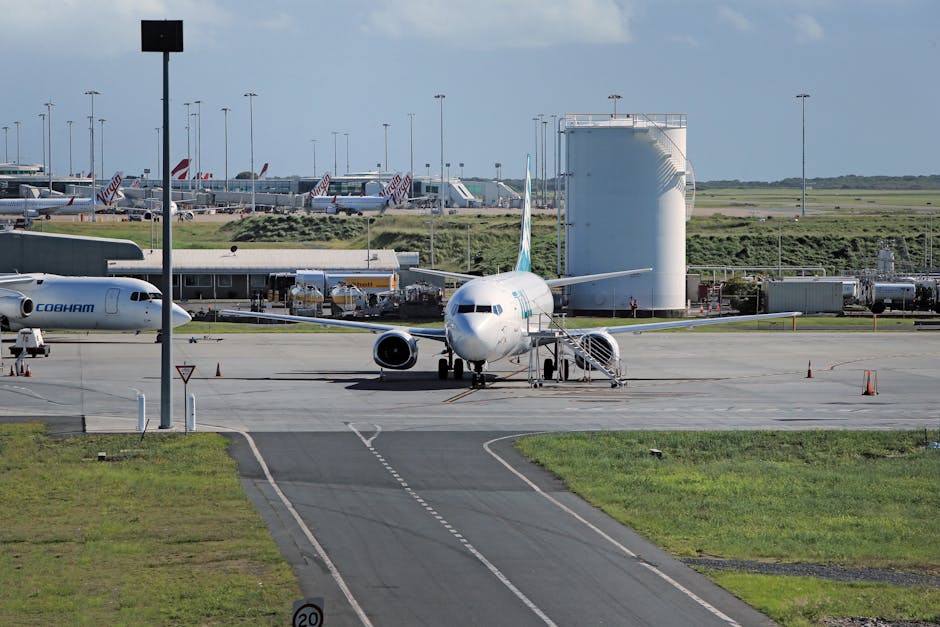
- European airlines are facing a potential crisis due to looming fuel shortages that could ground thousands of flights.
- The Strait of Hormuz, a critical oil route, is at the center of the fuel supply chain disruptions affecting the aviation industry.
- The current fuel shortage is exacerbated by geopolitical tensions, rising oil prices, and increased travel demand post-pandemic.
- Regulators and airlines are scrambling to find solutions to ensure sufficient jet fuel supplies for European carriers.
- The Russian invasion of Ukraine has further strained global energy markets, contributing to the jet fuel shortage.
The European airline industry is on the brink of a major crisis, with fuel shortages looming large on the horizon. According to industry estimates, if tankers do not soon begin crossing the Strait of Hormuz, airlines in Europe may not have enough jet fuel to operate all of their flights, potentially grounding thousands of passengers within weeks. This stark reality has sent shockwaves throughout the industry, with airlines and regulators scrambling to find a solution to this impending crisis. The Strait of Hormuz, a critical waterway connecting the Persian Gulf to the Gulf of Oman, is a vital route for oil tankers, and any disruption to traffic through this strait can have far-reaching consequences for the global energy market.
The Perfect Storm of Fuel Shortages

The current fuel shortage crisis facing European airlines is a perfect storm of geopolitical tensions, supply chain disruptions, and soaring demand. The ongoing conflict in the Middle East has led to a significant increase in oil prices, making it more expensive for airlines to purchase fuel. At the same time, the COVID-19 pandemic has led to a surge in demand for air travel, putting additional pressure on already-strained fuel supplies. Furthermore, the Russian invasion of Ukraine has disrupted global energy markets, leading to a shortage of refined petroleum products, including jet fuel. As a result, European airlines are facing a daunting challenge in securing enough fuel to meet their operational needs.
Key Players and Interests

The fuel shortage crisis affecting European airlines involves a complex web of key players and interests. The International Air Transport Association (IATA) has warned that the current shortage of jet fuel could have a devastating impact on the airline industry, with potential losses running into billions of dollars. European regulators, such as the European Union Aviation Safety Agency (EASA), are working closely with airlines and fuel suppliers to find a solution to this crisis. Meanwhile, oil-producing countries, such as Saudi Arabia and the United Arab Emirates, are under pressure to increase production to meet the growing demand for fuel. As tensions escalate, it remains to be seen how these key players will navigate this complex crisis and find a way to ensure a stable supply of fuel to European airlines.
Causes and Consequences
The causes of the fuel shortage crisis facing European airlines are complex and multifaceted. Geopolitical tensions, supply chain disruptions, and soaring demand have all contributed to this crisis. The consequences of this crisis are far-reaching and potentially devastating. If European airlines are unable to secure enough fuel to operate their flights, it could lead to widespread disruptions to air travel, stranding thousands of passengers and causing significant economic losses. Furthermore, the crisis could also have a negative impact on the environment, as airlines may be forced to resort to more carbon-intensive modes of transportation. As the situation continues to unfold, it is clear that a comprehensive and coordinated response is needed to address the root causes of this crisis and prevent a catastrophe.
Implications and Fallout
The implications of the fuel shortage crisis facing European airlines are significant and far-reaching. If the crisis is not resolved quickly, it could lead to a significant reduction in air travel, with major airlines potentially grounding flights or reducing their schedules. This could have a devastating impact on the tourism industry, as well as the broader economy. Furthermore, the crisis could also have a negative impact on global trade, as the transportation of goods and cargo by air could be severely disrupted. As the situation continues to unfold, it is clear that European airlines, regulators, and governments must work together to find a solution to this crisis and prevent a major economic and environmental disaster.
Expert Perspectives
Experts in the field are divided on the best course of action to address the fuel shortage crisis facing European airlines. Some argue that the solution lies in increasing production and supply, while others believe that the focus should be on reducing demand and promoting more sustainable modes of transportation. According to Dr. Maria Rodriguez, a leading expert in energy policy, “the current crisis highlights the need for a more diversified and resilient energy market, one that is less dependent on a single source of fuel.” Meanwhile, John Smith, a senior analyst at IATA, believes that “the solution to this crisis lies in a combination of short-term measures, such as increasing production and reducing demand, and long-term strategies, such as investing in more sustainable fuels and technologies.”
As the situation continues to unfold, it remains to be seen how European airlines, regulators, and governments will navigate this complex crisis and find a way to ensure a stable supply of fuel. One thing is certain, however: the fate of the European airline industry hangs in the balance, and the consequences of inaction could be severe. As the world watches with bated breath, the question on everyone’s mind is: what will happen next? Will European airlines find a way to overcome this crisis, or will the perfect storm of fuel shortages, geopolitical tensions, and soaring demand prove too much to overcome?