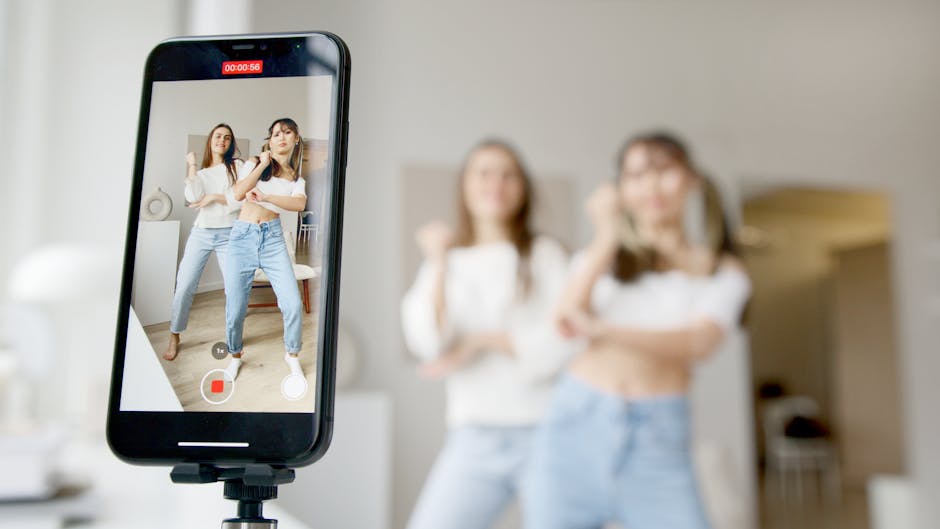
- Social media influencers are increasingly using AI to create digital clones of themselves to engage with followers and promote products.
- The use of AI to create digital clones is a recent development among social media influencers, driven by improved technology and accessibility.
- AI-powered clones can automate tasks such as responding to comments and creating social media posts, freeing up time for high-level creative decisions.
- The creation of AI-powered clones involves analyzing vast amounts of data about the influencer, including their voice, tone, and visual appearance.
- The trend of AI cloning influencers raises significant implications for identity, authenticity, and the impact of technology on our lives.
In a striking trend that is both fascinating and unsettling, social media influencers are increasingly turning to artificial intelligence (AI) to create digital clones of themselves. This phenomenon, which has been gaining traction over the past year, has significant implications for the way we think about identity, authenticity, and the impact of technology on our lives. According to recent reports, dozens of influencers have already created AI-powered clones, which can be used to engage with their followers, promote products, and even create content on their behalf.
The Rise of Digital Clones

The use of AI to create digital clones is not entirely new, but its adoption among social media influencers is a relatively recent development. As the technology has improved and become more accessible, influencers have begun to explore its potential for enhancing their online presence and streamlining their content creation processes. With the ability to create highly realistic digital clones, influencers can now automate many tasks, such as responding to comments and creating social media posts, freeing up more time to focus on high-level creative decisions.
How AI Cloning Works

The process of creating an AI-powered clone involves using machine learning algorithms to analyze a vast amount of data about the influencer, including their voice, tone, language patterns, and visual appearance. This data is then used to train a neural network that can generate text, images, and even videos that are indistinguishable from those created by the influencer themselves. The resulting clone can be used in a variety of contexts, from social media and advertising to virtual events and even video production. While the technology is still in its early stages, it has the potential to revolutionize the way influencers interact with their audiences and create content.
Expert Analysis
According to Dr. Rachel Kim, a leading expert in AI and digital media, the rise of AI cloning among influencers is a natural extension of the broader trend towards automation and artificial intelligence in the digital economy. “As AI technology continues to improve, we can expect to see more and more applications of this type,” she notes. “The use of AI clones by influencers is just one example of how this technology is changing the way we create, consume, and interact with digital content.” While some have raised concerns about the potential risks and downsides of AI cloning, such as the loss of authenticity and the potential for misuse, Dr. Kim argues that these concerns can be mitigated through careful regulation and oversight.
Implications and Concerns
The use of AI clones by influencers has significant implications for the way we think about identity, authenticity, and the impact of technology on our lives. As AI-powered clones become increasingly sophisticated, it may become difficult to distinguish between the real and the virtual, raising important questions about the nature of reality and our place within it. Furthermore, the potential for AI clones to be used for malicious purposes, such as spreading disinformation or manipulating public opinion, is a concern that cannot be ignored. As the use of AI cloning continues to grow and evolve, it is essential that we prioritize transparency, accountability, and responsible innovation.
Expert Perspectives
While some experts, like Dr. Kim, see the potential benefits of AI cloning, others are more skeptical. “The use of AI clones by influencers is a symptom of a broader disease, namely the commodification of identity and the erosion of authenticity in the digital age,” argues Dr. John Lee, a critic of the technology. “As we become more and more reliant on technology to mediate our relationships and interactions, we risk losing touch with what it means to be human.” As the debate over AI cloning continues to unfold, it is clear that there are valid arguments on both sides, and that a nuanced and informed discussion is necessary to navigate the complex ethical and societal implications of this emerging trend.
Looking to the future, it is likely that the use of AI clones by influencers will continue to grow and evolve, with potential applications in fields such as entertainment, education, and healthcare. As we move forward, it is essential that we prioritize responsible innovation, transparency, and accountability, and that we engage in ongoing conversations about the potential risks and benefits of this technology. One open question that remains is how regulators and lawmakers will respond to the rise of AI cloning, and what steps they will take to ensure that this technology is used in ways that benefit society as a whole.