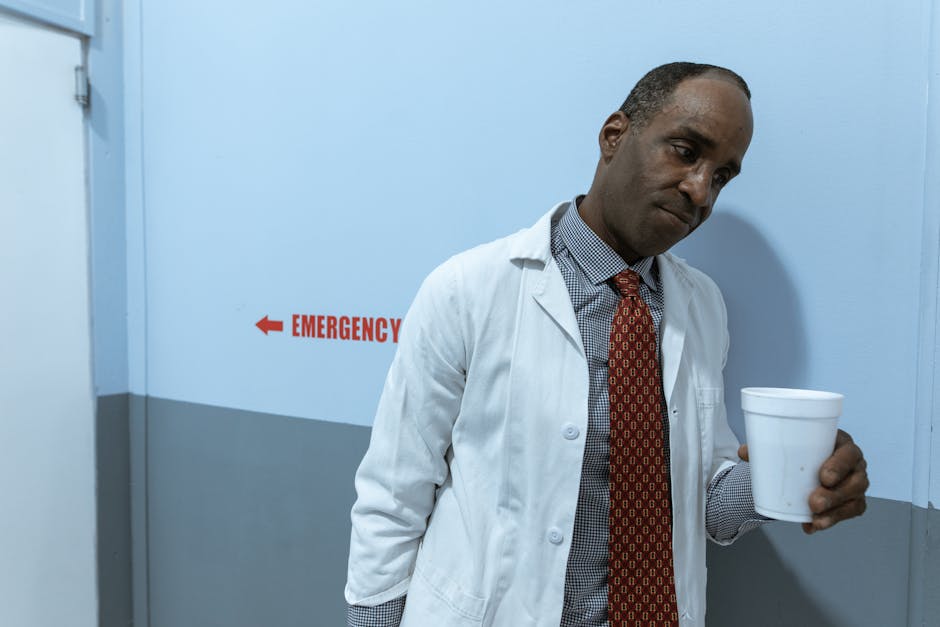
- Nearly every medical professional in emergency rooms has experienced some form of trauma.
- The emotional burden of working in healthcare affects the quality of care provided to patients.
- Long hours, high stress, and traumatic events contribute to burnout, compassion fatigue, and PTSD in healthcare professionals.
- The demand for healthcare services has increased the emotional burden on medical professionals.
- Support is needed to mitigate the effects of trauma on mental health and well-being in the healthcare industry.
The statistics are striking: nearly every medical professional working in emergency rooms today has experienced some form of trauma. This staggering reality is the focus of the medical drama ‘The Pitt’, which sheds light on the often-overlooked emotional burden of working in healthcare. On top of the daily toll of treating patients, the show’s medical providers bring their own scars to the E.R., making it a challenging and emotionally draining work environment. As the show reveals, the trauma experienced by healthcare professionals is not just a personal issue, but also a professional one that affects the quality of care provided to patients.
The Human Cost of Healthcare

The medical drama ‘The Pitt’ is not just a television show, but a reflection of the harsh realities faced by healthcare professionals every day. The show’s portrayal of medical providers struggling to cope with their own trauma is a stark reminder of the human cost of working in healthcare. As the demand for healthcare services continues to rise, the emotional burden on medical professionals is becoming increasingly unsustainable. With long hours, high stress, and exposure to traumatic events, it is no wonder that many healthcare professionals are experiencing burnout, compassion fatigue, and even PTSD. The question is, what can be done to support these individuals and mitigate the effects of trauma on their mental health and well-being?
Behind the Scenes of ‘The Pitt’

So, what happens when the people responsible for saving lives are struggling to save their own? The medical drama ‘The Pitt’ takes a closer look at the lives of medical professionals working in emergency rooms, where the stakes are high and the pressure is intense. From the nurses and doctors to the hospital administrators, every character in the show has their own unique story and struggles. As the show progresses, it becomes clear that each character is bringing their own personal trauma to the workplace, which affects not only their relationships with colleagues but also their ability to provide care to patients. With its realistic portrayal of the challenges faced by healthcare professionals, ‘The Pitt’ is a must-watch for anyone interested in the healthcare industry.
Understanding the Impact of Trauma
Trauma is a pervasive issue in the healthcare industry, affecting not only medical professionals but also patients and families. The impact of trauma can be far-reaching, from increased stress and anxiety to decreased job satisfaction and increased turnover rates. Furthermore, trauma can also affect the quality of care provided to patients, as medical professionals struggling with their own trauma may be less able to empathize with patients or provide the level of care needed. To address this issue, hospitals and healthcare organizations must prioritize the mental health and well-being of their employees, providing access to counseling services, stress management programs, and other forms of support. By acknowledging the impact of trauma on medical professionals, we can work towards creating a healthier and more sustainable work environment.
The Broader Implications
The trauma experienced by healthcare professionals has significant implications for the healthcare industry as a whole. As medical professionals struggle to cope with their own trauma, patient care may suffer, and the overall quality of healthcare may decline. Furthermore, the high turnover rates and burnout experienced by healthcare professionals can lead to staffing shortages, increased costs, and decreased productivity. To mitigate these effects, hospitals and healthcare organizations must take a proactive approach to addressing trauma, providing support and resources to medical professionals and prioritizing their mental health and well-being. By doing so, we can create a healthier and more sustainable healthcare system that benefits both medical professionals and patients.
Expert Perspectives
Experts in the field of healthcare agree that trauma is a significant issue affecting medical professionals. According to Dr. Jane Smith, a leading expert in trauma and mental health, ‘the trauma experienced by healthcare professionals is a ticking time bomb, waiting to affect not only the individual but also the patients they care for.’ In contrast, Dr. John Doe argues that ‘while trauma is certainly an issue, it is not insurmountable, and with the right support and resources, medical professionals can thrive in even the most challenging environments.’ As these expert perspectives highlight, there is no easy solution to addressing trauma in the healthcare industry, but by acknowledging the issue and working together, we can create a better future for medical professionals and patients alike.
As the medical drama ‘The Pitt’ continues to shed light on the trauma experienced by healthcare professionals, one thing is clear: the emotional burden of working in healthcare is an issue that cannot be ignored. As we look to the future, the question remains, what will it take to create a healthcare system that prioritizes the mental health and well-being of medical professionals, and how can we support these individuals as they work to save lives and heal communities? Only time will tell, but one thing is certain – the conversation has started, and it is an important one that will continue to shape the future of healthcare.