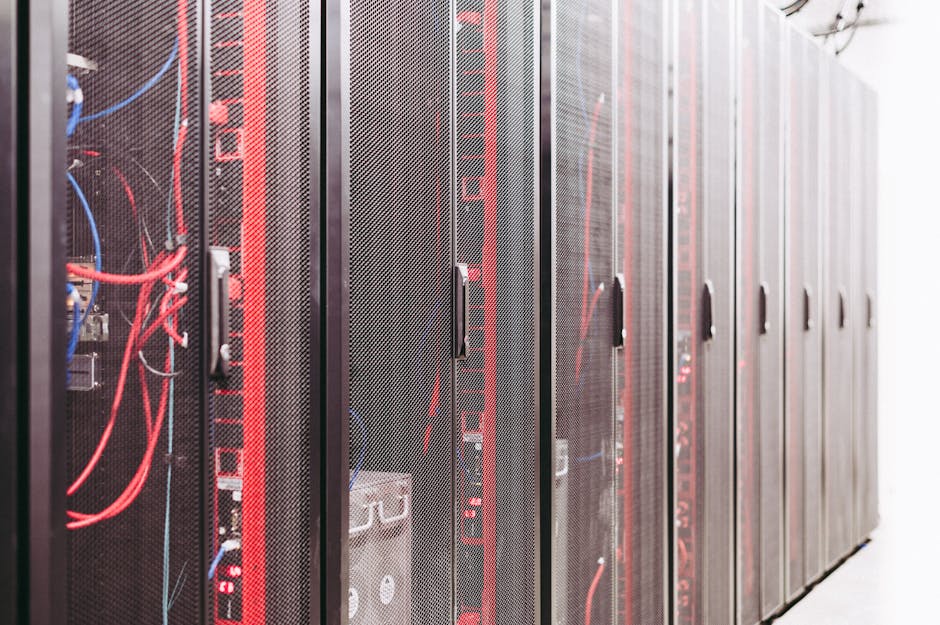
- The US data centre sector is facing a crisis with almost 40% of builds at risk of being delayed due to permitting issues and supply chain disruptions.
- The data centre bottleneck is affecting high-profile projects tied to Microsoft and OpenAI, sparking concerns over the industry’s ability to meet AI computing demand.
- Labour shortages and supply chain disruptions are major contributors to the delays in the data centre sector, impacting the growth of the AI industry.
- The data centre sector is struggling to keep pace with the exponential growth of the AI industry, resulting in a significant bottleneck.
- The delays in data centre builds are concerning as they impact the growth of cloud computing, e-commerce, and other digital economy sectors.
The rapid expansion of artificial intelligence (AI) in recent years has been nothing short of remarkable, with tech giants and startups alike investing heavily in the development of AI-powered technologies. However, a looming crisis in the data centre sector threatens to choke this growth, as almost 40% of data centre builds in the US are at risk of being delayed. This includes high-profile projects tied to Microsoft and OpenAI, sparking concerns over the industry’s ability to meet the burgeoning demand for AI computing power.
The Data Centre Bottleneck

The data centre sector has long been the backbone of the digital economy, providing the infrastructure necessary to support the growth of cloud computing, e-commerce, and now, AI. However, the industry’s inability to keep pace with demand has resulted in a significant bottleneck, with many projects facing delays due to a combination of factors, including permitting issues, supply chain disruptions, and labour shortages. As the AI industry continues to grow at an exponential rate, the need for reliable and efficient data centre infrastructure has never been more pressing, making the current delays all the more concerning.
Key Players Affected

The delays affecting the data centre sector have far-reaching implications, with many of the industry’s biggest players feeling the pinch. Microsoft, for example, has several data centre projects in the pipeline, including a major build in Virginia, which is reportedly at risk of being delayed. OpenAI, the company behind the popular ChatGPT AI model, is also affected, with its plans to expand its data centre capacity put on hold due to permitting issues. Other companies, including Amazon and Google, are also likely to be impacted, although the full extent of the delays is not yet clear.
Causes and Consequences
So, what is causing these delays, and what are the consequences for the AI industry? According to experts, the main culprit is the permitting process, which can be slow and cumbersome, particularly in areas with high environmental or zoning regulations. Supply chain disruptions, including a shortage of key components such as servers and storage systems, are also playing a role, as are labour shortages, which are affecting the industry’s ability to complete projects on time. The consequences of these delays are significant, with the AI industry facing potential bottlenecks in its ability to process and analyse the vast amounts of data required to train and deploy AI models.
Implications for the AI Industry
The implications of the data centre delays for the AI industry are far-reaching and potentially devastating. With many AI applications relying on access to large amounts of computing power and data storage, any disruption to the data centre sector has the potential to hinder the growth of the industry as a whole. This could have significant consequences for companies that rely heavily on AI, including those in the tech, healthcare, and finance sectors, where AI is being used to drive innovation and improve efficiency. As the demand for AI computing power continues to grow, the need for reliable and efficient data centre infrastructure has never been more pressing.
Expert Perspectives
Experts in the field are divided on the potential impact of the data centre delays on the AI industry. Some, such as Dr. Rachel Smith, a leading expert in AI and data centre infrastructure, believe that the delays could have a significant impact on the industry’s growth, particularly in the short term. Others, such as Mr. John Lee, a data centre industry analyst, argue that the delays are a minor setback and that the industry will adapt and find ways to overcome the challenges. Despite these differing perspectives, one thing is clear: the data centre sector must find a way to address the current delays and ensure that the AI industry has access to the infrastructure it needs to continue growing.
As the data centre sector continues to grapple with the challenges posed by the current delays, one question remains: what does the future hold for the AI industry? Will the sector be able to overcome the current bottlenecks and continue to grow at its current pace, or will the delays have a lasting impact on the industry’s development? Only time will tell, but one thing is certain: the data centre sector must find a way to address the current delays and ensure that the AI industry has access to the infrastructure it needs to continue driving innovation and growth.