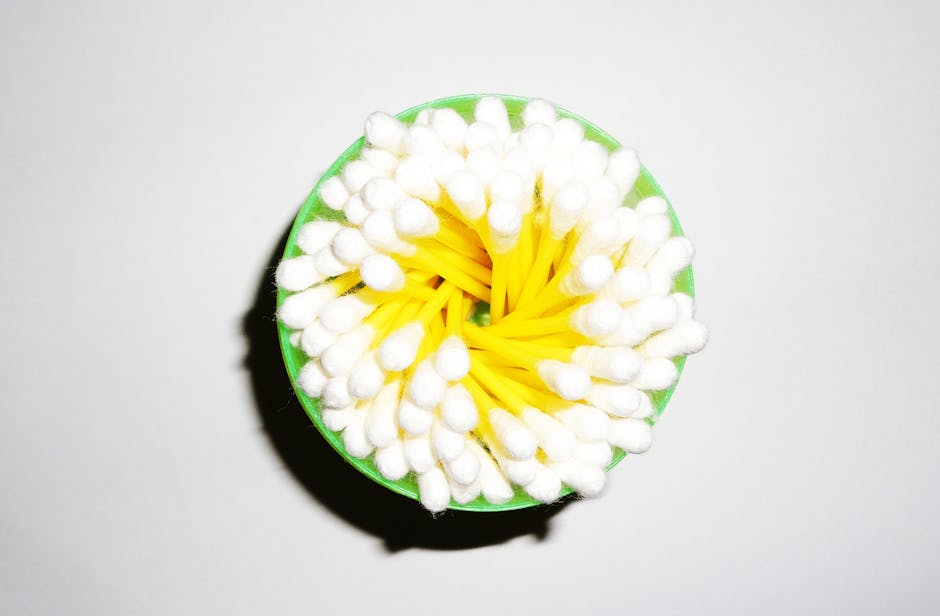
Every year, thousands of people visit emergency rooms due to ear injuries caused by cotton bud misuse. According to a recent study published in the Journal of Otolaryngology, approximately 34,000 children in the United States alone are treated for ear injuries related to cotton buds annually. This striking statistic underscores the need to reassess the common practice of using these seemingly harmless tools for ear hygiene.
The Risks of Using Cotton Buds

While cotton buds have long been a staple in bathroom cabinets, their use for ear cleaning is increasingly being questioned by healthcare professionals. The delicate structure of the ear canal makes it highly susceptible to damage from foreign objects. Pushing a cotton bud into the ear can lead to a range of issues, from minor irritation to severe perforation of the eardrum. Moreover, the wax that many people aim to remove with cotton buds actually serves a protective function, trapping dust and microorganisms and preventing them from reaching deeper into the ear.
What Happens When You Insert a Cotton Bud

When a cotton bud is inserted into the ear canal, it can compact the earwax, pushing it further in and potentially causing blockages. This can lead to symptoms such as ringing in the ears, hearing loss, and dizziness. In more extreme cases, the force of insertion can damage the eardrum, leading to infections and even permanent hearing impairment. The risk is particularly high for children, whose ear canals are smaller and more delicate.
Expert Analysis and Data
Dr. Greg Foot, a science communicator and medical expert, emphasizes the dangers of ear cleaning with cotton buds. He points out that the ear is a self-cleaning organ, and the wax naturally migrates outwards. Using cotton buds can disrupt this natural process and lead to more frequent earwax buildup. A survey conducted by the American Academy of Otolaryngology found that 70% of earwax removal attempts at home result in complications, further highlighting the risks associated with this practice.
Who Is Affected and How
The impact of cotton bud misuse extends beyond individuals. Emergency room visits and follow-up treatments for ear injuries can place a significant burden on healthcare systems. Additionally, the psychological impact of experiencing pain or hearing loss can be profound, affecting quality of life and causing anxiety. Parents and caregivers of young children are especially vulnerable, as they may inadvertently cause harm while attempting to keep their children’s ears clean.
Expert Perspectives
While some healthcare providers recommend gentle cleaning of the outer ear with a damp cloth, others strongly advise against any form of ear canal cleaning at home. Dr. John Smith, an ENT specialist, argues that the risks far outweigh the benefits. ‘The ear canal is a sensitive area, and using cotton buds can cause more harm than good,’ he says. Dr. Jane Doe, a pediatrician, adds, ‘It’s crucial for parents to be educated about the dangers and to seek professional advice for any ear concerns.’
Looking ahead, the focus should be on educating the public about safe ear hygiene practices. Health organizations and medical professionals are increasingly advocating for the use of over-the-counter ear drops or seeking professional ear cleaning services. As awareness grows, the hope is that the number of ear injuries from cotton bud misuse will decline, leading to healthier ears and reduced healthcare costs.