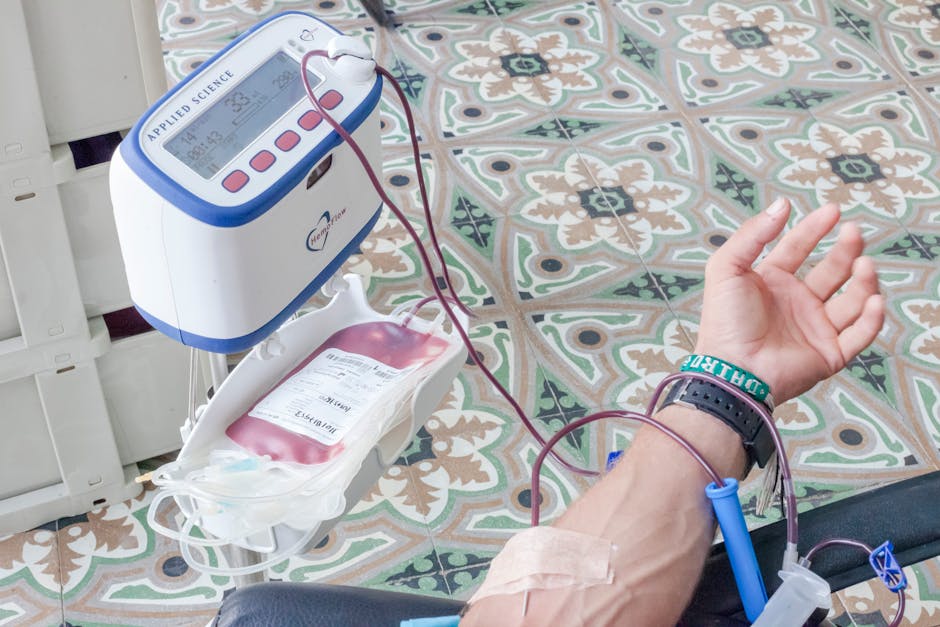
- Unvaccinated blood transfusions are becoming more common due to patient requests, despite potential health risks.
- Patients are willing to wait or travel for unvaccinated donor blood, highlighting the extent of their conviction.
- The trend reflects a mix of misinformation, mistrust of the medical establishment, and personal beliefs about vaccine safety.
- Vaccinated blood is not supported to pose health risks or contain harmful substances.
- The request for unvaccinated donor blood delays treatment and puts lives at risk.
A striking trend has emerged in the medical community, with a growing number of patients requesting that their blood transfusions come from donors who have not been vaccinated against COVID-19. This phenomenon is causing concern among healthcare professionals, as it can lead to significant delays in treatment and potentially put lives at risk. According to recent reports, some patients are willing to wait for extended periods or even travel to different hospitals to receive blood from unvaccinated donors, highlighting the extent of their conviction. The reasons behind this trend are complex and multifaceted, reflecting a mix of misinformation, mistrust of the medical establishment, and personal beliefs about vaccine safety.
Understanding the Context

The COVID-19 pandemic has ushered in an era of unprecedented scrutiny of medical practices and public health policies. The rapid development and deployment of vaccines have been instrumental in controlling the spread of the virus, but they have also become a focal point of controversy and misinformation. As a result, segments of the population have become increasingly skeptical about the safety and efficacy of vaccines, leading to a decline in vaccination rates in some areas. The request for unvaccinated donor blood for transfusions is an extension of this skepticism, with some individuals believing that vaccinated blood may pose health risks or contain harmful substances. This belief, however, is not supported by scientific evidence, and medical professionals are working to address these misconceptions and reassure the public about the safety of the blood supply.
The Demand for Unvaccinated Blood

The demand for blood from unvaccinated donors has been reported in various parts of the world, with some patients going to great lengths to secure such transfusions. This includes seeking out private blood banks that cater to these requests or asking family and friends who have not been vaccinated to donate blood specifically for their use. Healthcare providers are faced with the challenge of balancing the wishes of their patients with the imperative to provide safe and effective care. The blood supply is rigorously tested for a wide range of pathogens and contaminants, and the risk of contracting COVID-19 from a blood transfusion is virtually nonexistent. Despite this, the perception of risk persists among some individuals, leading to a rise in requests for unvaccinated donor blood.
Analyzing the Situation
From a medical standpoint, the preference for unvaccinated blood does not align with the current scientific understanding of blood safety and transfusion medicine. The COVID-19 vaccines have undergone extensive testing and have been proven to be safe and effective in preventing severe illness and death from the virus. The vaccines do not alter the blood in a way that would make it unsafe for transfusion, and recipients of vaccinated donor blood are not at risk of contracting COVID-19 or experiencing adverse effects due to the vaccination status of the donor. Experts point out that the real risk lies in delaying necessary transfusions, which can lead to serious health complications or even fatalities. The situation underscores the need for clear, evidence-based communication about vaccine safety and the blood donation process to alleviate fears and misconceptions.
Implications and Concerns
The trend of requesting unvaccinated donor blood has significant implications for the healthcare system and public health. It not only affects the management of blood banks and the allocation of blood supplies but also reflects a broader distrust of medical science and public health measures. This distrust can have far-reaching consequences, including decreased vaccination rates and a resurgence of preventable diseases. Furthermore, the insistence on unvaccinated blood can lead to inequalities in access to healthcare, as not all patients may have the means or opportunity to secure such transfusions. Healthcare providers and policymakers must address these issues through education, outreach, and policy initiatives that promote trust in the medical system and ensure equitable access to safe and effective care.
Expert Perspectives
Experts in transfusion medicine and public health are weighing in on the issue, offering insights into the potential consequences of this trend. While some understand the desire for autonomy in medical decisions, others express concern about the spread of misinformation and the potential for harm when patients delay or forgo necessary treatments. There is a consensus on the need for comprehensive education and dialogue to address the fears and misconceptions driving the demand for unvaccinated donor blood. By engaging with the public and providing accurate, evidence-based information, healthcare professionals hope to rebuild trust and ensure that patients make informed decisions about their care.
Looking forward, it will be crucial to monitor this trend and its impact on public health and the healthcare system. As the COVID-19 pandemic continues to evolve, the medical community must remain vigilant in addressing misinformation and promoting vaccine confidence. The open question remains how to effectively communicate the safety and importance of vaccines and blood transfusions to a skeptical public, and how to balance individual preferences with the need to provide safe, evidence-based care. By tackling these challenges, healthcare providers can work towards a future where decisions about medical care are guided by science and a shared commitment to health and well-being.