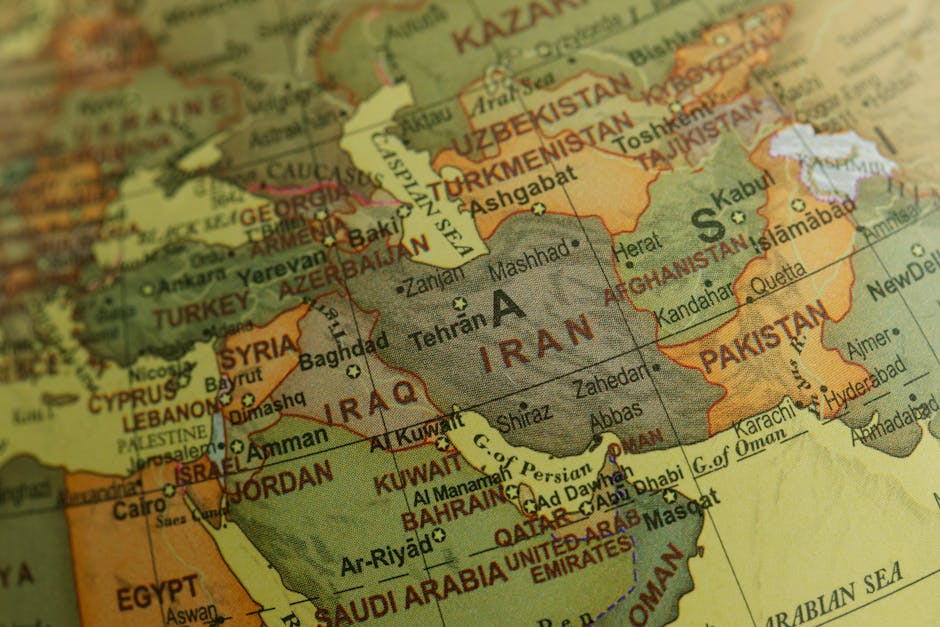
- The US-Iran conflict has entered its 48th day, with tensions between the two nations remaining high and volatile.
- The conflict has resulted in significant economic and human losses, prompting the international community to call for a peaceful resolution.
- Diplomatic efforts led by Pakistan’s Prime Minister Imran Khan are underway to facilitate talks between the US and Iran.
- The conflict escalated after the US withdrew from the Joint Comprehensive Plan of Action (JCPOA) and reimposed sanctions on Iran.
- Key developments have raised hopes for a negotiated settlement, but the path ahead remains fraught with challenges.
The US-Iran conflict has entered its 48th day, with tensions between the two nations still running high. Despite the ongoing diplomatic efforts, the situation remains volatile, with both sides engaging in a war of words and sporadic military clashes. The conflict has already resulted in significant economic and human losses, with the international community calling for a peaceful resolution. The latest developments have raised hopes that a negotiated settlement may be within reach, but the path ahead remains fraught with challenges.
Background to the Conflict

The current crisis began when the US withdrew from the Joint Comprehensive Plan of Action (JCPOA), commonly known as the Iran nuclear deal, and reimposed sanctions on Iran. The move was met with widespread criticism from the international community, and Iran responded by scaling back its commitments under the deal. The situation escalated further when the US launched a drone strike that killed top Iranian military commander Qasem Soleimani, prompting Iran to retaliate with missile strikes against US bases in Iraq. Since then, the conflict has continued to simmer, with both sides engaging in a series of tit-for-tat actions.
Key Developments in the Conflict

Despite the tensions, diplomatic efforts to resolve the conflict have been gaining pace. Pakistan has emerged as a key mediator, with Prime Minister Imran Khan playing a crucial role in facilitating talks between the US and Iran. The latest round of discussions is expected to take place in Islamabad, with officials from both sides expressing optimism about the prospects for a breakthrough. The US has also signaled its willingness to lift sanctions on Iran in exchange for concessions on its nuclear program, while Iran has demanded that the US return to the JCPOA and provide guarantees that it will not withdraw again in the future.
Analysis of the Conflict
Analysts believe that the conflict has significant implications for the region and the world at large. The ongoing tensions have already disrupted global oil supplies, with prices skyrocketing in recent weeks. The conflict has also raised concerns about the potential for a wider war, with other nations in the region potentially being drawn in. Experts point out that a negotiated settlement will require significant concessions from both sides, including the US lifting sanctions and Iran scaling back its nuclear program. The role of Pakistan as a mediator has been widely welcomed, with many seeing it as a crucial factor in preventing the conflict from escalating further.
Implications of the Conflict
The conflict has significant implications for the people of Iran and the wider region. The sanctions imposed by the US have already had a devastating impact on the Iranian economy, with many ordinary citizens struggling to make ends meet. The conflict has also raised concerns about the potential for a humanitarian crisis, with many fleeing the violence and seeking refuge in neighboring countries. The international community has called for a peaceful resolution to the conflict, with many nations offering to provide humanitarian aid to those affected.
Expert Perspectives
Experts have differing views on the prospects for a negotiated settlement. Some believe that the US and Iran are closer than ever to a deal, with the Pakistani-mediated talks offering a glimmer of hope. Others are more skeptical, pointing out that the two sides remain far apart on key issues, including the nuclear program and sanctions. Many experts agree that a peaceful resolution will require significant compromises from both sides, as well as a willingness to engage in meaningful dialogue.
As the conflict enters its 48th day, many are watching with bated breath to see what the future holds. Will the Pakistani-mediated talks lead to a breakthrough, or will the conflict continue to simmer? One thing is certain: the world will be watching closely as events unfold in the coming days and weeks. The question on everyone’s mind is: what will it take to bring peace to the region, and how can the international community support efforts to resolve the conflict peacefully?