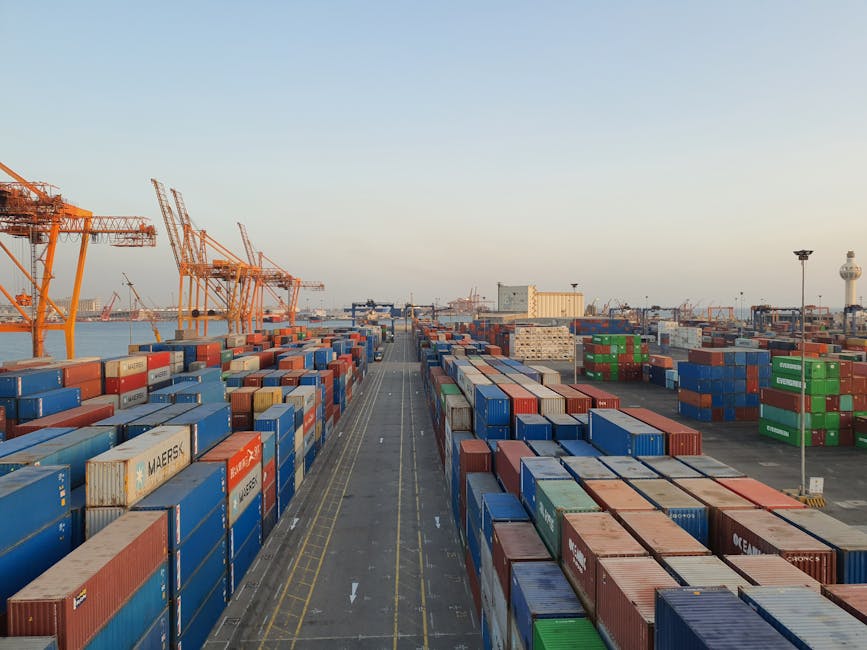
- The Strait of Hormuz is a critical waterway connecting the Persian Gulf to the Gulf of Oman, essential for global trade and regional stability.
- The U.S. has imposed a blockade on all vessels entering or leaving coastal areas or ports in Iran, enforcing it with a dozen U.S. Navy warships.
- The blockade is a significant escalation of the U.S.’s efforts to restrict Iran’s ability to export oil and import essential goods.
- The strained relationship between the U.S. and Iran has been marked by increased hostility and rhetoric in recent months.
- The blockade has significant implications for global trade, regional stability, and the ongoing standoff between the two nations.
The Strait of Hormuz, a critical waterway connecting the Persian Gulf to the Gulf of Oman, has become a focal point of heightened tensions between the United States and Iran. In a striking display of naval power, more than a dozen U.S. Navy warships are currently enforcing a blockade on all vessels from all nations entering or leaving coastal areas or ports in Iran. This development has significant implications for global trade, regional stability, and the ongoing standoff between the two nations. As the situation continues to unfold, it is essential to examine the background and context surrounding this escalation.
Background and Context

The blockade is the latest manifestation of the deteriorating relationship between the United States and Iran, which has been marked by increased hostility and rhetoric in recent months. The U.S. has long been concerned about Iran’s nuclear program, ballistic missile development, and support for militant groups in the region. In response, the U.S. has imposed stringent economic sanctions on Iran, targeting its oil exports, banking sector, and other critical industries. The blockade of the Strait of Hormuz is a significant escalation of these efforts, aiming to further restrict Iran’s ability to export oil and import essential goods.
Key Details of the Blockade

The U.S. Navy’s enforcement of the blockade involves a significant deployment of warships, including destroyers, cruisers, and amphibious assault ships. These vessels are patrolling the Strait of Hormuz, monitoring maritime traffic, and intercepting ships suspected of violating the blockade. The U.S. has also established a coalition of allies, including several European and Arab nations, to support the enforcement of the blockade. The coalition’s efforts are focused on disrupting Iran’s oil exports, which are a critical component of the country’s economy. As a result, several Iran-linked ships have slowed or stopped in the region, awaiting clarification on the blockade’s terms and potential exemptions.
Analysis and Implications
The blockade of the Strait of Hormuz has far-reaching consequences for the global economy, regional stability, and the environment. The waterway is a vital transit point for approximately 20% of the world’s oil supply, and any disruption to shipping lanes could lead to significant price increases and shortages. Furthermore, the blockade has the potential to exacerbate existing tensions between the U.S. and Iran, increasing the risk of miscalculation or conflict. From an environmental perspective, the increased naval presence and potential for oil spills or other accidents pose a significant threat to the region’s fragile ecosystem. As the situation continues to evolve, it is essential to consider the potential long-term effects of the blockade on the region and the global economy.
Humanitarian and Economic Consequences
The blockade’s impact on Iran’s economy and civilian population is likely to be severe. The country is already struggling under the weight of U.S. sanctions, which have led to widespread shortages of food, medicine, and other essential goods. The blockade will further restrict Iran’s ability to import these critical supplies, potentially leading to a humanitarian crisis. The international community is closely watching the situation, with many nations expressing concern about the potential consequences of the blockade. As the U.S. and its allies continue to enforce the blockade, it is essential to consider the potential humanitarian and economic implications for the people of Iran.
Expert Perspectives
Experts are divided on the effectiveness and potential consequences of the blockade. Some argue that the move is a necessary step to restrict Iran’s nuclear program and support for militant groups, while others believe that the blockade will only serve to escalate tensions and harm innocent civilians. According to Dr. Sanam Vakil, a leading expert on Iran and the Middle East, “The blockade is a high-risk strategy that could lead to unintended consequences, including a potential conflict between the U.S. and Iran.” In contrast, Dr. Michael Rubin argues that the blockade is a necessary measure to prevent Iran from developing nuclear weapons, stating that “The U.S. has a responsibility to protect its interests and those of its allies in the region.”
As the situation in the Strait of Hormuz continues to unfold, it is essential to consider the potential forward-looking implications of the blockade. Will the U.S. and its allies be able to maintain the blockade without sparking a wider conflict? How will Iran respond to the increased pressure, and what are the potential consequences for the global economy and regional stability? These are just a few of the questions that will be closely watched in the coming weeks and months as the situation continues to evolve. One thing is certain, however: the blockade of the Strait of Hormuz marks a significant escalation of tensions between the U.S. and Iran, and the world will be watching closely to see how the situation unfolds.