The global sugar industry is worth over $80 billion, with millions of tons of sugar produced every year. However, behind the sweet taste of sugar lies a bitter legacy of slavery, exploitation, and environmental damage. The history of sugar production is marked by the use of forced labor, displacement of indigenous communities, and destruction of natural habitats. Today, the sugar industry continues to be plagued by issues of labor rights, water pollution, and soil degradation, raising important questions about the true cost of sugar production.
The Dark History of Sugar Production

The sugar industry’s troubled past dates back to the colonial era, when European powers established sugar plantations in the Americas, Africa, and Asia. These plantations were built on the backs of enslaved Africans, who were forcibly brought to the New World to work in brutal conditions. The transatlantic slave trade, which lasted for over four centuries, is estimated to have claimed the lives of millions of people. Even after the abolition of slavery, sugar production continued to be marked by exploitation, with workers facing poor working conditions, low wages, and limited social protections. The legacy of this dark history continues to resonate today, with many sugar-producing countries still grappling with issues of social justice and human rights.
Sugar and the Environment

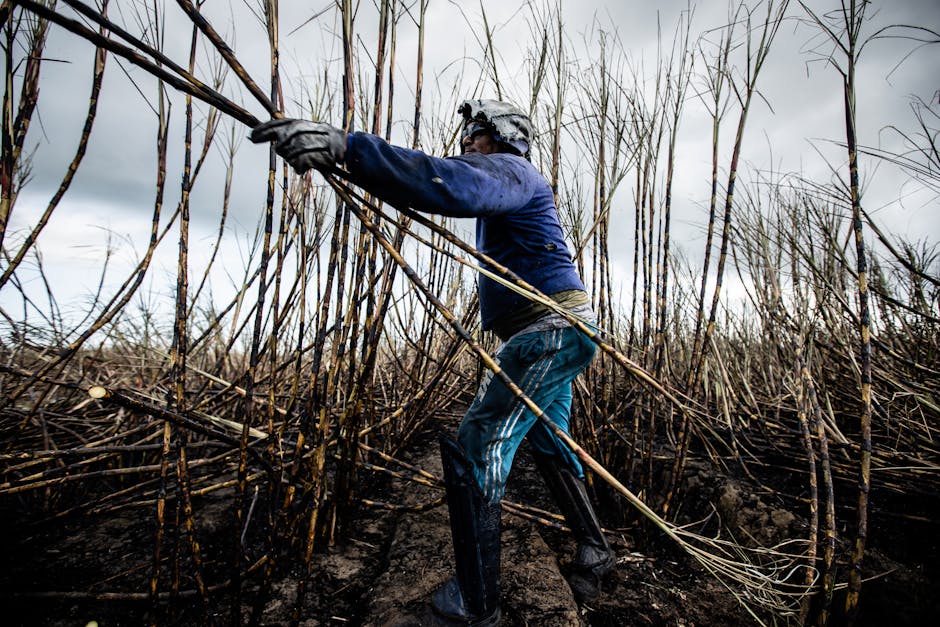
The sugar industry is not only notorious for its social impact but also for its environmental damage. Sugar production requires large amounts of water and land, leading to the destruction of natural habitats and the displacement of indigenous communities. The use of pesticides, fertilizers, and other chemicals in sugar production has also been linked to water pollution, soil degradation, and loss of biodiversity. Furthermore, the burning of sugar cane fields, a common practice in many sugar-producing countries, releases toxic pollutants into the air, contributing to climate change and respiratory problems. The environmental consequences of sugar production are far-reaching, with many ecosystems and communities affected by the industry’s activities.
The Human Cost of Sugar Production
Despite the growth of the global sugar industry, many sugar workers continue to face poor working conditions, low wages, and limited social protections. In some countries, sugar workers are exposed to hazardous chemicals, work long hours in extreme temperatures, and lack access to basic healthcare and social services. The use of child labor and forced labor is also a persistent problem in the sugar industry, with many workers trapped in cycles of debt and exploitation. The human cost of sugar production is not limited to workers, however, as communities surrounding sugar plantations often suffer from environmental degradation, water pollution, and loss of livelihoods.
Implications and Consequences
The implications of the sugar industry’s bitter legacy are far-reaching, with consequences for the environment, human rights, and public health. As consumers become increasingly aware of the social and environmental impact of their food choices, the sugar industry is facing growing pressure to reform its practices. Governments, NGOs, and certification schemes are working to promote sustainable sugar production, improve labor standards, and protect the environment. However, more needs to be done to address the systemic issues plaguing the sugar industry, including the use of forced labor, water pollution, and soil degradation.
Expert Perspectives
Experts agree that the sugar industry needs to undergo significant reforms to address its social and environmental impact. Some argue that certification schemes, such as Fairtrade and Organic, can help promote sustainable sugar production and improve labor standards. Others argue that more radical changes are needed, including the abolition of industrial-scale sugar production and the promotion of small-scale, sustainable farming practices. As the debate continues, one thing is clear: the sugar industry’s bitter legacy will not be easily forgotten, and consumers, governments, and industry leaders must work together to create a more just and sustainable food system.
Looking to the future, the sugar industry faces a critical juncture. As the global demand for sugar continues to grow, the industry must find ways to balance its economic interests with its social and environmental responsibilities. This will require significant investments in sustainable agriculture, labor rights, and environmental protection. The question remains, however, whether the sugar industry is willing to make the necessary changes to address its bitter legacy and create a more sustainable future for all. Only time will tell if the industry can overcome its dark past and forge a new path towards a more just and equitable food system.