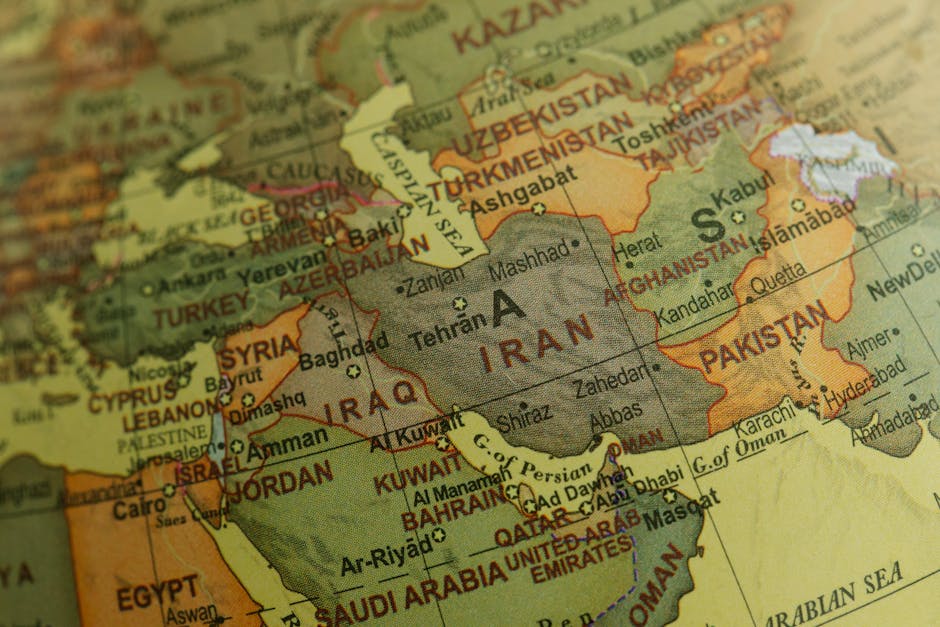
- Israeli Prime Minister Benjamin Netanyahu is seeking a victory in Lebanon to bolster his legacy and prove his leadership.
- Tensions between Israel and Lebanon have escalated significantly, with over 1,000 incidents of cross-border violence reported in the past year.
- A victory in Lebanon would demonstrate Israel’s military prowess and provide a much-needed boost to national morale and confidence.
- Netanyahu’s focus on Lebanon is driven by the country’s strategic location and its critical role in the regional balance of power.
- The Israeli economy is facing significant challenges, making a successful operation in Lebanon a crucial factor in maintaining national stability.
As the Israeli-Palestinian conflict continues to simmer, Prime Minister Benjamin Netanyahu is setting his sights on Lebanon as a potential arena for a much-needed victory. With his tenure marked by failures in Gaza and a lack of progress in relations with Iran, Netanyahu sees Lebanon as an opportunity to bolster his legacy and prove his mettle as a leader. A striking fact highlights the gravity of the situation: in the past year alone, tensions between Israel and Lebanon have escalated significantly, with over 1,000 incidents of cross-border violence reported. This surge in hostilities has raised concerns among regional and international observers, who fear that a miscalculation could spark a wider conflict.
The Strategic Importance of Lebanon

The current situation in Lebanon is a complex web of geopolitical tensions, with multiple factions and interests at play. The country’s strategic location, bordering both Israel and Syria, makes it a critical player in the regional balance of power. As such, Netanyahu’s decision to focus on Lebanon is not surprising, given the potential benefits of a successful campaign. A victory in Lebanon would not only enhance Netanyahu’s domestic standing but also demonstrate Israel’s military prowess to its adversaries. Furthermore, with the Israeli economy facing significant challenges, a successful operation in Lebanon could provide a much-needed boost to national morale and confidence.
Key Players and Interests

The conflict in Lebanon involves a multitude of key players, each with their own distinct interests and agendas. The Lebanese government, led by Prime Minister Najib Mikati, is walking a delicate tightrope, seeking to maintain stability while navigating the complex web of sectarian tensions and external influences. Meanwhile, the Iran-backed Hezbollah militia remains a significant force in the country, with its own military capabilities and strategic objectives. As Netanyahu seeks to assert Israeli influence in the region, he must carefully consider the potential responses of these and other actors, including the United States, the European Union, and the Arab League. The situation is further complicated by the presence of Russian and Turkish forces in neighboring Syria, which could potentially be drawn into a conflict in Lebanon.
Analysis and Implications
An examination of the underlying causes and potential effects of the conflict in Lebanon reveals a complex and deeply entrenched set of factors. The rivalry between Israel and Iran, the sectarian divisions within Lebanon, and the regional ambitions of various powers all contribute to a volatile and unpredictable environment. As Netanyahu weighs his options, he must consider not only the military dimensions of a potential conflict but also the diplomatic and economic implications. A miscalculation or unintended escalation could have far-reaching consequences, including a wider regional war, a humanitarian crisis, or significant damage to Israel’s international reputation. Furthermore, the potential for cyberattacks, terrorism, and other forms of asymmetric warfare adds an additional layer of complexity to the situation.
Humanitarian and Regional Consequences
The potential consequences of a conflict in Lebanon would be far-reaching and devastating, with significant humanitarian and regional implications. The country’s fragile economy and infrastructure would likely be severely damaged, leading to widespread poverty, displacement, and human suffering. The regional consequences would be equally severe, with the potential for a wider conflict drawing in multiple countries and causing instability throughout the Middle East. As such, it is essential that all parties involved prioritize diplomacy and restraint, seeking a peaceful resolution to the tensions in Lebanon. The international community, including the United Nations and other organizations, must also play a proactive role in promoting dialogue and preventing escalation.
Expert Perspectives
Experts and analysts offer contrasting viewpoints on the situation in Lebanon, reflecting the complexity and uncertainty of the conflict. Some argue that Netanyahu’s approach is a necessary response to the growing threat posed by Hezbollah and Iran, while others see it as a reckless and provocative move that could spark a wider war. As one expert noted, “The situation in Lebanon is a powder keg, and any miscalculation could have disastrous consequences.” Another analyst observed, “Netanyahu’s legacy is on the line, and he will stop at nothing to achieve a victory in Lebanon, even if it means risking a wider conflict.”
Looking ahead, the situation in Lebanon remains highly uncertain, with multiple scenarios and outcomes possible. As the international community watches with bated breath, the key question remains: can Netanyahu achieve his objectives in Lebanon without sparking a wider conflict, or will the region be plunged into chaos and instability? The answer will depend on a variety of factors, including the actions of key players, the responses of regional and international powers, and the unpredictable nature of the conflict itself. One thing is certain, however: the situation in Lebanon will continue to be a major flashpoint in the region, with significant implications for global security and stability.