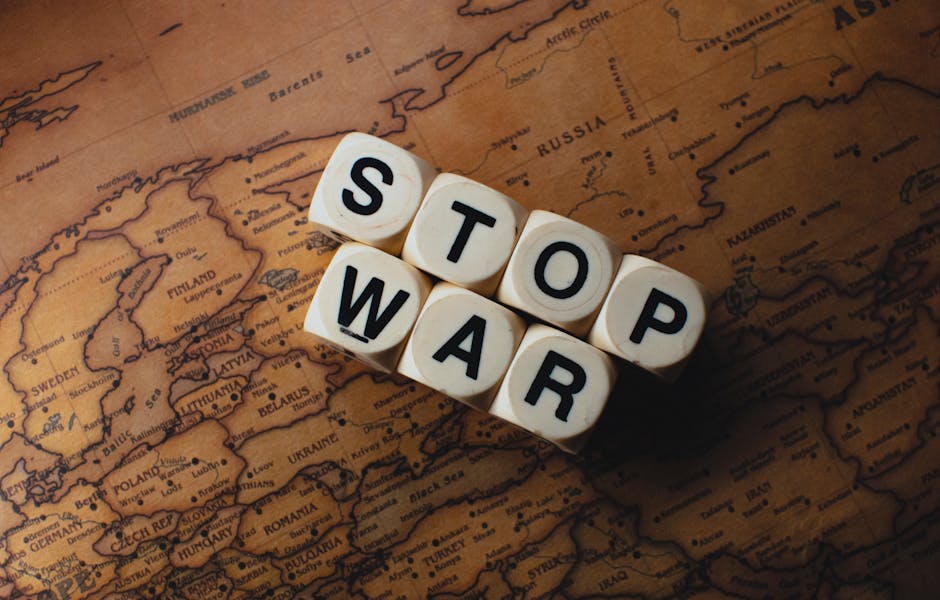
- Israel has bombed southern Lebanon’s Bint Jbeil district, escalating tensions between the two countries.
- The attack was in response to alleged militant activity in the area, according to Israeli reports.
- Lebanese officials condemn the bombing as a violation of their sovereignty.
- The conflict between Israel and Lebanon has a long history, with recent tensions fueled by militant groups like Hezbollah.
- The incident has raised concerns about potential further violence and regional instability.
The Israeli army has bombed buildings in southern Lebanon’s Bint Jbeil district, marking a significant escalation in tensions between Israel and Lebanon. The attack, which targeted several homes in the area, has raised concerns about the potential for further violence in the region. According to reports, the bombing was carried out in response to alleged militant activity in the area. The incident has sparked widespread condemnation from Lebanese officials, who have accused Israel of violating their country’s sovereignty.
Background to the Conflict

The conflict between Israel and Lebanon has a long and complex history, with tensions between the two countries dating back decades. The area has seen numerous clashes over the years, with both sides accusing each other of aggression. In recent years, the conflict has been fueled by the presence of militant groups in the region, including Hezbollah, which has been accused of carrying out attacks against Israeli targets. The situation has been further complicated by the involvement of other countries in the region, including Iran and Syria, which have been accused of providing support to militant groups.
The Latest Developments

The latest bombing is just the latest incident in a series of escalating tensions between Israel and Lebanon. In recent weeks, there have been numerous reports of clashes between Israeli forces and militant groups in the area, with both sides accusing each other of aggression. The Israeli army has stated that the bombing was carried out in response to alleged militant activity in the area, including the firing of rockets into Israeli territory. However, Lebanese officials have denied these claims, accusing Israel of carrying out a provocative attack.
Analysis of the Situation
The bombing of homes in southern Lebanon has significant implications for the region, and has the potential to escalate into a wider conflict. The incident has sparked widespread condemnation from the international community, with many countries calling for restraint and calm. However, the situation on the ground remains tense, with both sides dug in and refusing to back down. According to experts, the key to resolving the conflict lies in addressing the underlying issues, including the presence of militant groups in the area and the lack of a lasting peace agreement between Israel and Lebanon.
Implications of the Attack
The implications of the attack are far-reaching, and have the potential to affect not just the region, but the wider world. The conflict between Israel and Lebanon has significant geopolitical implications, with many countries in the region having a stake in the outcome. The attack has also raised concerns about the potential for further violence, including the possibility of a wider war. According to reports, the bombing has already resulted in significant damage to infrastructure and property, and has displaced many people from their homes.
Expert Perspectives
Experts are divided on the implications of the attack, with some arguing that it marks a significant escalation in tensions between Israel and Lebanon. Others, however, argue that the incident is a symptom of a wider problem, and that a lasting solution can only be achieved through a comprehensive peace agreement. “The situation is complex and multifaceted, and requires a nuanced approach,” said one expert. “A military solution is not the answer, and will only lead to further violence and instability.”
As the situation continues to unfold, many are left wondering what the future holds for the region. Will the conflict escalate into a wider war, or can a lasting peace agreement be reached? The answer remains to be seen, but one thing is certain – the international community will be watching closely, and will be calling for restraint and calm from all parties involved. The question on everyone’s mind is what will happen next, and whether the parties involved will be able to find a way to resolve their differences peacefully.