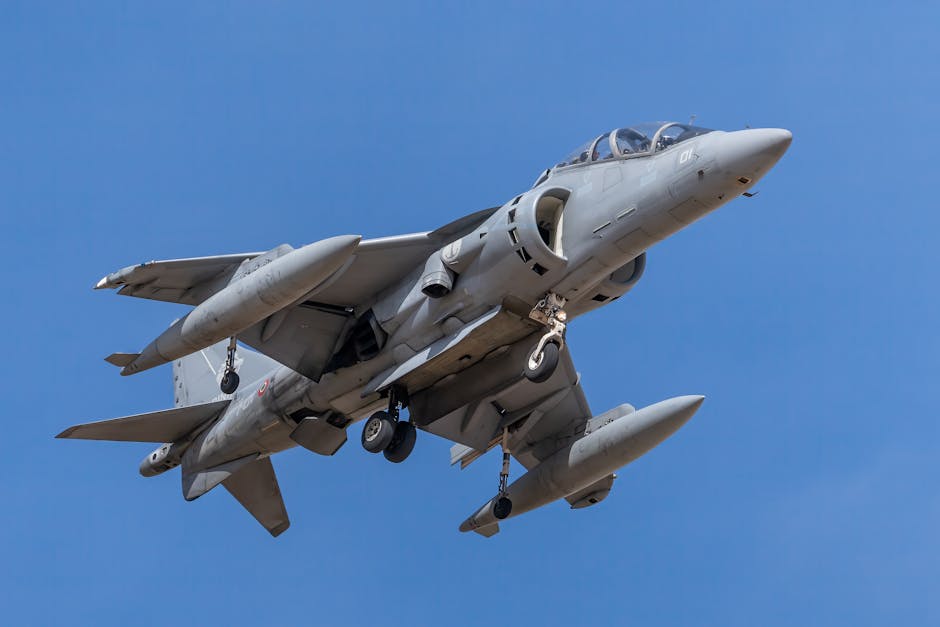
- The UN has urged member states to suspend arms transfers to Israel following a recent bombardment, highlighting the deepening conflict.
- This escalation is part of a long-standing conflict with historical disputes and territorial claims at its core.
- The UN’s action underscores the importance of upholding international law and protecting civilian lives in the region.
- The international community faces the challenge of responding to this call and potentially stabilizing the Middle East.
- The situation threatens to destabilize the entire region, making global intervention crucial.
The United Nations has witnessed a significant escalation in tensions between Israel and Lebanon, with a recent bombardment on April 8 sparking widespread condemnation. In a strongly worded statement, UN experts have urged member states to suspend arms transfers to Israel, citing a blatant violation of the UN Charter. This move underscores the deepening conflict in the region and raises questions about the role of the international community in addressing the crisis. With the Middle East already a hotbed of tensions, the situation threatens to destabilize the entire region, making it imperative for the global community to take a stand.
Background to the Crisis

The latest developments are part of a long-standing conflict that has its roots in historical disputes and territorial claims. The region has seen periods of relative calm punctuated by outbreaks of violence, with both sides suffering losses. However, the recent escalation has brought the situation to a boiling point, with the international community increasingly concerned about the humanitarian implications and the potential for the conflict to spread. The UN’s call for the suspension of arms transfers to Israel is seen as a significant step, reflecting the organization’s commitment to upholding international law and protecting civilian lives. As the situation continues to unfold, it remains to be seen how member states will respond to this call, and what impact it will have on the ground.
The Bombardment of Lebanon

On April 8, Israel launched a bombardment of Lebanon, an action that has been widely condemned by the international community. The UN experts’ statement describes this act as a blatant violation of the UN Charter, emphasizing the need for all member states to respect international law and refrain from actions that could exacerbate the conflict. The details of the bombardment, including the targets and the number of casualties, are still emerging, but it is clear that the action has significant implications for the region’s stability. The involvement of major world powers, either directly or through their allies, adds a layer of complexity to the situation, making a resolution even more challenging. As the world watches, the key question is how the international community will respond to this escalation and what measures will be taken to prevent further violence.
Analysis of the Conflict
An analysis of the conflict reveals a complex interplay of historical, political, and strategic factors. The causes of the conflict are deeply rooted in competing claims and narratives, with both sides having legitimate grievances. The effects of the conflict are far-reaching, with significant humanitarian, economic, and political implications. Data on the conflict shows a pattern of escalating violence, with periods of relative calm followed by intense outbreaks of fighting. Expert analysis suggests that the conflict is unlikely to be resolved through military means alone and that a negotiated settlement, possibly facilitated by the international community, is the most viable path forward. However, achieving such a settlement will require a willingness from all parties to compromise and a commitment to respecting international law and human rights.
Implications of the Conflict
The implications of the conflict are widespread, affecting not only the immediate region but also having broader international repercussions. The conflict threatens to destabilize the entire Middle East, a region already fraught with tensions and conflicts. The humanitarian impact is significant, with civilians on both sides suffering the consequences of the violence. The economic implications are also considerable, with trade and investment in the region likely to be affected. Furthermore, the conflict has the potential to draw in other countries, either directly or indirectly, thereby escalating the situation further. It is essential for the international community to take a proactive role in addressing the conflict, through diplomatic efforts, economic incentives, and a commitment to upholding international law.
Expert Perspectives
Experts in the field offer contrasting viewpoints on the best way to address the conflict. Some argue that a more robust international response is needed, including the imposition of sanctions and a complete arms embargo on Israel. Others suggest that a more nuanced approach is required, one that takes into account the complexities of the conflict and the need for a negotiated settlement. Despite these differences, there is a broad consensus that the international community has a critical role to play in resolving the conflict and that inaction is not a viable option. As the situation continues to evolve, it will be important to consider a range of perspectives and to be open to innovative solutions that can help bring about a lasting peace.
Looking forward, the key question is what the international community will do next. Will member states heed the UN’s call to suspend arms transfers to Israel, or will they continue with business as usual? The answer to this question will have significant implications for the conflict and for the broader region. As the world waits with bated breath, one thing is clear: the situation demands a proactive and coordinated international response. The open question is whether the international community is prepared to take the necessary steps to prevent further escalation and to work towards a lasting resolution to the conflict.