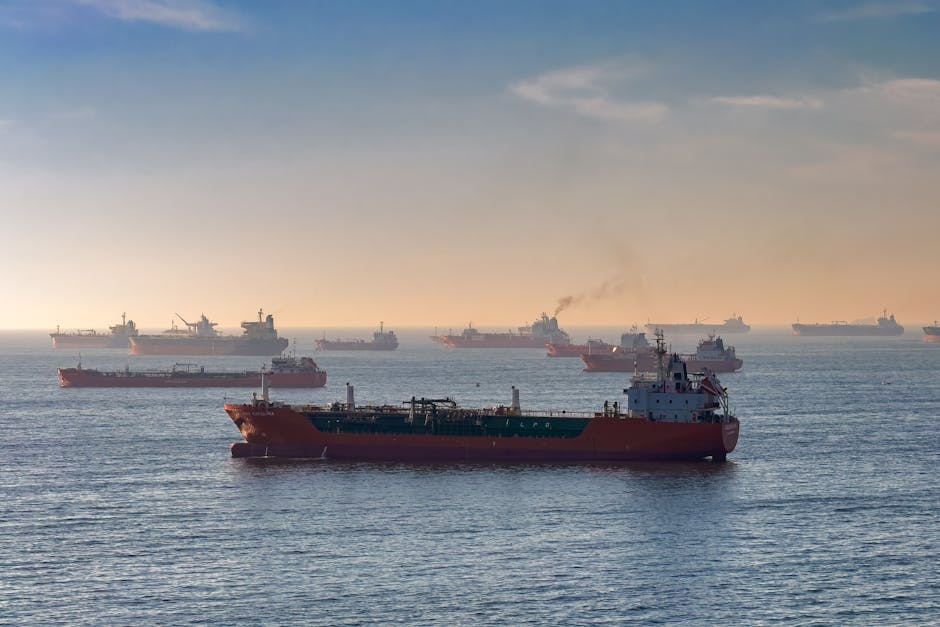
- Iran’s shipping threats in the Middle East have sparked concern among global powers, potentially disrupting global oil supplies.
- The Strait of Hormuz is a critical waterway connecting the Persian Gulf to the Arabian Sea, with thousands of ships passing through every year.
- Any disruption to shipping in the region could lead to a surge in oil prices and trade disruptions, impacting the global economy.
- Iran’s military capabilities are limited, raising questions about its ability to enforce its threat to block all shipping in the region.
- The Strait of Hormuz is a vital artery for global trade, not just for oil, but also for food and consumer products.
Iran’s recent threats to shipping in the Middle East have sparked significant concern among global powers, with some experts warning that the country may struggle to enforce its latest warnings. With nearly a third of the world’s oil passing through the Strait of Hormuz, any disruption to shipping in the region could have major implications for the global economy. According to a recent report, Iran has threatened to block all shipping in the region if its own oil exports are disrupted, a move that could have far-reaching consequences. The threat has been met with skepticism by some experts, who point out that Iran’s military capabilities are limited, and it may not have the resources to fully enforce its warnings.
The Strait of Hormuz: A Critical Waterway

The Strait of Hormuz is one of the most critical waterways in the world, with thousands of ships passing through it every year. The strait connects the Persian Gulf to the Arabian Sea and is the primary route for oil exports from countries such as Saudi Arabia, Iraq, and the United Arab Emirates. Any disruption to shipping in the region could have major implications for the global economy, with oil prices likely to surge and trade disrupted. The strait is also a key route for other goods, including food and consumer products, making it a vital artery for global trade. As tensions between Iran and other countries in the region continue to rise, the strait has become a focal point for concerns about shipping and trade.
Iran’s Military Capabilities

Iran’s military capabilities are a key factor in its ability to enforce its shipping threats. While the country has a significant military presence in the region, its capabilities are limited compared to those of other countries. Iran’s navy is relatively small, and its ships are largely outdated, making it difficult for the country to project power across the region. Additionally, Iran’s air force is also limited, with few modern aircraft and a lack of advanced weaponry. Despite these limitations, Iran has developed a range of asymmetric capabilities, including ballistic missiles and unmanned aerial vehicles, which could potentially be used to disrupt shipping in the region.
Analysis of the Situation
Experts say that Iran’s threats to shipping in the region are likely a response to the country’s growing isolation and the impact of economic sanctions on its economy. With its oil exports severely curtailed, Iran is facing significant economic challenges, including high inflation and a declining currency. The country’s leadership may see disrupting shipping in the region as a way to exert pressure on other countries to ease sanctions and provide economic relief. However, this approach is unlikely to be successful, as other countries are unlikely to give in to Iran’s demands. Instead, the situation could escalate, with Iran taking more drastic action to disrupt shipping in the region.
Implications of the Conflict
The implications of the conflict between Iran and other countries in the region are far-reaching. If Iran were to disrupt shipping in the Strait of Hormuz, it could have major consequences for the global economy, including higher oil prices and disrupted trade. The conflict could also have significant humanitarian implications, with the potential for civilian casualties and displacement. As the situation continues to escalate, there are growing concerns about the potential for a wider conflict, which could draw in other countries and have major implications for regional and global stability.
Expert Perspectives
Experts have differing views on the situation, with some warning that Iran’s threats should be taken seriously, while others believe that the country is bluffing. “Iran’s threats to shipping in the region are a serious concern, and we should be prepared for any eventuality,” said one expert. However, another expert disagreed, saying that “Iran’s military capabilities are limited, and it’s unlikely that the country can enforce its threats.” As the situation continues to unfold, it’s clear that there are many different perspectives on the issue, and it’s difficult to predict how events will play out.
Looking ahead, it’s clear that the situation in the Middle East is likely to remain volatile, with the potential for further escalation. As the international community continues to monitor the situation, there are many questions about what the future holds. Will Iran follow through on its threats, or will the country back down? How will other countries in the region respond to Iran’s actions? And what are the potential implications for the global economy and regional stability? These are just a few of the questions that remain to be answered as the situation continues to unfold.