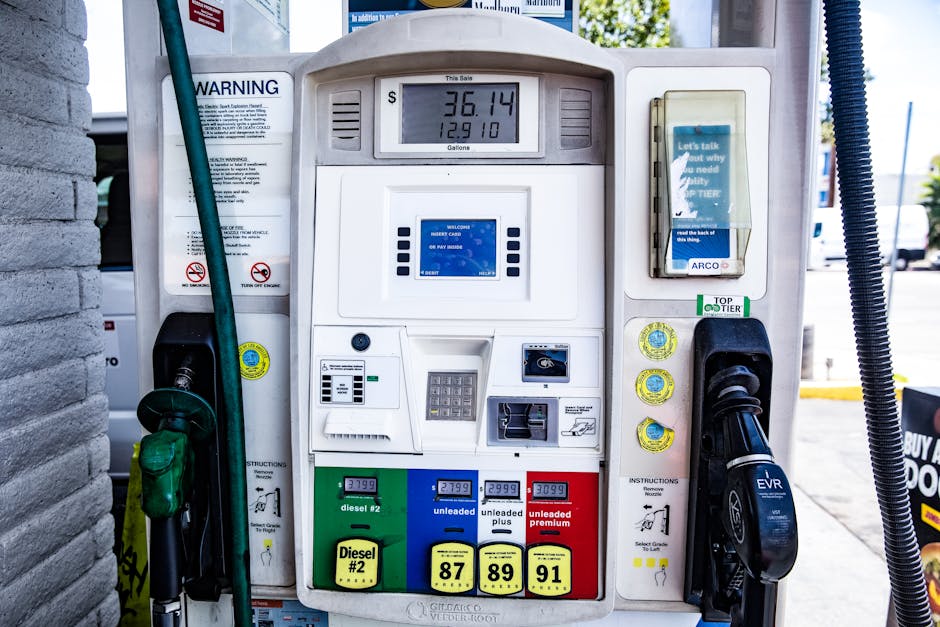
- US tensions with Iran have led to a surge in oil prices and record-high gas prices, affecting the US economy.
- Democrats are questioning the administration’s strategy and handling of the crisis with Iran.
- The US withdrawal from the nuclear deal in 2018 marked the beginning of deteriorating relations with Iran.
- The conflict between the US and Iran has led to a war of words and retaliatory actions, impacting global oil prices.
- A congressional hearing highlighted the deepening divide between the administration and lawmakers over US energy policy.
The United States is witnessing a significant escalation in tensions with Iran, and the impact is being felt at the gas pumps. With gas prices surging to record highs, Democrats are clashing with the US Energy Secretary over the administration’s handling of the crisis. In a heated exchange, a Democratic congresswoman told the Energy Secretary that he is “living in a different world”. The confrontation highlights the deepening divide between the administration and lawmakers over the US’s energy policy and its implications for the economy.
Background and Context

The current tensions with Iran have their roots in the US withdrawal from the nuclear deal in 2018. Since then, the relationship between the two countries has continued to deteriorate, with both sides engaging in a war of words and retaliatory actions. The situation took a turn for the worse with the killing of a top Iranian military commander in a US drone strike, prompting Iran to launch missile attacks on US bases in Iraq. The conflict has led to a surge in oil prices, with gas prices rising to record highs. The Democrats are now questioning the administration’s strategy and its impact on the US economy.
The Congressional Hearing

The US Energy Secretary was grilled by Democrats during a congressional hearing, with lawmakers expressing concerns over the administration’s handling of the crisis. The Energy Secretary was asked to explain the administration’s strategy for dealing with the surge in gas prices and its plans for reducing the US’s reliance on foreign oil. The hearing turned heated when a Democratic congresswoman accused the Energy Secretary of being out of touch with reality. The congresswoman’s comments were met with applause from her colleagues, highlighting the deepening divide between the administration and lawmakers over the US’s energy policy.
Analysis and Implications
The clash between the Democrats and the US Energy Secretary has significant implications for the US economy. The surge in gas prices is likely to have a negative impact on consumer spending, which could lead to a slowdown in economic growth. The conflict with Iran has also led to an increase in oil prices, which could lead to higher production costs for businesses. The Democrats are now calling for the administration to take immediate action to address the crisis, including releasing oil from the Strategic Petroleum Reserve to stabilize prices. The administration, however, is resisting these calls, arguing that the US needs to maintain its strategic reserve in case of a major disruption to oil supplies.
Impact on the US Economy
The conflict with Iran and the resulting surge in gas prices are likely to have a significant impact on the US economy. The higher gas prices will lead to increased costs for consumers and businesses, which could lead to a slowdown in economic growth. The impact will be felt across various sectors, including transportation, manufacturing, and retail. The Democrats are now calling for the administration to take immediate action to address the crisis, including investing in renewable energy and reducing the US’s reliance on foreign oil. The administration, however, is resisting these calls, arguing that the US needs to maintain its current energy policy to ensure energy security.
Expert Perspectives
Experts are divided over the implications of the conflict with Iran and the resulting surge in gas prices. Some argue that the US needs to take immediate action to address the crisis, including releasing oil from the Strategic Petroleum Reserve to stabilize prices. Others argue that the US needs to maintain its current energy policy, including its reliance on foreign oil, to ensure energy security. The divide highlights the complexity of the issue and the need for a comprehensive solution that takes into account the various stakeholders and their interests.
Looking ahead, the US is likely to face significant challenges in addressing the crisis. The conflict with Iran shows no signs of abating, and the resulting surge in gas prices is likely to continue. The Democrats and the administration will need to work together to find a solution that addresses the concerns of all stakeholders. The question on everyone’s mind is what the future holds for the US’s energy policy and its implications for the economy. Will the US be able to reduce its reliance on foreign oil and transition to renewable energy, or will it continue to rely on fossil fuels? Only time will tell.