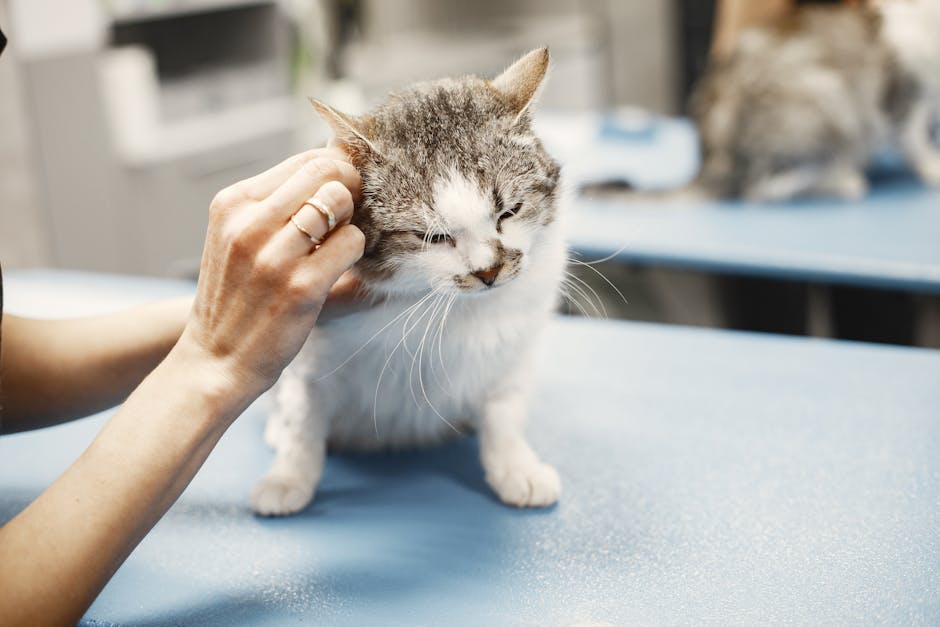
- Over 100,000 pets are treated for flea-borne illnesses each year, prompting a review of over-the-counter flea treatments.
- The rise in adverse reactions to over-the-counter flea medications has raised concerns over their safety and efficacy.
- The environmental impact of flea treatments may be contributing to the decline of certain species and waterway contamination.
- Public awareness of flea treatment issues is growing, prompting pressure on ministers to take decisive action.
- A ban on over-the-counter flea treatments may require pet owners to obtain a prescription from a veterinarian instead.
A striking statistic has prompted ministers to consider a drastic measure: over 100,000 pets are treated for flea-borne illnesses each year, with many more suffering in silence. The culprit behind these staggering numbers is often the very medication meant to prevent such issues – over-the-counter flea treatments. As the situation continues to worsen, the government is now weighing the option of banning these products from general sale, instead requiring pet owners to obtain a prescription from a veterinarian before purchasing them. This move, if implemented, would mark a significant shift in the way pet care is managed, with potential far-reaching consequences for both pets and their owners.
The Rising Concerns Over Flea Treatments

The consideration of such a ban comes at a time when concerns over the safety and efficacy of over-the-counter flea treatments are at an all-time high. Reports of pets experiencing adverse reactions to these medications have been on the rise, prompting many to question the wisdom of allowing their unrestricted sale. Furthermore, the environmental impact of these chemicals has also become a point of contention, with studies suggesting that they may be contributing to the decline of certain species and the contamination of waterways. As public awareness of these issues grows, so too does the pressure on ministers to take decisive action, making the current debate over the future of flea treatments a timely and necessary one.
Key Details of the Proposed Ban

The proposed ban would primarily affect spot-on treatments and flea collars, which are currently available for purchase in pet stores and online without the need for a prescription. Under the new regulations, pet owners would be required to consult with a veterinarian before obtaining these products, allowing for a more tailored approach to flea control that takes into account the specific needs and health status of each pet. This move is expected to not only reduce the incidence of adverse reactions but also promote more responsible use of these medications, potentially leading to better outcomes for pets and the environment alike. Ministers involved in the decision-making process have emphasized the importance of balancing pet health with environmental concerns, suggesting that the ban, if implemented, would be part of a broader strategy to improve animal welfare and sustainability.
Analysis of the Potential Impact
An analysis of the potential impact of such a ban reveals a complex landscape of benefits and challenges. On one hand, restricting access to flea treatments could lead to a significant reduction in the number of pets suffering from flea-borne illnesses, as well as a decrease in environmental pollution. On the other hand, the requirement for a veterinary prescription could pose a barrier to access for some pet owners, particularly those in rural or disadvantaged areas where veterinary services may be less readily available. Experts have also pointed out that the success of such a policy would depend on the ability of the veterinary profession to absorb the increased demand for consultations, as well as the willingness of pet owners to comply with the new regulations. Data from similar policies implemented in other countries suggests that, while there may be initial challenges, the long-term benefits to pet health and the environment can be substantial.
Implications for Pet Owners and the Environment
The implications of a ban on over-the-counter flea treatments would be far-reaching, affecting not only pet owners but also the environment. For pet owners, the most immediate impact would be the need to schedule veterinary consultations before purchasing flea treatments, which could potentially increase the cost of pet care. However, this added step could also lead to more personalized advice and treatment plans, ultimately resulting in better health outcomes for pets. From an environmental perspective, the reduction in the use of certain chemicals could have a positive impact on biodiversity and water quality, contributing to a healthier ecosystem. As the government weighs the pros and cons of such a policy, it is clear that the decision will have significant repercussions for both human and animal populations.
Expert Perspectives
Experts in the field have offered contrasting viewpoints on the proposed ban, reflecting the complexity of the issue. Some have welcomed the move as a necessary step towards improving pet health and reducing environmental harm, arguing that the benefits outweigh the potential drawbacks. Others have expressed concerns about the practicality of the ban, citing issues such as increased costs for pet owners and the potential for a black market in flea treatments. Despite these differences in opinion, there is a general consensus that the current situation is unsustainable and that some form of action is needed to address the problems associated with over-the-counter flea treatments.
Looking forward, the key question is how the government will choose to proceed, given the array of factors at play. Will the proposed ban be implemented in its current form, or will it be modified based on feedback from stakeholders? How will the veterinary profession and pet owners adapt to the new regulations, and what support systems will be put in place to ensure a smooth transition? As the situation continues to evolve, one thing is certain – the future of flea treatments for pets will be shaped by a combination of scientific evidence, political will, and societal demand for better health and environmental outcomes.