- San Ramón, a town in Costa Rica’s cloud forest, has become a sanctuary for families deported from the U.S. under Trump’s policies.
- The influx of deported families in San Ramón highlights the challenges and the need for support systems in the wake of stricter immigration policies.
- The town’s community, including expats and Quakers, provides essential services such as housing, food, education, and job opportunities to help these families adapt.
- San Ramón exemplifies how community-led initiatives can provide a vital lifeline to families affected by deportation.
- The situation in San Ramón underscores the humanitarian impact of immigration policies on families and the importance of supportive communities.
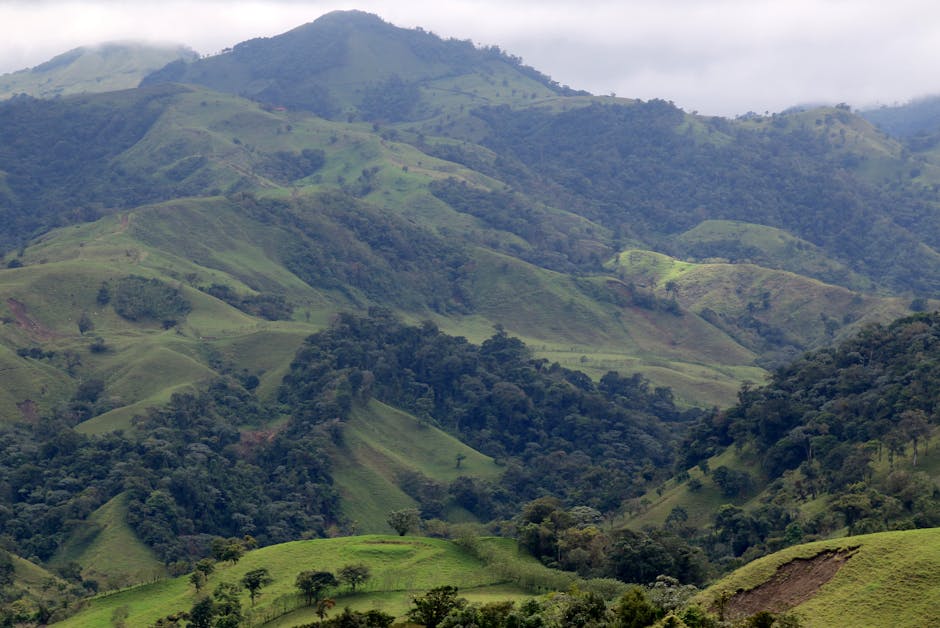
The town of San Ramón in Costa Rica’s central highlands has become an unlikely sanctuary for families deported from the United States under the Trump administration’s stricter immigration policies. Nestled in a cloud forest, this picturesque village has seen an influx of families seeking refuge after being expelled from the US. The town’s residents, along with a network of foreigners and pacifist Quakers, have come together to provide a precarious yet vital support system for these families. With many having lived in the US for years, the deported families face significant challenges adapting to life in a new country, and San Ramón’s sanctuary is a beacon of hope in a time of uncertainty.
A Haven in the Clouds

The situation in San Ramón is a testament to the human impact of the Trump administration’s immigration policies. Since 2017, the US has seen a significant increase in deportations, with many families being torn apart in the process. For those deported to Costa Rica, San Ramón has become a vital lifeline, offering a safe and welcoming environment for families to rebuild their lives. The town’s unique blend of Costa Rican culture and expat community has created a supportive network that provides everything from food and shelter to education and job opportunities. As the world grapples with the complexities of immigration, San Ramón stands as a shining example of community-led initiatives making a real difference in the lives of those affected.
Key Players in the Sanctuary Effort

The sanctuary effort in San Ramón is a collaborative endeavor involving a range of key players. At the heart of the initiative are the town’s residents, who have opened their homes and hearts to the deported families. The pacifist Quaker community has also played a significant role, providing financial and emotional support to those in need. Additionally, a network of foreigners, including expats and volunteers, has helped to facilitate the provision of essential services such as education and healthcare. The Costa Rican government has also shown support for the initiative, recognizing the importance of providing a safe and welcoming environment for those seeking refuge. As the sanctuary effort continues to grow, it is clear that the collaboration and dedication of these key players will be essential in ensuring the long-term success of the project.
Understanding the Complexities of Deportation
The deportation of families from the US to Costa Rica is a complex issue, driven by a range of factors including economic, social, and political considerations. For many of those deported, the decision to leave their home countries was driven by a desire to escape poverty, violence, or persecution. Having lived in the US for years, often working and contributing to their communities, the experience of being deported can be traumatic and disorienting. The sanctuary in San Ramón provides a vital safe space for these families to come to terms with their situation and plan for the future. By providing access to education, job training, and other support services, the sanctuary helps families to rebuild their lives and create a new sense of purpose and belonging. As experts point out, the long-term success of such initiatives will depend on addressing the root causes of migration and creating more compassionate and sustainable immigration policies.
Implications for the Families and the Community
The implications of the sanctuary effort in San Ramón are far-reaching, affecting not only the families seeking refuge but also the wider community. For the deported families, the sanctuary provides a vital lifeline, offering a safe and supportive environment in which to rebuild their lives. The community as a whole also benefits, as the sanctuary initiative helps to foster a sense of social cohesion and community spirit. By working together to support those in need, the residents of San Ramón are creating a more compassionate and inclusive society, one that values the contributions and dignity of all individuals. As the world watches, the sanctuary effort in San Ramón serves as a powerful reminder of the importance of community-led initiatives in addressing the complex challenges of migration and deportation.
Expert Perspectives
Experts in the field of migration and deportation have praised the sanctuary effort in San Ramón, highlighting its importance as a model for community-led initiatives. According to Dr. Maria Rodriguez, a leading expert on migration studies, “The sanctuary in San Ramón is a beacon of hope for families deported from the US. It shows that even in the darkest of times, there are still communities willing to come together and support those in need.” In contrast, some critics have raised concerns about the long-term sustainability of the initiative, arguing that it may create dependencies and undermine the ability of families to reintegrate into Costa Rican society. As the debate continues, one thing is clear: the sanctuary effort in San Ramón has sparked a vital conversation about the need for more compassionate and sustainable immigration policies.
As the situation in San Ramón continues to evolve, one question remains: what does the future hold for the families seeking refuge in this cloud forest village? Will the sanctuary effort be able to provide a long-term solution, or will it simply be a temporary reprieve from the challenges of deportation? As the world watches, it is clear that the story of San Ramón’s sanctuary will be one of hope, resilience, and the power of community to create positive change in the face of adversity. With the ongoing support of the town’s residents, the pacifist Quaker community, and the network of foreigners and volunteers, there is every reason to believe that the sanctuary effort will continue to thrive, providing a vital safe space for families to rebuild their lives and create a brighter future.