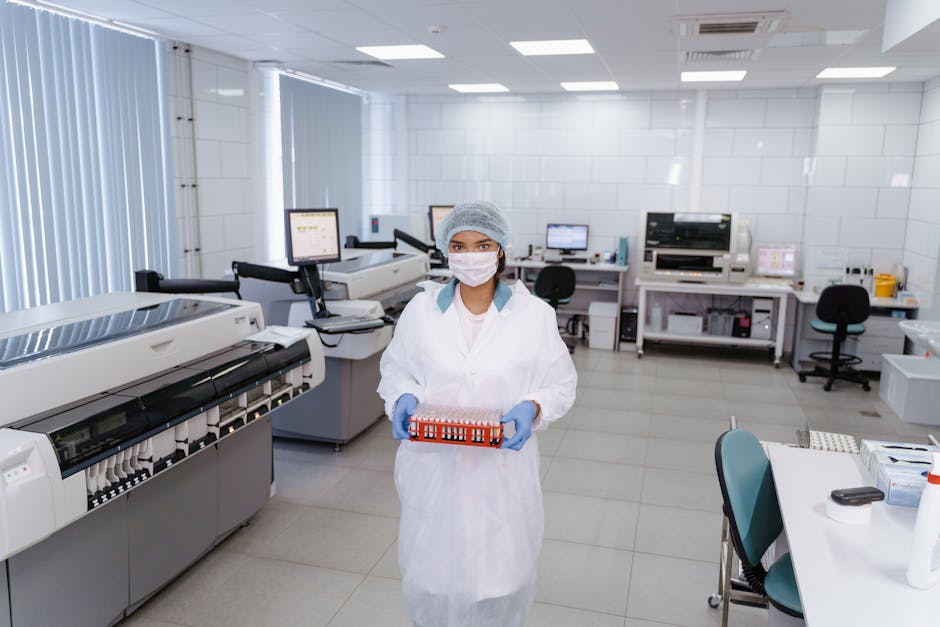
- Cloning humans is a complex process that cannot create an exact duplicate of the original person due to environmental factors and experiences.
- Replacing a person with a clone raises ethical and philosophical questions about identity, free will, and the human condition.
- Recent conspiracy theories about celebrities being replaced by clones are not supported by scientific evidence or logical reasoning.
- The feasibility and ethics of human cloning are important topics for ongoing scientific and societal discussion.
- Environmental and experiential factors significantly influence an individual’s personality and behavior, making perfect replication impossible.
The idea of cloning humans has long been a topic of fascination and debate. Recently, a conspiracy theory has emerged suggesting that several celebrities, including Jim Carrey, have been replaced by clones. This notion may seem like the stuff of science fiction, but it has sparked a lively discussion about the possibilities and pitfalls of human cloning. With the advancement of genetic engineering and cloning technologies, it’s essential to examine the feasibility and implications of cloning humans, especially in the context of replacing individuals with identical replicas.
The Cloning Conundrum

The concept of cloning humans raises several concerns, from the ethical and moral implications to the scientific and logistical challenges. Cloning involves creating an exact genetic replica of an individual, which is a complex and delicate process. Even if it were possible to clone a human, the resulting clone would not be an exact duplicate of the original person. Environmental factors, experiences, and memories all contribute to an individual’s personality and behavior, making it impossible to replicate someone entirely. Moreover, the idea of replacing a person with a clone raises questions about identity, free will, and the human condition.
Debunking the Clone Conspiracy

A closer examination of the clone conspiracy theory reveals several flaws in its logic. For instance, if a celebrity were to be replaced by a clone, it would require an enormous amount of resources and technological advancements that are currently beyond our capabilities. Furthermore, the clone would need to have the same memories, experiences, and personality as the original person, which is a daunting task. The theory also fails to account for the physical and biological differences that would arise between the original and the clone. In reality, cloning a human is a highly complex and unlikely scenario, and the idea of replacing someone with a clone is more of a fictional concept than a realistic possibility.
Scientific and Ethical Considerations
The scientific community has made significant progress in cloning animals, but the process is still far from being perfected. Cloning humans poses unique challenges, including the risk of genetic mutations, health problems, and abnormal development. Moreover, the ethical implications of cloning humans are profound, as it raises questions about the value and dignity of human life. The possibility of creating human clones for the purpose of replacement or exploitation is a disturbing one, and it highlights the need for strict regulations and guidelines on genetic engineering and cloning technologies.
Implications and Consequences
The idea of cloning humans, even if it were possible, has far-reaching implications for society and individuals. It challenges our understanding of identity, personhood, and what it means to be human. The potential consequences of cloning humans, including the possibility of creating a class of cloned individuals, are unsettling and warrant careful consideration. As we continue to advance our understanding of genetic engineering and cloning technologies, it’s essential to prioritize ethical and responsible research, ensuring that these advancements are used for the betterment of humanity, not its exploitation.
Expert Perspectives
Experts in the field of genetics and biotechnology have weighed in on the topic of human cloning, highlighting the significant scientific and ethical hurdles that must be overcome. While some argue that cloning humans could have potential benefits, such as the creation of organs for transplantation, others emphasize the need for caution and strict regulation. As Dr. Jennifer Doudna, a leading geneticist, notes, “The idea of cloning humans is a complex and multifaceted issue that requires careful consideration of the scientific, ethical, and social implications.”
Looking ahead, it’s crucial to continue monitoring the development of genetic engineering and cloning technologies, ensuring that they are used responsibly and for the greater good. As we navigate the uncharted territory of human cloning, it’s essential to prioritize open and informed discussions, addressing the potential risks and benefits of these advancements. Ultimately, the decision to pursue human cloning should be guided by a deep understanding of the science, ethics, and implications involved, rather than speculation or conspiracy theories.