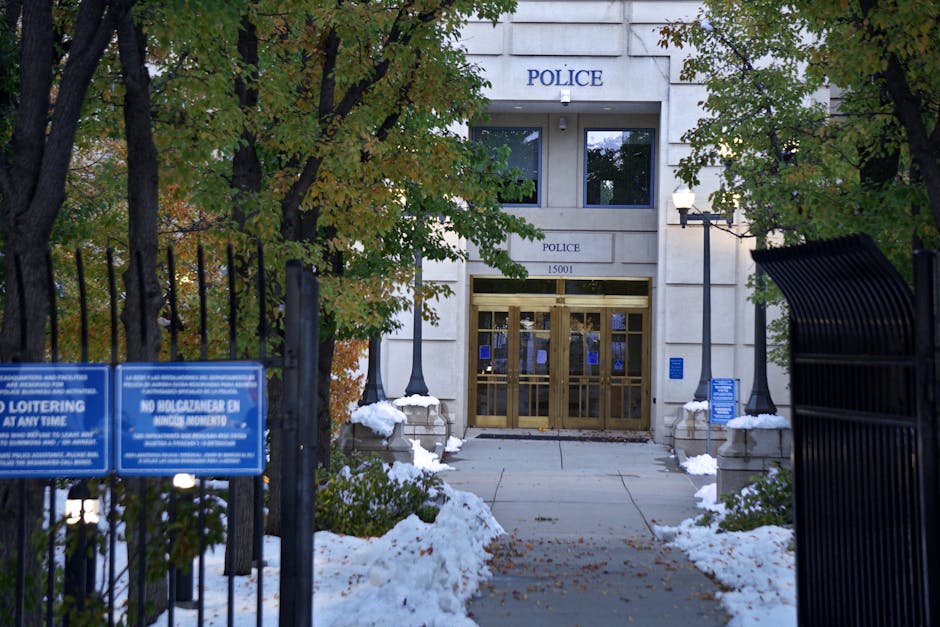
- Alexandre Ramagem, Brazil’s ex-spy chief, was released from US custody after being held by ICE in Florida.
- Ramagem’s release has sparked controversy and debates about international cooperation and law enforcement.
- His case highlights the complexities of international law and the fragility of Brazil’s democratic system.
- The situation has raised questions about the role of the US in harboring fugitives from other countries.
- Brazilian authorities criticize Ramagem’s release, arguing he should face justice for his involvement in a coup plot.
A striking fact has emerged in the realm of international diplomacy, as Alexandre Ramagem, Brazil’s fugitive ex-spy chief, has been freed in the United States after being held by Immigration and Customs Enforcement (ICE) in Florida. This development has sparked controversy and raised questions about the diplomatic relations between the US and Brazil. Ramagem’s release comes after he fled Brazil following his conviction for plotting a coup, highlighting the complexities of international law and cooperation. The situation has sparked a heated debate about the role of the US in harboring fugitives and the implications for global diplomacy.
The Background of Ramagem’s Case

The case of Alexandre Ramagem is a complex one, with roots in Brazil’s tumultuous political landscape. Ramagem was convicted of plotting a coup in Brazil, a charge that carries significant weight in the country’s fragile democratic system. His flight from Brazil and subsequent detention in the US have raised questions about the effectiveness of international law enforcement cooperation and the willingness of countries to extradite fugitives. The situation is further complicated by the fact that Ramagem’s release has been met with criticism from Brazilian authorities, who argue that he should be held accountable for his actions. As the situation continues to unfold, it is clear that Ramagem’s case will have significant implications for the diplomatic relations between the US and Brazil.
Key Details of Ramagem’s Detention and Release

The details of Ramagem’s detention and release are still emerging, but it is clear that his case has sparked a significant response from both US and Brazilian authorities. Ramagem was held by ICE in Florida on Monday, pending a decision on his extradition to Brazil. However, his release has raised questions about the process by which he was freed and the role of the US in harboring fugitives. The situation has also highlighted the complexities of international law, with some arguing that Ramagem’s release is a violation of Brazil’s sovereignty. As the situation continues to unfold, it is clear that Ramagem’s case will be closely watched by diplomats and legal experts around the world.
Analysis of the Situation
An analysis of the situation reveals a complex web of diplomatic and legal implications. The release of Ramagem has sparked tensions between the US and Brazil, with some arguing that the US is not doing enough to cooperate with Brazilian authorities. The situation has also raised questions about the effectiveness of international law enforcement cooperation and the willingness of countries to extradite fugitives. Furthermore, the case has highlighted the complexities of diplomatic relations between the US and Brazil, with some arguing that the US is prioritizing its own interests over its obligations to cooperate with other countries. As the situation continues to unfold, it is clear that Ramagem’s case will have significant implications for global diplomacy and international law.
Implications of Ramagem’s Release
The implications of Ramagem’s release are far-reaching and complex. The situation has sparked controversy and raised questions about the diplomatic relations between the US and Brazil. The release of Ramagem has also highlighted the complexities of international law and the challenges of cooperation between countries. Furthermore, the case has raised questions about the role of the US in harboring fugitives and the implications for global diplomacy. As the situation continues to unfold, it is clear that Ramagem’s case will have significant implications for the diplomatic relations between the US and Brazil, as well as the broader global community.
Expert Perspectives
Experts are weighing in on the situation, with some arguing that Ramagem’s release is a violation of Brazil’s sovereignty. Others argue that the US is prioritizing its own interests over its obligations to cooperate with other countries. The situation has sparked a heated debate about the role of the US in international diplomacy and the implications for global cooperation. As the situation continues to unfold, it is clear that Ramagem’s case will be closely watched by diplomats and legal experts around the world.
Looking forward, the situation raises significant questions about the future of diplomatic relations between the US and Brazil. Will the US cooperate with Brazilian authorities to extradite Ramagem, or will he be allowed to remain in the US? The situation is complex and multifaceted, with significant implications for global diplomacy and international law. As the situation continues to unfold, it is clear that Ramagem’s case will be a major point of contention in the months and years to come.