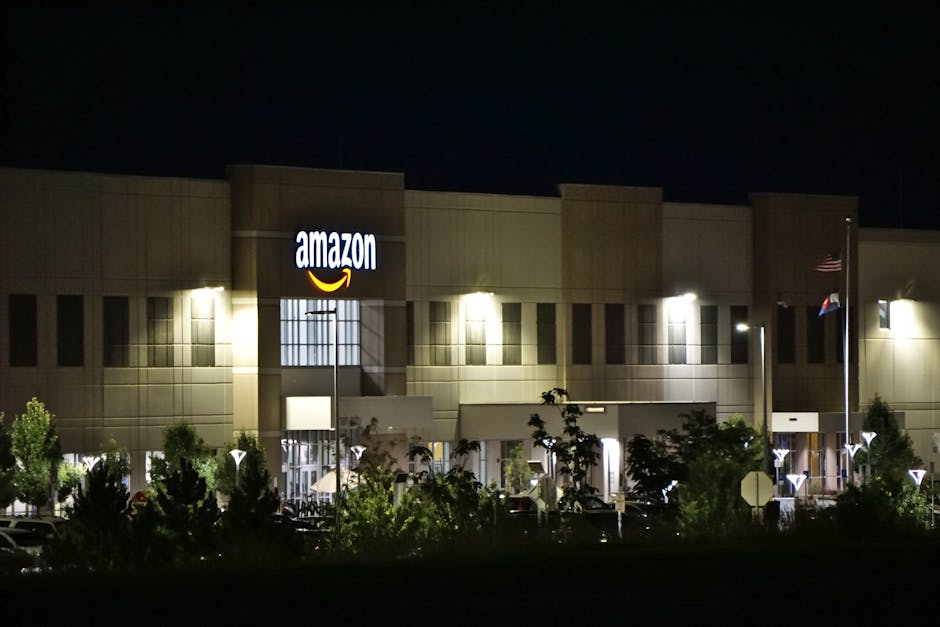
- Amazon sellers are boycotting the online retailer’s advertising platform to protest policy changes that squeeze their margins.
- The policy changes have been described as a ‘margin killer’ by some sellers, forcing them to pay more for advertising while receiving less in return.
- Amazon sellers claim that the policy changes favor larger retailers, making it impossible for them to make a profit.
- The boycott is a significant escalation of the dispute between Amazon and its sellers, with many sellers feeling desperate and frustrated.
- Amazon’s advertising policy changes have sparked a major crisis for the company, with sellers threatening to reduce their prices or leave the platform.
A striking fact has come to light: hundreds of large Amazon sellers have boycotted the online retailer’s advertising platform to protest policy changes that they claim are squeezing their margins. The boycott, which began on Wednesday, is a significant move by the sellers, who are unhappy with the changes that Amazon has introduced to its advertising policies. The policy changes have been described as a “margin killer” by some sellers, who claim that they are being forced to pay more for advertising while receiving less in return. As one seller put it, “We’re running out of f—ing margin,” highlighting the desperation and frustration that many sellers are feeling.
Background to the Dispute

The dispute between Amazon and its sellers has been brewing for some time, with many sellers feeling that the company’s policies are unfair and favor larger retailers. The latest policy changes, which include increases in advertising fees and changes to the way that ads are displayed, have been the final straw for many sellers. They claim that the changes are making it impossible for them to make a profit, and that they are being forced to choose between paying more for advertising or reducing their prices to stay competitive. The boycott is a significant escalation of the dispute, and it will be interesting to see how Amazon responds to the sellers’ demands. The company has so far refused to comment on the boycott, but it is likely that it will be forced to address the issue in the coming days.
Key Details of the Boycott

The boycott is being organized by a group of large Amazon sellers, who are using social media and other channels to coordinate their efforts. The sellers are refusing to pay for advertising on Amazon’s platform, and are instead using other channels to promote their products. The boycott is not universal, and some sellers are continuing to advertise on Amazon as usual. However, the fact that hundreds of large sellers are participating in the boycott suggests that it is having a significant impact on Amazon’s advertising revenue. The sellers are also using the boycott to raise awareness of their concerns, and to put pressure on Amazon to change its policies. As one seller put it, “We’re not just doing this for ourselves, we’re doing it for all the other sellers who are being squeezed by Amazon’s policies.”
Analysis of the Dispute
The dispute between Amazon and its sellers is complex, and there are many factors at play. One of the main issues is the way that Amazon’s algorithms favor larger retailers, making it difficult for smaller sellers to compete. The policy changes have also been criticized for being opaque and difficult to understand, with many sellers claiming that they were not given sufficient notice or explanation of the changes. The boycott is also having an impact on Amazon’s stock price, which has fallen in recent days as investors become increasingly concerned about the company’s relationships with its sellers. According to some analysts, the dispute could have significant implications for Amazon’s business model, and could potentially lead to a decline in the company’s revenue and profits.
Implications of the Boycott
The implications of the boycott are far-reaching, and could have a significant impact on Amazon’s business. If the boycott is successful, it could lead to changes in Amazon’s policies, and could potentially give sellers more power and influence over the company’s decision-making processes. However, if the boycott fails, it could lead to a decline in the number of sellers on Amazon’s platform, and could potentially harm the company’s reputation and relationships with its customers. The boycott is also having an impact on other e-commerce companies, which are watching the dispute with interest and considering their own relationships with sellers. As one analyst put it, “The Amazon seller boycott is a wake-up call for the entire e-commerce industry, and could potentially lead to significant changes in the way that companies interact with their sellers.”
Expert Perspectives
Experts are divided on the implications of the boycott, with some seeing it as a significant challenge to Amazon’s business model, and others viewing it as a minor blip on the company’s radar. According to some experts, the boycott could be a turning point in the relationship between Amazon and its sellers, and could potentially lead to significant changes in the company’s policies and practices. However, others see the boycott as a desperate attempt by sellers to cling to their margins, and believe that it will ultimately fail to achieve its goals. As one expert put it, “The Amazon seller boycott is a symptom of a larger problem, and highlights the need for greater transparency and fairness in the e-commerce industry.”
The boycott also raises questions about the future of e-commerce, and the role that sellers will play in the industry. As the industry continues to evolve, it is likely that we will see more disputes and conflicts between companies and their sellers. The key question is how companies like Amazon will respond to these challenges, and whether they will be able to find a balance between their own interests and the needs of their sellers. As one expert put it, “The Amazon seller boycott is just the beginning, and we can expect to see more conflicts and challenges in the e-commerce industry in the coming years.”