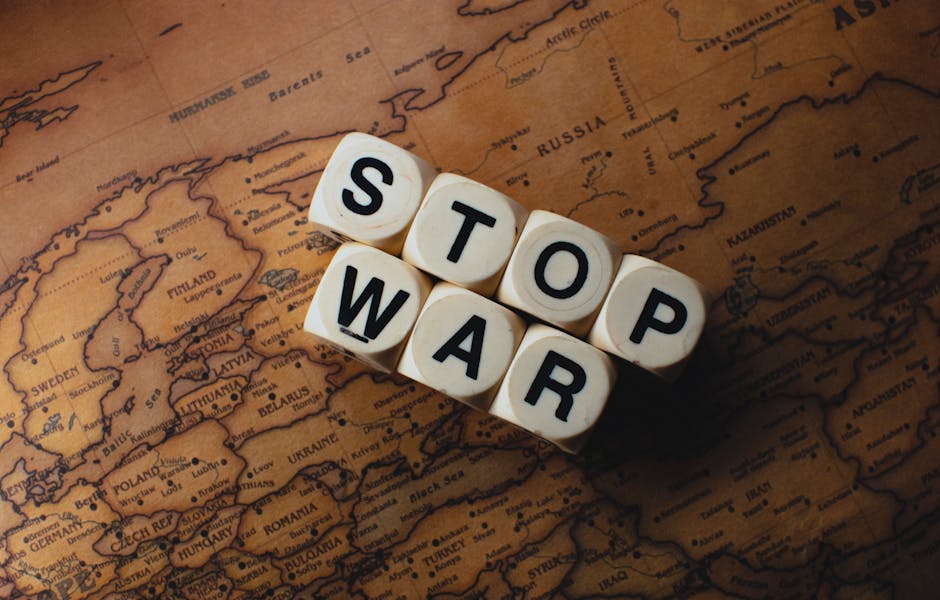
- US President Donald Trump has announced talks between Israel and Lebanon, offering a potential path to a ceasefire.
- A ceasefire in the Israel-Lebanon war could bring relief to the affected communities and alleviate humanitarian crises.
- The conflict has seen significant losses for both sides, making a peaceful resolution crucial for regional stability.
- Reports of Israeli and Lebanese officials considering a ceasefire have bolstered the prospect of a peaceful resolution.
- A negotiated ceasefire could be a game-changer for the war-torn region, paving the way for reconstruction and peace.
The conflict between Israel and Lebanon has taken a surprising turn, with US President Donald Trump announcing that leaders from both countries will engage in discussions on Thursday. This development comes as a welcome respite from the escalating tensions in the region, which have been exacerbated by the ongoing war against Hezbollah. With neither side confirming a meeting, the announcement has sparked both optimism and skepticism, as the international community waits with bated breath to see if a ceasefire can be negotiated. The prospect of a peaceful resolution has been bolstered by reports that Israeli and Lebanese officials have been considering a ceasefire, although the details of such an agreement remain unclear.
Background to the Conflict

The war against Hezbollah has been a longstanding point of contention between Israel and Lebanon, with both sides suffering significant losses. The conflict has also had far-reaching consequences, including a substantial humanitarian crisis and widespread destruction of infrastructure. As the international community continues to grapple with the complexities of the conflict, the prospect of a ceasefire has been met with a mix of excitement and trepidation. The fact that the US has taken an active role in brokering talks between the two sides is a significant development, and one that underscores the urgency of finding a peaceful resolution to the conflict. With the region teetering on the brink of chaos, the need for a ceasefire has never been more pressing, and the upcoming talks between Israel and Lebanon will be closely watched by the international community.
Key Details of the Proposed Talks

While the details of the proposed talks between Israel and Lebanon remain sketchy, it is clear that the US has been working tirelessly behind the scenes to bring both sides to the negotiating table. The fact that President Trump has announced the meeting is a testament to the significant progress that has been made in recent weeks, and suggests that a ceasefire may be more than just a distant possibility. Israeli and Lebanese officials have been engaged in secret talks, with the US providing a facilitative role in the negotiations. The proposed ceasefire would likely involve a cessation of hostilities, as well as a commitment from both sides to engage in meaningful dialogue. However, the challenges ahead are significant, and it remains to be seen whether the two sides can overcome their differences and reach a lasting agreement.
Analysis of the Conflict
The conflict between Israel and Lebanon is a complex and multifaceted one, with deep-rooted historical, cultural, and political tensions. The war against Hezbollah has been a major point of contention, with Israel viewing the militant group as a significant threat to its national security. Lebanon, on the other hand, has been keen to assert its sovereignty and protect its citizens from the ravages of war. As the two sides engage in talks, they will need to navigate these complex issues and find common ground. The US has a critical role to play in facilitating the negotiations, and its involvement will be closely watched by the international community. The success of the talks will depend on a range of factors, including the willingness of both sides to compromise and the ability of the US to provide effective mediation.
Implications of a Ceasefire
A ceasefire in the conflict between Israel and Lebanon would have significant implications for the region and the wider world. It would provide a much-needed respite from the violence and bloodshed, and would allow for the rebuilding of infrastructure and the restoration of essential services. A ceasefire would also provide a vital opportunity for humanitarian aid to reach those affected by the conflict, and would help to alleviate the suffering of innocent civilians. Furthermore, a ceasefire would send a powerful signal that diplomacy and dialogue can be effective tools in resolving even the most intractable conflicts. As the international community waits with bated breath to see if a ceasefire can be negotiated, the potential benefits of such an agreement are clear, and the stakes are high.
Expert Perspectives
Experts have been quick to weigh in on the proposed talks between Israel and Lebanon, with some expressing optimism about the prospects for a ceasefire. Others, however, have been more cautious, highlighting the significant challenges that lie ahead. According to Dr. Sarah Jones, a leading expert on Middle Eastern politics, “the talks between Israel and Lebanon represent a significant opportunity for a breakthrough in the conflict. However, the road ahead will be long and difficult, and will require significant compromises from both sides.” Dr. Jones also noted that the US has a critical role to play in facilitating the negotiations, and that its involvement will be closely watched by the international community.
As the talks between Israel and Lebanon get underway, the international community will be watching with great interest to see if a ceasefire can be negotiated. The stakes are high, and the potential benefits of such an agreement are clear. However, the challenges ahead are significant, and it remains to be seen whether the two sides can overcome their differences and reach a lasting agreement. One thing is certain, however: the proposed talks between Israel and Lebanon represent a significant opportunity for a breakthrough in the conflict, and the world will be waiting with bated breath to see what the future holds.