The energy crisis unfolding in the Middle East has added political urgency, and more funding, to transform South Korea’s solar industry. With the Iran crisis deepening, South Korea is seizing the opportunity to reduce its dependence on fossil fuels and accelerate its transition to renewable energy. The country’s solar industry is poised for significant growth, driven by government incentives, technological advancements, and increasing demand for clean energy. As the world’s 10th-largest energy consumer, South Korea’s shift towards renewables could have far-reaching implications for the global energy landscape.
Solar-Powered Communities

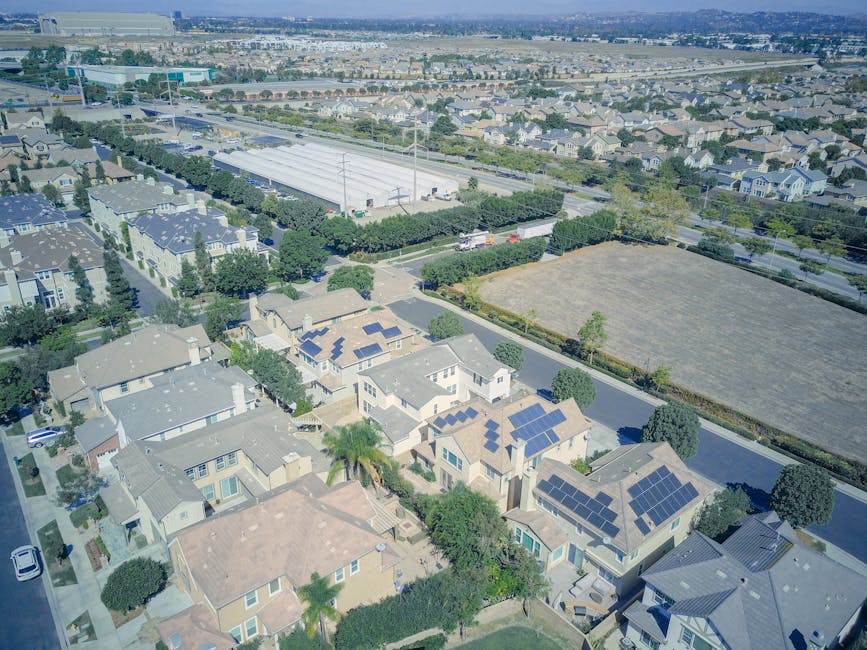
In Guyang-ri, a farming village of 70 households about 90 minutes south-east of Seoul, people gather for communal free lunches six days a week. The meals are funded by the village’s one-megawatt solar installation, which generates roughly 10m won ($6,800) in net profit each month. This innovative approach to community development has not only improved the quality of life for residents but also demonstrated the potential of solar power to drive economic growth and social cohesion. As the village chief, Jeon Joo-young, notes, “Residents eat lunch together every day, so we see each other’s faces, talk together. Bonds and solidarity between residents become much stronger.” The success of Guyang-ri’s solar project has inspired other communities to follow suit, paving the way for a broader renewables revolution in South Korea.
Government Support and Investment

The South Korean government has been instrumental in supporting the growth of the solar industry, with a range of policies and incentives aimed at encouraging investment and adoption. The government’s renewable energy target of 20% of total energy production by 2030 has created a sense of urgency and opportunity, driving companies to invest in solar and other clean energy technologies. Furthermore, the government’s decision to increase funding for renewable energy projects in response to the Iran crisis has provided a significant boost to the industry, enabling companies to develop new solar installations and expand existing ones. As a result, South Korea’s solar market is expected to experience rapid growth, with installed capacity projected to increase by over 50% in the next five years.
Key Players and Projects
Several key players are driving the growth of South Korea’s solar industry, including major conglomerates such as Samsung and LG, as well as specialized solar companies like Hanwha Q Cells. These companies are investing heavily in new solar technologies, including bifacial panels and energy storage systems, which are expected to improve the efficiency and competitiveness of solar power. Meanwhile, the government is supporting the development of large-scale solar projects, including a 100-megawatt solar farm in the southern province of Jeju, which will be one of the largest in the country. As the industry continues to evolve, new opportunities are emerging for companies to develop innovative solar solutions and business models, from community-based projects like Guyang-ri’s to large-scale commercial installations.
Analysis and Implications
The growth of South Korea’s solar industry has significant implications for the country’s energy security, economy, and environment. By reducing its dependence on fossil fuels, South Korea can decrease its vulnerability to price volatility and supply disruptions, while also mitigating the impact of climate change. Furthermore, the solar industry is expected to create thousands of new jobs and stimulate local economies, contributing to the country’s sustainable development. However, the industry also faces challenges, including high upfront costs, intermittent energy supply, and the need for grid infrastructure upgrades. To address these challenges, the government and industry leaders must work together to develop supportive policies, invest in research and development, and promote public awareness and education about the benefits of solar energy.
Expert Perspectives
Experts in the field offer contrasting viewpoints on the future of South Korea’s solar industry. While some believe that the government’s targets are ambitious but achievable, others argue that more needs to be done to address the industry’s challenges and ensure its long-term sustainability. According to Dr. Kim, a leading energy expert, “The key to success lies in creating a stable and predictable policy environment, which will give investors the confidence to commit to large-scale solar projects.” In contrast, others argue that the focus should be on developing innovative technologies and business models, which can help to drive down costs and improve efficiency. As the industry continues to evolve, it is likely that a combination of these approaches will be needed to achieve South Korea’s renewable energy goals.
Looking ahead, the future of South Korea’s solar industry will depend on a range of factors, including government policy, technological innovation, and global market trends. As the country continues to navigate the challenges and opportunities of the Iran crisis, it is likely that the solar industry will play an increasingly important role in shaping South Korea’s energy future. One open question is how the industry will balance the need for rapid growth with the need for sustainability and environmental protection. As the world watches South Korea’s progress, it is clear that the country’s solar revolution has the potential to inspire and inform the global transition to renewable energy.