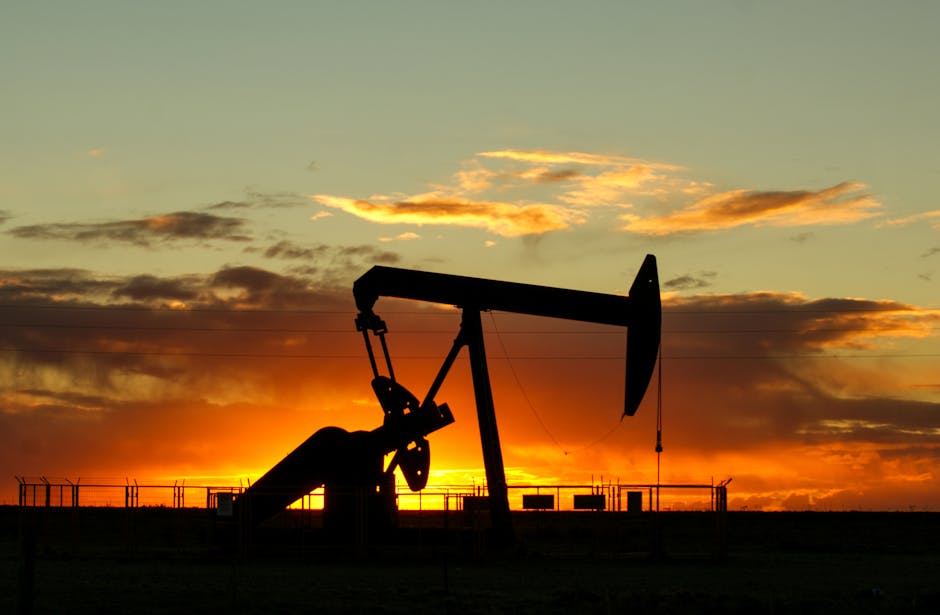
- Repsol has agreed a deal with Venezuela’s government and PDVSA to regain operational control of key oil assets.
- The agreement aims to boost Venezuela’s oil output by 50% over the next three years.
- The deal is expected to provide a much-needed injection of investment into Venezuela’s oil industry.
- Venezuela’s oil production has been in decline for years due to US sanctions, mismanagement, and a lack of investment.
- The agreement is seen as a major step towards restoring Venezuela’s oil industry to its former glory.
Venezuela’s oil production has been in decline for years, with the country’s output plummeting to historic lows due to a combination of factors, including US sanctions, mismanagement, and a lack of investment. However, in a significant move, Spanish energy company Repsol has agreed a deal with Venezuela’s government and state-owned company Petróleos de Venezuela (PDVSA) to regain operational control of key oil assets and sharply increase production over the next three years. The agreement is expected to boost Venezuela’s oil output by as much as 50% and provide a much-needed injection of investment into the country’s beleaguered oil industry.
Venezuela’s Oil Industry: A Story of Decline and Mismanagement

The decline of Venezuela’s oil industry is a story of mismanagement, corruption, and a lack of investment. Once one of the world’s leading oil producers, Venezuela’s output has been in decline for over a decade, with the country’s oil production plummeting from over 3 million barrels per day in 2008 to just over 700,000 barrels per day in 2022. The decline has had a devastating impact on the country’s economy, with Venezuela’s GDP contracting by over 70% since 2013. The agreement between Repsol and PDVSA is seen as a major step towards reversing this decline and restoring Venezuela’s oil industry to its former glory.
Key Details of the Repsol-PDVSA Deal

The agreement between Repsol and PDVSA is a complex one, involving the transfer of operational control of several key oil assets from PDVSA to Repsol. The deal is expected to increase Venezuela’s oil output by as much as 50% over the next three years, with Repsol committing to invest hundreds of millions of dollars in the country’s oil industry. The agreement also includes provisions for the repayment of debts owed by PDVSA to Repsol, which are estimated to be in the hundreds of millions of dollars. The deal is seen as a major coup for Repsol, which has been seeking to increase its presence in Venezuela’s oil industry for several years.
Analysis: Causes, Effects, and Implications
The agreement between Repsol and PDVSA is a significant development for Venezuela’s oil industry, with major implications for the country’s economy and the global oil market. The deal is expected to increase Venezuela’s oil output, which will help to reduce the country’s reliance on imports and provide a much-needed injection of revenue into the country’s economy. However, the agreement is not without its risks, with some analysts warning that the deal could be vulnerable to disruption due to the unstable political situation in Venezuela. Additionally, the deal is likely to face opposition from some quarters, with some arguing that it will only serve to prop up the government of President Nicolas Maduro, which has been accused of human rights abuses and corruption.
Implications for Venezuela and the Global Oil Market
The implications of the Repsol-PDVSA deal are far-reaching, with major consequences for Venezuela and the global oil market. The agreement is expected to increase Venezuela’s oil output, which will help to reduce the country’s reliance on imports and provide a much-needed injection of revenue into the country’s economy. The deal is also likely to have a positive impact on the global oil market, with the increased supply of oil from Venezuela helping to reduce prices and increase stability. However, the agreement is not without its risks, with some analysts warning that it could be vulnerable to disruption due to the unstable political situation in Venezuela.
Expert Perspectives
Experts are divided on the implications of the Repsol-PDVSA deal, with some arguing that it is a major step forward for Venezuela’s oil industry, while others warn that it is a risky move that could have unintended consequences. “The deal is a positive development for Venezuela’s oil industry, as it will provide a much-needed injection of investment and expertise,” said one analyst. However, another expert warned that the agreement is vulnerable to disruption due to the unstable political situation in Venezuela, saying “the deal is a high-risk move that could have major consequences for Repsol and the global oil market”.
The Repsol-PDVSA deal is a significant development for Venezuela’s oil industry, and it will be important to watch how it unfolds over the coming months and years. As the global oil market continues to evolve, it will be interesting to see how the agreement impacts Venezuela’s oil output and the country’s economy. One key question is whether the deal will be able to withstand the challenges posed by the unstable political situation in Venezuela, and whether it will be able to deliver the promised increase in oil output. Only time will tell, but for now, the Repsol-PDVSA deal is a major step forward for Venezuela’s oil industry and a significant development for the global oil market.