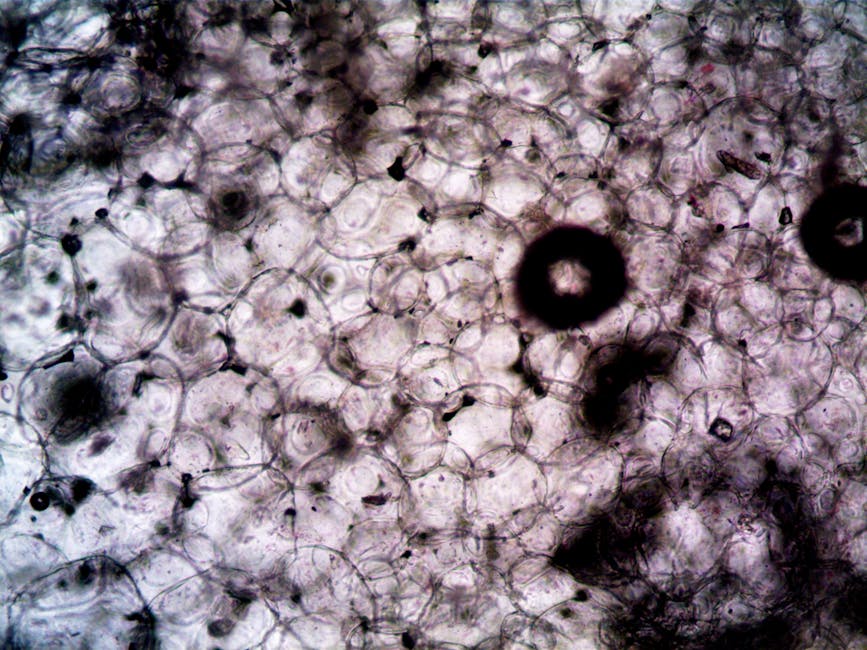
- Removal of ‘zombie’ cells can reverse liver damage in mice, highlighting their role in liver disease progression.
- Accumulation of these cells is a hallmark of aging and fatty liver disease, causing chronic inflammation and tissue damage.
- The presence of ‘zombie’ cells may be a driving force behind the progression of liver disease, making their removal a potential therapeutic strategy.
- Liver damage can be reversed without diet changes, suggesting a new therapeutic approach for liver disease treatment.
- Understanding the interplay between aging, inflammation, and ‘zombie’ cells is crucial for developing effective treatments for liver disease.
A striking fact has emerged in the field of regenerative medicine: the removal of so-called “zombie” cells, also known as senescent cells, can reverse liver damage in mice. This phenomenon has significant implications for our understanding of aging and fatty liver disease, as these cells have been found to accumulate with age and high cholesterol, flooding tissues with inflammation. The study’s findings suggest that the presence of these cells may be a driving force behind the progression of liver disease, and that their removal could be a potential therapeutic strategy. With the global prevalence of liver disease on the rise, this discovery has sparked widespread interest and debate within the scientific community.
The Role of “Zombie” Cells in Liver Disease

The accumulation of “zombie” cells in the liver has been found to be a hallmark of aging and fatty liver disease. These cells, which are characterized by their ability to evade apoptosis, or programmed cell death, can make up a significant proportion of the liver’s immune cells in older mice. As a result, they can cause chronic inflammation and tissue damage, leading to the progression of liver disease. The fact that these cells can be removed and liver damage reversed, even without diet changes, has significant implications for the development of new therapeutic strategies. Furthermore, the study’s findings highlight the importance of understanding the complex interplay between aging, inflammation, and liver disease.
Key Details of the Study

The study, which was conducted on mice, found that the removal of “zombie” cells led to a dramatic reversal of liver damage. The researchers used a novel approach to selectively target and eliminate these cells, resulting in a significant reduction in inflammation and tissue damage. The study’s findings were consistent across different age groups and mouse models, suggesting that the removal of “zombie” cells may be a viable therapeutic strategy for the treatment of liver disease. The researchers involved in the study have hailed the discovery as a major breakthrough, and have emphasized the need for further research to fully understand the mechanisms underlying the accumulation of “zombie” cells and their role in liver disease.
Analysis of the Findings
The study’s findings have significant implications for our understanding of the complex interplay between aging, inflammation, and liver disease. The fact that the removal of “zombie” cells can reverse liver damage, even without diet changes, suggests that these cells may be a primary driver of disease progression. Furthermore, the study’s findings highlight the importance of understanding the role of inflammation in liver disease, and the need for the development of novel therapeutic strategies that target this process. The researchers involved in the study have emphasized the need for further research to fully understand the mechanisms underlying the accumulation of “zombie” cells and their role in liver disease, and have suggested that this discovery may have significant implications for the treatment of other age-related diseases.
Implications of the Study
The study’s findings have significant implications for the millions of people worldwide who suffer from liver disease. The fact that the removal of “zombie” cells can reverse liver damage, even without diet changes, suggests that this may be a viable therapeutic strategy for the treatment of liver disease. Furthermore, the study’s findings highlight the importance of understanding the complex interplay between aging, inflammation, and liver disease, and the need for the development of novel therapeutic strategies that target this process. The researchers involved in the study have emphasized the need for further research to fully understand the mechanisms underlying the accumulation of “zombie” cells and their role in liver disease, and have suggested that this discovery may have significant implications for the treatment of other age-related diseases.
Expert Perspectives
Experts in the field have hailed the study’s findings as a major breakthrough, and have emphasized the need for further research to fully understand the mechanisms underlying the accumulation of “zombie” cells and their role in liver disease. Some experts have suggested that the removal of “zombie” cells may be a viable therapeutic strategy for the treatment of liver disease, while others have emphasized the need for caution and further research. The study’s findings have sparked widespread debate and discussion within the scientific community, and have highlighted the need for a greater understanding of the complex interplay between aging, inflammation, and liver disease.
As researchers continue to explore the role of “zombie” cells in liver disease, several key questions remain to be answered. What are the underlying mechanisms that drive the accumulation of these cells, and how can they be targeted therapeutically? How do “zombie” cells contribute to the progression of liver disease, and what are the implications of their removal for human health? As the scientific community continues to grapple with these questions, one thing is clear: the discovery of the role of “zombie” cells in liver disease has opened up new avenues of research and has the potential to revolutionize our understanding of this complex and devastating disease.