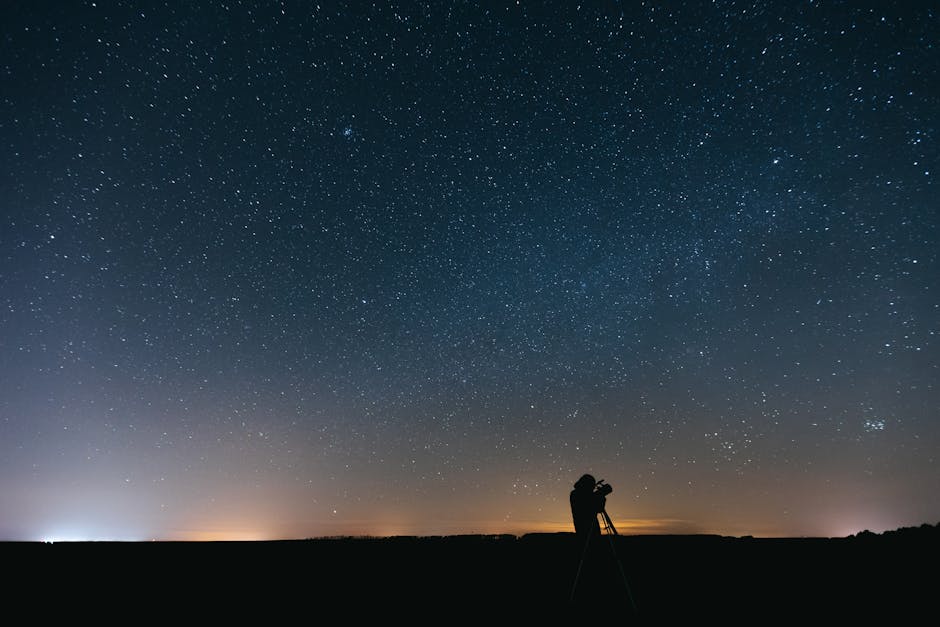
- The Lyrid meteor shower produces 10-20 meteors per hour but can surge to 100 meteors per hour under ideal conditions.
- The Lyrids occur during the spring, making it less popular than other meteor showers like the Perseids or Geminids.
- The Lyrid meteor shower has been observed for over 2,700 years, making it one of the oldest known meteor showers.
- The Lyrids are named after the constellation Lyra, from which the meteors appear to radiate.
- The best viewing times for the Lyrid meteor shower are between midnight and dawn, when the sky is darkest.
Every year, the Lyrid meteor shower graces the night sky, and tonight marks the peak of this celestial phenomenon. Typically, the Lyrids produce around 10 to 20 meteors per hour, but under ideal conditions, the rate can surge to as many as 100 meteors per hour, making it one of the most reliable and visually striking meteor showers of the year. This year, the shower is expected to be particularly vivid, thanks to the absence of moonlight, which will allow the fainter meteors to be more visible.
The Lyrids: A Historical Overview

The Lyrid meteor shower has been observed for over 2,700 years, making it one of the oldest known meteor showers. The shower is named after the constellation Lyra, from which the meteors appear to radiate. Despite its long history, the Lyrids are not as well-known as other meteor showers like the Perseids or Geminids, largely because they occur during the spring, a time when many people are less inclined to stay up late for stargazing. However, the Lyrids have a reputation for producing bright and occasionally fireball-like meteors, which can make the experience unforgettable.
What to Expect Tonight

This year, the Lyrid meteor shower will peak on the night of April 22nd and the early morning of April 23rd. The best viewing times will be between midnight and dawn, when the sky is darkest and the meteors are most visible. The radiant point of the shower, the constellation Lyra, will be high in the sky during these hours, allowing for a clear view of the meteors. While the average rate is around 10 to 20 meteors per hour, there is a chance for a surge, making it an exciting night for amateur astronomers and casual stargazers alike.
Optimal Viewing Conditions
To maximize your chances of spotting the Lyrids, it’s crucial to find a location away from city lights, where the sky is as dark as possible. Light pollution can significantly reduce the visibility of meteors. Once you’ve found a suitable spot, allow your eyes 20 to 30 minutes to adjust to the darkness. Lie down on a blanket or reclining chair and look towards the northeast, where the constellation Lyra will be located. The key is to be patient and keep a wide field of view, as meteors can appear anywhere in the sky.
Implications for Amateur Astronomers
The Lyrid meteor shower offers a unique opportunity for amateur astronomers and casual stargazers to witness a natural celestial event. Not only is it a beautiful spectacle, but it also provides a chance to learn more about the solar system. Meteors are small particles from comets or asteroids that burn up in Earth’s atmosphere, creating the familiar streaks of light. The Lyrids are debris from the comet C/1861 G1 Thatcher, which last passed through the inner solar system in 1861. Observing these meteors can help scientists gather data on the composition and behavior of cometary debris, contributing to our understanding of the solar system’s history and dynamics.
Expert Perspectives
Astronomers and meteor experts have varying opinions on the Lyrids. Dr. Emily Lakdawalla, a planetary scientist, emphasizes the importance of the Lyrids for their historical significance and the potential for fireballs. Meanwhile, Dr. Tony Phillips, a space weather researcher, notes that while the Lyrids are generally predictable, their activity can be unpredictable, making each year’s shower a unique event. Both agree that the absence of moonlight this year will enhance the viewing experience.
As the Lyrid meteor shower reaches its peak, the question remains: will this year’s display be as spectacular as some experts predict? Whether you’re an experienced stargazer or a curious observer, the night sky tonight promises a memorable and awe-inspiring show. Keep an eye out for the constellation Lyra and enjoy the celestial spectacle.